
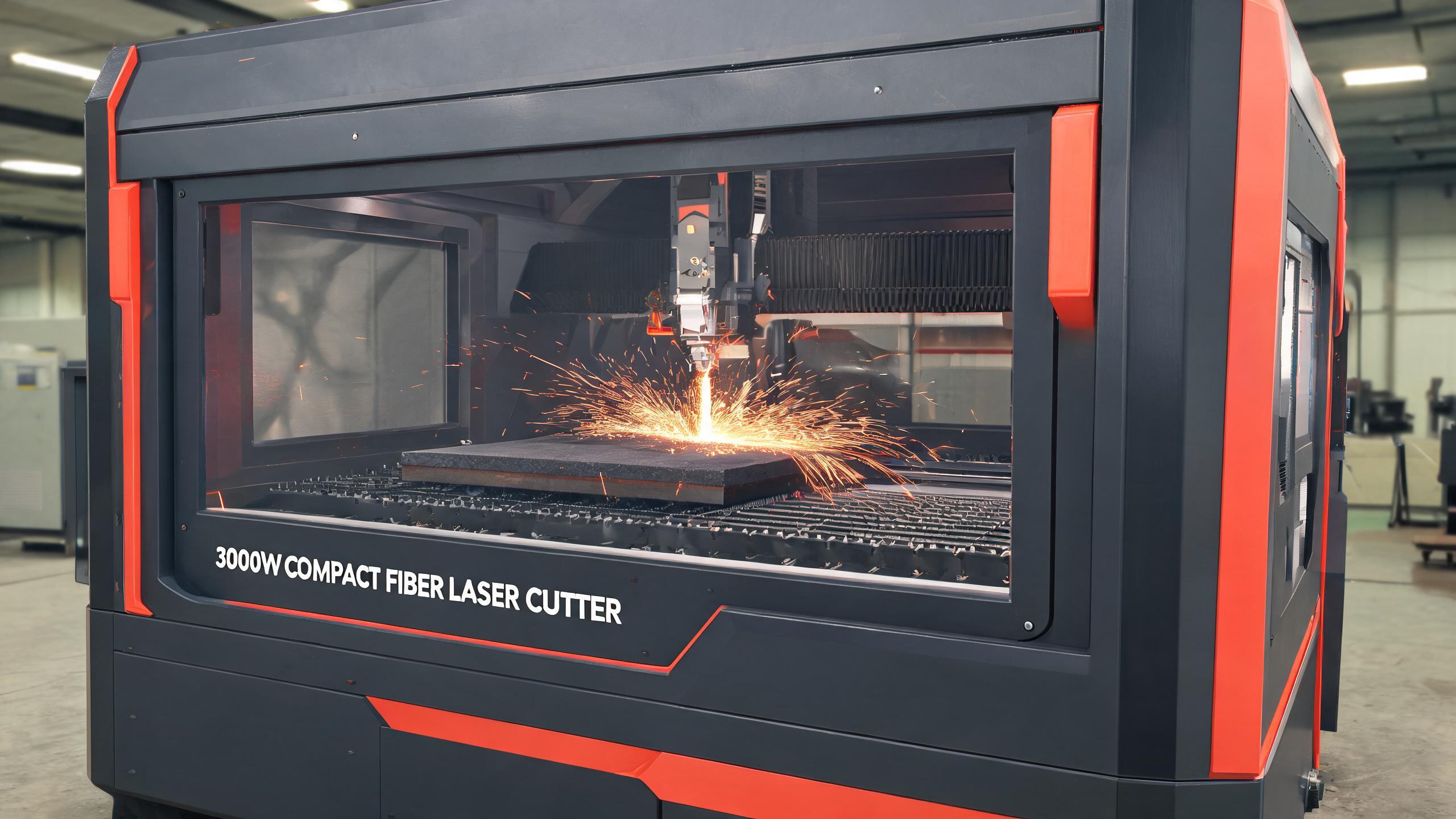
دليل عملي لاختيار طاقة الليزر المناسبة لقطع ألواح الفولاذ، مع مخطط كامل للطاقة مقابل السمك يغطي من 500 واط إلى 30000 واط، واختيار غاز الأكسجين مقابل النيتروجين، ومفاضلات السرعة والجودة للمصنعين…
لماذا يهم اختيار الطاقة لآلة قطع المعادن بالليزر لديك
اختيار طاقة الليزر الخاطئة لألواح الفولاذ لديك هو خطأ مكلف. القليل جدًا من الطاقة يعني عدم القدرة على قطع المادة—أو الحصول على حواف بطيئة ومغطاة بالخبث تتطلب الصنفرة. الكثير من الطاقة يعني أنك أنفقت أكثر من اللازم على آلة غير مستغلة بالكامل، مع تكاليف كهرباء وصيانة أعلى لسعة لا تحتاجها.
إن آلة قطع المعادن بالليزر يجب أن تتوافق مع نطاق سمك الألواح النموذجي لديك، ونوع المادة، وحجم الإنتاج. تقوم شركة Shandong Xinhong CNC Technology Co., Ltd. بتصنيع آلات قطع المعادن بالليزر الليفي من 500 واط إلى 30000 واط، مما يمنحنا خبرة مباشرة مع كل مستوى طاقة وسماكات ألواح الفولاذ التي يتعامل معها كل منها. يرشدك هذا الدليل عبر العلاقة بين الطاقة والسمك حتى تتمكن من اتخاذ قرار استثماري مستنير.
طاقة الليزر الليفي مقابل سمك لوح الفولاذ: المخطط الكامل
الجدول أدناه يربط كل مستوى طاقة من أجهزة Xinhong بأقصى سمك قطع عبر الفولاذ الكربوني، والفولاذ المقاوم للصدأ، والألومنيوم. هذه هي الحدود القصوى المقدرة للإنتاج—وليست حدودًا نظرية—بناءً على أداء القطع الفعلي مع غاز مساعد مناسب.
| قدرة الليزر | أقصى فولاذ كربوني | أقصى فولاذ مقاوم للصدأ | أقصى ألومنيوم | منطقة العمل |
|---|---|---|---|---|
| 500W | 3 مم | 2 مم | 1.5 مم | 1300×900 مم |
| 1000 واط | 12 مم | 8–10 مم | 5 مم | 3000×1500 / 4000×2000 مم |
| 1500 واط | 6 مم | 5 مم | 4 مم | 1300×2500 مم |
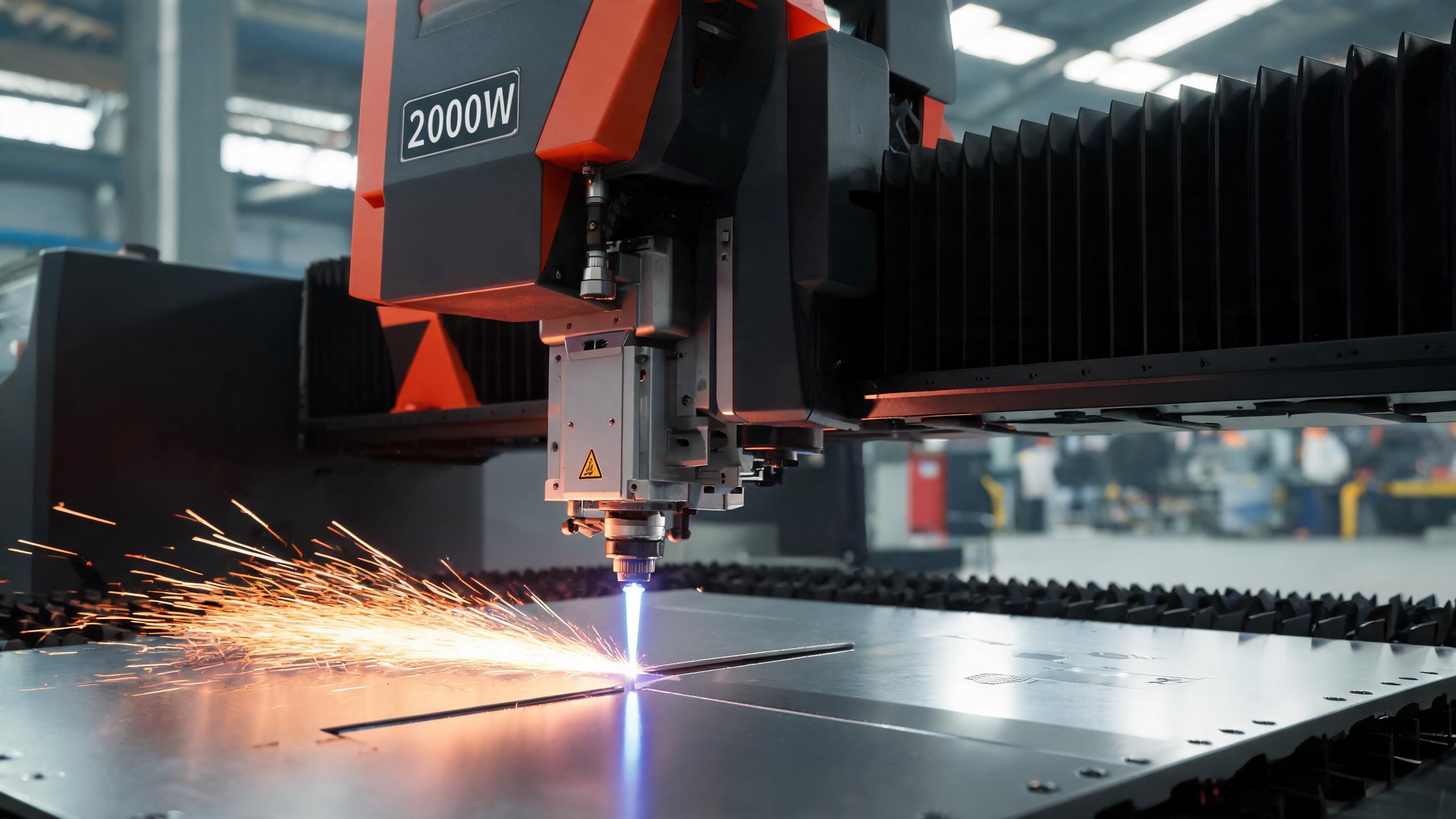
| 2000 واط | 8 مم | 5 مم | 4 مم | 1500×3000 مم |
| 3000 واط | 12 مم | 8 مم | 6 مم | 1500×3000 مم |
| 6000 واط | 20 مم | 12 مم | 10 مم | 2000×4000 مم |
| 12000 واط | 35 مم | 20 مم | 16 مم | 2000×6000 مم |
| 20000 واط | 50 مم | 30 مم | 20 مم | 2000×6000 مم |
| 30000 واط | 70 مم | 40 مم | 30 مم | 2000×6000 مم |
ملاحظة: يفترض الحد الأقصى للسمك سرعة قطع مثالية. تنخفض سرعة القطع الإنتاجية مع اقتراب السمك من الحد الأقصى. يتطلب الألومنيوم والفولاذ المقاوم للصدأ غاز النيتروجين المساعد للحصول على حواف خالية من الأكسدة.
كيف تقرأ هذا المخطط لتطبيقك
إذا كانت ورشتك تعالج بشكل أساسي صفائح فولاذ كربوني بسمك 1–3 مم، فإن آلة قطع المعادن بالليزر الليفي الاقتصادية بقدرة 500 واط تتعامل مع المهمة بأقل استثمار. بالنسبة للفولاذ الكربوني بسمك 3–8 مم—وهو النطاق الأكثر شيوعًا في تشكيل الصفائح المعدنية—فإن طراز 2000 واط أو طراز 3000 واط يوفر أفضل توازن بين سعة القطع وتكلفة التشغيل. بالنسبة للفولاذ الإنشائي الذي يزيد سمكه عن 20 مم، فإن 12000 واط والطرازات الأعلى تدخل في الاعتبار.
الأكسجين مقابل النيتروجين: اختيار الغاز المساعد المناسب
الغاز المساعد الذي تستخدمه لا يقل أهمية عن طاقة الليزر. يؤثر الاختيار بين الأكسجين والنيتروجين على سرعة القطع وجودة الحواف وتكلفة التشغيل.
| العامل | الأكسجين (O₂) | النيتروجين (N₂) |
|---|---|---|
| الأفضل لـ | الفولاذ الكربوني (الألواح السميكة) | الفولاذ المقاوم للصدأ، الألومنيوم |
| سرعة القطع | أسرع (التفاعل الطارد للحرارة يضيف حرارة) | أبطأ (غاز خامل، قص الذوبان فقط) |
| جودة الحافة | طبقة أكسيد على حافة القطع | لامعة، خالية من الأكسيد، جاهزة للحام |
| تكلفة الغاز | أقل (يتطلب نقاء أقل) | أعلى (يوصى بنقاء ≥99.9%) |
| التشطيب الثانوي | قد يتطلب إزالة الشحوم/إزالة القشور | لا شيء—الحواف جاهزة للحام |
| الضغط النموذجي | 0.5–1.0 ميجا باسكال | 1.0–2.5 ميجا باسكال (الألواح الأكثر سمكًا تحتاج ضغطًا أعلى) |
للقطع بالنيتروجين بكميات كبيرة، فكر في مولد نيتروجين PSA للتخلص من تكاليف الغاز المعبأ—فترة استرداد نموذجية تتراوح بين 6–12 شهرًا تجعل هذا استثمارًا ذكيًا للمنشآت التي تقطع الفولاذ المقاوم للصدأ بانتظام.
سرعة القطع مقابل جودة القطع: المفاضلة
الطاقة الأعلى لليزر لا تعني تلقائيًا قطعًا أسرع في جميع السماكات. العلاقة بين السرعة والجودة غير خطية:
- الصفائح الرقيقة (1–3 مم): حتى ليزر بقدرة 500 واط يمكنه القطع بسرعة 15–20 م/دقيقة. الزيادة إلى 3000 واط توفر عوائد سرعة متناقصة—ينتقل عنق الزجاجة إلى التسارع وكفاءة التعشيق.
- الألواح المتوسطة (4–12 مم): هنا تُحدث الطاقة فرقًا مرئيًا. آلة بقدرة 3000 واط تقطع الفولاذ الكربوني بسمك 8 مم أسرع بنحو 40–60% من آلة بقدرة 1500 واط.
- الألواح السميكة (20 مم فأكثر): السرعة محدودة بفيزياء إزالة الذوبان، وليس فقط بطاقة الليزر. عند الفولاذ الكربوني بسمك 30 مم فأكثر، حتى آلة بقدرة 12000 واط يجب أن تبطئ إلى 0.5–1.5 م/دقيقة للحفاظ على عمودية الحافة والتحكم في الخبث.
سيناريوهات واقعية لاختيار الطاقة
السيناريو 1: ورشة تشكيل الصفائح المعدنية (فولاذ كربوني 1–6 مم)
ورشة تقوم بقص الأقواس والعلب والألواح من الفولاذ الكربوني بسمك 1–6 مم تحصل على أفضل عائد استثمار من آلة قطع المعادن بالليزر الليفي بقدرة 2000 أو 3000 واط. يتعامل طراز 3000 واط مع المهام العرضية بسمك 8–12 مم مع الحفاظ على سرعة عالية على الصفائح الرقيقة. خيار طاولة التبادل يتيح التحميل المستمر للإنتاج.
السيناريو 2: مصنع الفولاذ المقاوم للصدأ (2–8 مم)
بالنسبة لمعدات الفولاذ المقاوم للصدأ المخصصة للصناعات الغذائية والألواح الزخرفية، فإن القطع بالنيتروجين إلزامي للحصول على حواف لامعة خالية من الأكسيد. آلة بقدرة 3000 واط مع مولد نيتروجين PSA توفر السرعة وجودة الحافة المطلوبة—مع خفض تكلفة الغاز إلى ما يقرب من الصفر بعد الاسترداد.
السيناريو 3: الفولاذ الإنشائي الثقيل (20–70 مم)
مصنعو السفن والآلات الثقيلة الذين يعالجون ألواح الفولاذ الكربوني السميكة يحتاجون إلى آلات بقدرة 12000 إلى 30000 واط. عند مستويات الطاقة هذه، يزيد غاز الأكسجين المساعد من سرعة القطع من خلال التسخين الطارد للحرارة. منطقة العمل 2000×6000 مم تستوعب ألواح المطاحن القياسية دون قطع مسبق.
عوامل رئيسية تتجاوز الطاقة عند اختيار آلة قطع المعادن بالليزر
- منطقة العمل: يجب أن تستوعب أحجام الصفائح/الألواح القياسية لديك. قطع لوح 2000×6000 مم على سرير 1500×3000 مم يتطلب قطعًا مسبقًا—مما يهدر المواد والوقت.
- دقة التموضع: تتراوح أجهزة Xinhong من ±0.02 مم (اقتصادي 500 واط) إلى ±0.05 مم (الطرازات عالية الطاقة). التصنيع الدقيق يتطلب ±0.03 مم أو أفضل.
- العلامة التجارية لمصدر الليزر: تقدم IPG (الولايات المتحدة الأمريكية) جودة شعاع ممتازة؛ وتقدم RAYCUS وGW قيمة ممتازة. توفر جميعها عمر خدمة يتراوح بين 35,000–50,000+ ساعة.
- نظام التحكم: PLC من Schneider Electric مع برنامج التعشيق CypCut يضمن تشغيلًا متوافقًا مع CE واستخدامًا فعالًا للمواد.
- طاولة التبادل: بالنسبة لبيئات الإنتاج، يمكن لطاولة التبادل ذات النقل التلقائي أن تزيد الإنتاجية بنسبة تصل إلى 40%.
للحصول على نظرة أعمق حول كيفية مقارنة القطع بالليزر الليفي بالقطع بالبلازما واللهب والتثقيب، يمكنك أيضًا مشاهدة مقاطع فيديو ذات صلة على يوتيوب بالبحث عن “مقارنة القطع بالليزر الليفي مقابل البلازما” لرؤية عروض توضيحية للقطع في الوقت الفعلي.
كل آلة قطع بالليزر الليفي في خط إنتاج Xinhong مبنية بمصادر ليزر IPG أو RAYCUS أو GW، وأنظمة تحكم Schneider Electric، وتصميم أمان متوافق مع CE. تغطي شهادة ISO 9001:2015 عملية التصنيع بأكملها. تواصل معنا مع أنواع المواد ونطاق السماكة وحجم الإنتاج—وسنوصي بمستوى الطاقة والتكوين الأمثل.
مقالات ذات صلة في هذه السلسلة
- آلة قطع الصفائح المعدنية بالليزر: دليل المشتري الشامل لعام 2026
- آلة القطع بالليزر الليفي CNC مقابل القطع التقليدي: أيهما يفوز؟
- قاطع الليزر الليفي CNC: الميزات الرئيسية لتشغيل الفولاذ الثقيل
- أفضل 5 آلات قطع بالليزر الليفي للفولاذ المقاوم للصدأ في عام 2026
سيتم إضافة روابط للمقالات ذات الصلة بمجرد نشر جميع المقالات في هذه السلسلة.