
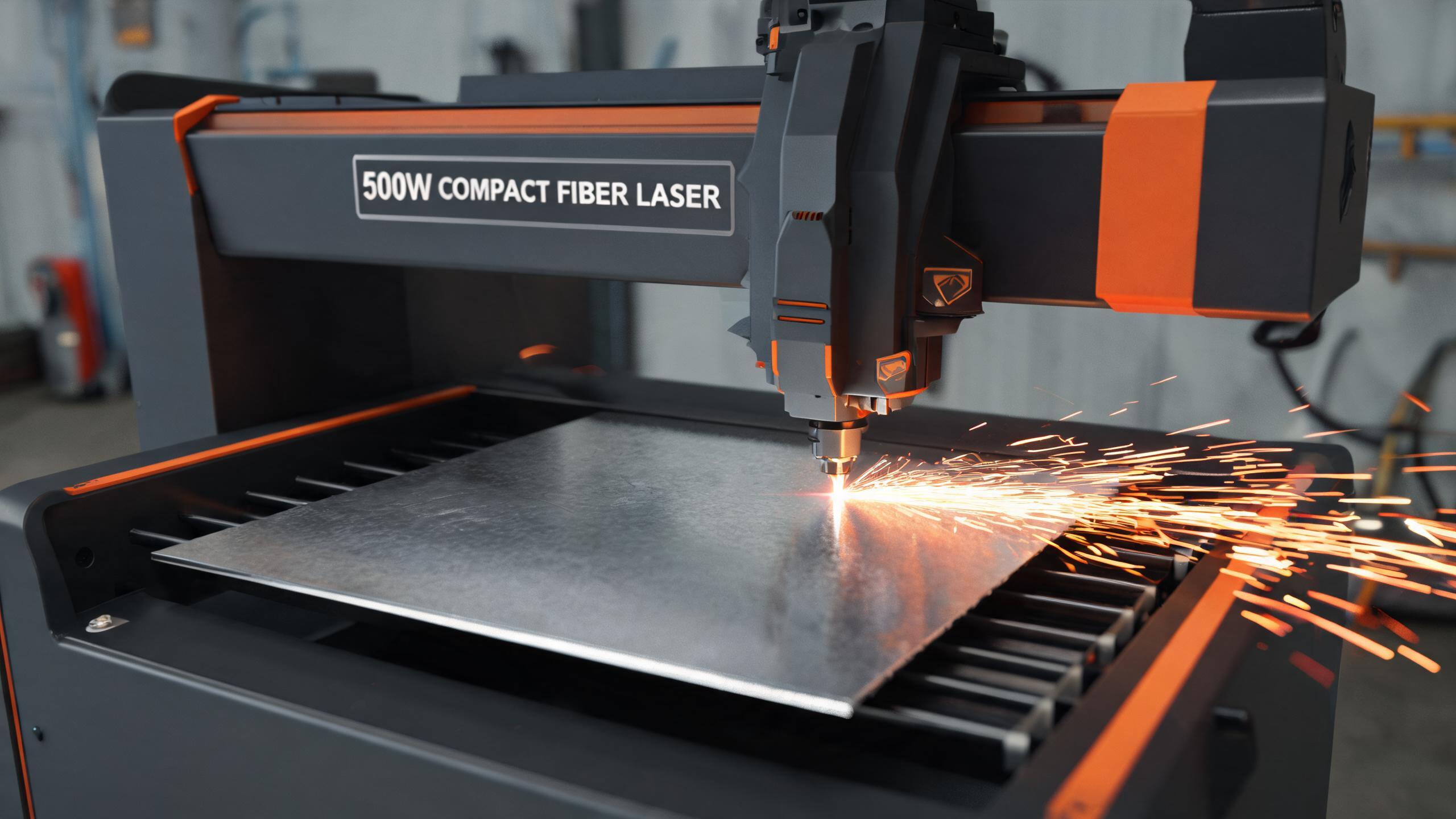
Gyakorlati összehasonlítás az eladó új és használt szálas lézervágó gépek között, kitérve a garanciára, a lézerforrás romlására, a CE-megfelelőségre, a támogatásra és a különböző műhelytípusokra vonatkozó költségvetési javaslatokra.
Új vagy használt szálas lézer eladó: Melyik a megfelelő az Ön műhelyébe?
A megfelelő szálas lézervágó kiválasztása meghatározhatja vagy tönkreteheti fémfeldolgozó vállalkozását. A vadonatúj és a használt gép közötti döntés többet jelent, mint a kezdeti költség – kihat a garanciális fedezetre, a műszaki támogatás elérhetőségére, a megfelelőségi dokumentációra és a hosszú távú üzemeltetési gazdaságosságra. Ez az útmutató bemutatja a kompromisszumokat, hogy tájékozott döntést hozhasson műhelye számára.
Az alapvető dilemma: alacsonyabb ár vs. alacsonyabb kockázat
Minden fémfeldolgozó ugyanazzal a feszültséggel szembesül: egy használt szálas lézervágó gép kezdetben kevesebbe kerül, de rejtett kockázatokat hordoz a lézerforrás állapotában, az alkatrészek kopásában és az értékesítés utáni támogatásban. Egy új gép többe kerül, de teljes garanciát, korszerű technológiát és teljes megfelelőségi dokumentációt kínál. Annak megértése, hogy vállalkozása hol helyezkedik el a kockázat-nyereség spektrumán, kulcsfontosságú a helyes döntés meghozatalához.
Új szálas lézer: mit kap a befektetésért
Egy új szálas lézervágó gép vásárlása olyan gyártótól, mint a Xinhong CNC, számos előnyt kínál, amelyek túlmutatnak magán a gépen:
- Teljes gyártói garancia: Az új gépek általában 12 hónapos garanciát tartalmaznak, amely a lézerforrásra, a vezérlőrendszerre és a mechanikai alkatrészekre terjed ki. Ez kiküszöböli a jelentős javítási költségek kockázatát az üzemeltetés első kritikus évében.
- A legújabb lézerforrás-technológia: A jelenlegi generációs RAYCUS, GW és IPG lézerforrások jobb sugárminőséget, magasabb fali hatásfokot és hosszabb élettartamot (35 000–50 000+ óra) kínálnak a régebbi egységekhez képest, amelyeknél már felhalmozódhatott a teljesítményromlás.
- CE megfelelőségi dokumentáció: Az új gépek teljes CE-tanúsítvánnyal, RoHS-megfelelőséggel és Gépekről szóló irányelv szerinti dokumentációval érkeznek – ez elengedhetetlen az európai vásárlók számára, és egyre inkább követelmény a globális OEM-ügyfeleknél.
- Schneider Electric vezérlőrendszerek: Az új gépek jelenlegi generációs PLC-vezérlőkkel (pl. Modicon M241) rendelkeznek Ethernet-kapcsolattal, kötegelt ütemezéssel és távoli diagnosztikai képességekkel.
- Telepítési és képzési támogatás: A gyártók üzembe helyezési útmutatást, kezelői képzést, üzemeltetési kézikönyveket és folyamatos távoli műszaki támogatást nyújtanak, amelyet a használt berendezéseket értékesítők ritkán tudnak felülmúlni.
- Egyedi konfiguráció: Ön határozza meg az asztal méretét, a lézerforrás márkáját, a burkolat típusát, a csereasztalt és a segédrendszereket – így a gép pontosan az Ön gyártási igényeihez igazítható.
Használt szálas lézer: lehetséges megtakarítások és valós kockázatok
Egy eladó használt szálas lézer jelentős kezdeti megtakarítást kínálhat – jellemzően 40–60%-kal alacsonyabb árat, mint egy új gép. A szűkös tőkével rendelkező műhelyek számára ez döntő lehet abban, hogy most szerezzék be a vágási képességet, vagy még egy évet várjanak. A kockázatok azonban jelentősek:
| Kockázati terület | Mi romolhat el | Pénzügyi hatás |
|---|---|---|
| Lézerforrás teljesítményromlása | A szálas lézerforrások a kumulált üzemórák során veszítenek kimenő teljesítményükből; egy használt egység a névleges teljesítmény 70–85%-át nyújthatja | Csökkent vágási sebesség és vastagsági kapacitás; esetleges csereköltség |
| Optikai alkatrészek kopása | A védőüvegek, kollimátorlencsék és fókuszáló lencsék károsodnak a fröcsköléstől és a szennyeződéstől | Csökkent vágási minőség; gyakori fogyóeszköz-csere |
| Lineáris vezetékek és hajtások kopása | A sínpontosság az évekig tartó nagy igénybevételű vágás során romlik, ami befolyásolja a pozicionálási pontosságot és az ismételhetőséget | Gyenge alkatrésztűrés; költséges síncsere vagy újraköszörülés |
| Elektromos rendszer öregedése | A Schneider Electric alkatrészek, vezetékek és csatlakozók öregszenek; a vezérlőkártyák kifutottak lehetnek | Nem tervezett állásidő; nehezen beszerezhető cserealkatrészek |
| Nincs garancia vagy támogatás | A használt berendezéseket jellemzően „állapotában” értékesítik, gyártói garancia vagy műszaki támogatás nélkül | Minden javítási költség a vevőt terheli; nincs távoli diagnosztika |
| Hiányzó megfelelőségi dokumentáció | A CE-tanúsítványok, RoHS-jelentések és biztonsági dokumentációk elveszhettek, vagy soha nem is léteztek | Nem üzemeltethető jogszerűen az EU létesítményeiben; biztosítási bonyodalmak |
Kulcsfontosságú felismerés: Egy 15 000+ üzemórás használt lézerforrás még képes sugarat előállítani, de vastag anyagon a vágási sebessége 20–30%-kal lassabb lehet, mint egy új megfelelőjéé. Egy évnyi gyártás alatt ez a sebességveszteség jelentős bevételkiesést jelent – gyakran meghaladva a kezdeti megtakarítást.
Új vs. használt: egymás melletti összehasonlítás
| Tényező | Új gép | Használt gép |
|---|---|---|
| Kezdeti költség | Nagyobb | 40–60%-kal alacsonyabb |
| Garanciális fedezet | Teljes gyártói garancia (jellemzően 12 hónap) | Általában nincs („állapotában”) |
| Lézerforrás állapota | Új, teljes névleges teljesítmény, maximális hátralévő élettartam | Teljesítményromlott, csökkent teljesítmény, rövidebb hátralévő élettartam |
| Megfelelőségi dokumentáció | Teljes CE/RoHS/Gépekről szóló irányelv szerinti dokumentáció | Gyakran hiányzik vagy hiányos |
| Műszaki támogatás | Távoli diagnosztika, képzés, alkatrészellátás | Nincs vagy korlátozott |
| Testreszabás | Állítsa be az asztal méretét, a lézerforrást, a burkolatot igényei szerint | Rögzített konfiguráció, testreszabás nélkül |
| Vezérlőrendszer | Jelenlegi generációs Schneider Electric PLC | Régebbi vezérlő, esetleg kifutott alkatrészek |
| Viszonteladási érték | Magasabb, a gyártó hírneve által alátámasztva | Alacsony, nehezen értékesíthető újra |
Melyik opció illik a költségvetéséhez?
Döntését a gyártási mennyiséghez, az anyagkövetelményekhez és a kockázattűrő képességhez kell igazítania:
- Induló és kis műhelyek: Ha a vágási mennyiség alacsony (napi 4 óra alatt), és az anyagok vékony lemezek (0,5–6 mm), egy új 500W gazdaságos modell vagy 1000W gép kínálja a legalacsonyabb teljes birtoklási költséget teljes garanciával és támogatással. Az új gépek belépőszintű ára gyakran versenyképes a közepes minőségű használt berendezésekével.
- Növekvő fémfeldolgozó műhelyek: Napi 4–8 órás gyártási mennyiséghez 6–12 mm-es szénacél esetén egy új 3000W gép vagy 3000W kompakt modell burkolattal biztosítja a vágási kapacitást és a CE-megfelelőséget, amely az európai és globális ügyfelek számára szükséges.
- Nehézipar tőkekorlátokkal: Ha 6000W+ vágási kapacitásra van szüksége, de költségvetési korlátokkal szembesül, egy használt nagy teljesítményű gép esetleg működhet – de csak akkor, ha ellenőrizni tudja a lézerforrás üzemóráit, elvégzi a vásárlás előtti vizsgálatot, és vállalja a magasabb karbantartási költségek kockázatát. Tekintse meg kísérő cikkünket a használt szálas lézer vásárlás előtti ellenőrzőlistájáról a részletes vizsgálati protokollért.
Beszerzési csatornák összehasonlítása
| Csatorna | Előnyök | Hátrányok |
|---|---|---|
| Közvetlenül a gyártótól (új) | Teljes garancia, testreszabás, gyári támogatás, legújabb technológia | Magasabb kezdeti költség |
| Hivatalos forgalmazó (új) | Helyi támogatás, finanszírozási lehetőségek, telepítési szolgáltatás | Felár a gyári közvetlen árhoz képest |
| Használt berendezés-kereskedő | Alacsonyabb ár, egyesek korlátozott garanciát kínálhatnak | Ismeretlen gépelőzmények, korlátozott támogatás, nincs testreszabás |
| Közvetlenül az előző tulajdonostól | Legalacsonyabb ár, közvetlen gépelőzmények | Nincs garancia, nincs támogatás, a vevő viseli az összes kockázatot |
| Online B2B piacterek | Széles választék, árösszehasonlítás | A minőség nagyon változó, az állapot távolról nehezen ellenőrizhető |
A használt berendezések vásárlása előtti részletes vizsgálati protokollért olvassa el kísérő útmutatónkat: Használt szálas lézervágó gép: Kockázatok, előnyök és vásárlás előtti ellenőrzőlista.
A vételáron túli teljes üzemeltetési költségek megértéséhez lásd Szálas lézervágó gép költsége: A teljes birtoklási költség bontása. Az árak teljesítménytartományok szerinti összehasonlításához olvassa el Szálas lézervágó gép ára: 2026-os árútmutató teljesítmény és márka szerint.
Emellett nézze meg kapcsolódó videóinkat a YouTube-on-keressen az „új vs. használt szálas lézervágó gép” kifejezésre, hogy valós összehasonlításokat és vásárlói tapasztalatokat bemutató videókat találjon, amelyek kiegészítik ezt az útmutatót.
Kapcsolódó cikkek ebben a sorozatban
- Szálas lézervágó gép ára: 2026-os árútmutató teljesítmény és márka szerint
- Használt szálas lézervágó gép: Kockázatok, előnyök és vásárlás előtti ellenőrzőlista
- Szálas lézervágó gép költsége: A teljes birtoklási költség bontása
- Szálas lézervágó gép ára: Belépő szintű és ipari modellek összehasonlítása