
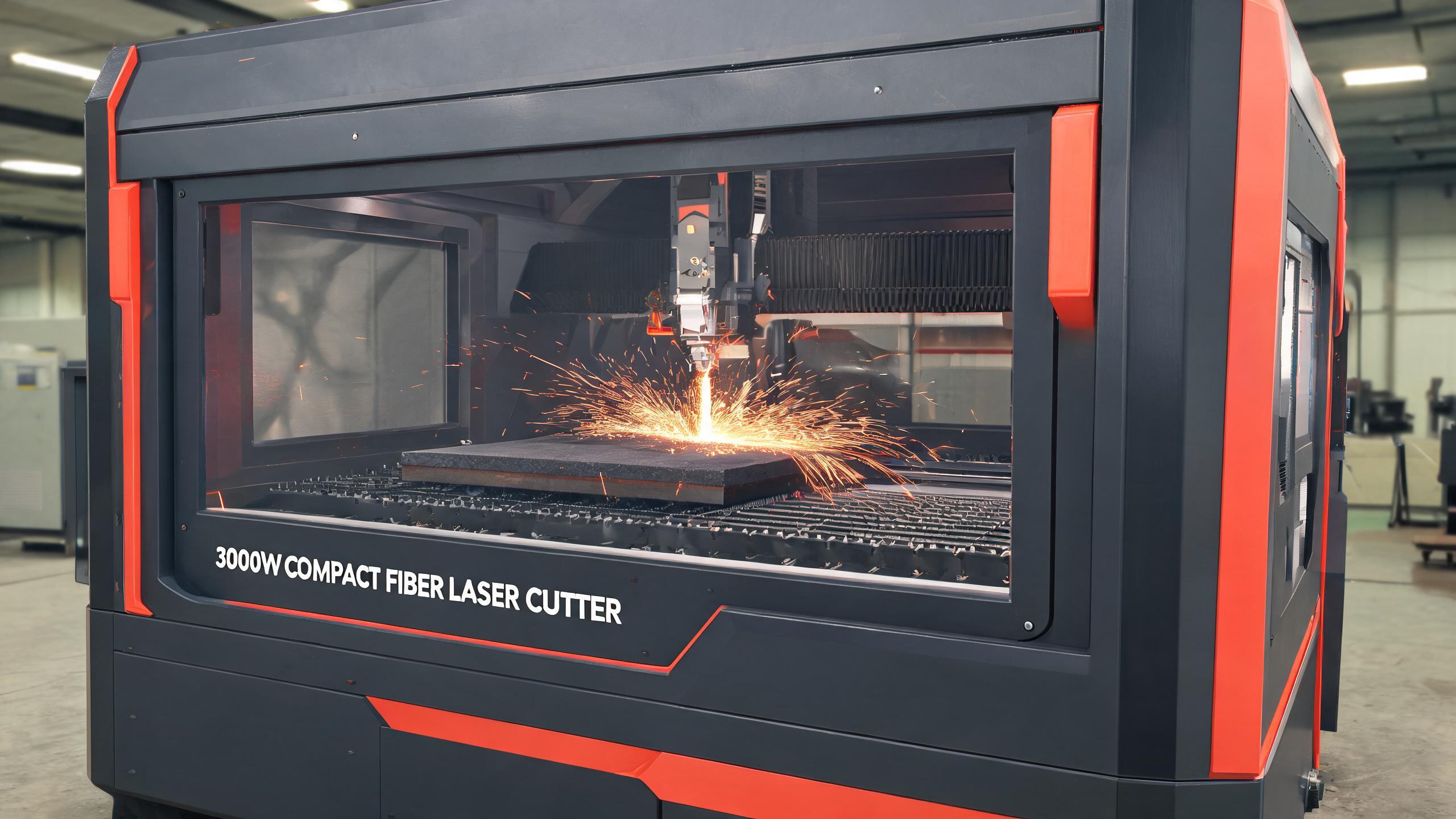
Um guia prático para escolher a potência de laser certa para corte de chapa de aço, com um gráfico completo de potência vs. espessura cobrindo 500W a 30000W, seleção de gás oxigénio vs. azoto e trade-offs de velocidade-qualidade para fabricantes…
Por que a escolha da potência é importante para a sua máquina de corte a laser de metal
Escolher a potência de laser errada para as suas chapas de aço é um erro caro. Potência insuficiente e não consegue cortar o material — ou obtém arestas lentas e cobertas de rebarba que exigem retificação. Potência excessiva e gastou demais numa máquina subutilizada, com custos mais altos de eletricidade e manutenção para uma capacidade de que não precisa.
Uma máquina de corte a laser de metal deve ser ajustada à sua gama típica de espessuras de chapa, ao tipo de material e ao volume de produção. A Shandong Xinhong CNC Technology Co., Ltd. fabrica máquinas de corte a laser de fibra de 500W a 30000W, o que nos dá experiência direta com cada nível de potência e as espessuras de chapa de aço que cada um suporta. Este guia explica a relação entre potência e espessura para que possa fazer um investimento informado.
Potência do laser de fibra vs. espessura da chapa de aço: o gráfico completo
A tabela abaixo mapeia cada nível de potência de laser Xinhong para a sua espessura máxima de corte em aço carbono, aço inoxidável e alumínio. Estes são máximos de produção — não limites teóricos — com base no desempenho real de corte com gás de assistência adequado.
| Potência do laser | Máx. Aço Carbono | Máx. Aço Inoxidável | Alumínio máx. | Área de Trabalho |
|---|---|---|---|---|
| 500W | 3 mm | 2 mm | 1,5 mm | 1300×900 mm |
| 1000 W | 12 mm | 8–10 mm | 5 mm | 3000×1500 / 4000×2000 mm |
| 1500 W | 6 mm | 5 mm | 4 mm | 1300×2500 mm |
| 2000 W | 8 mm | 5 mm | 4 mm | 1500×3000 mm |
| 3000 W | 12 mm | 8 mm | 6 mm | 1500×3000 mm |
| 6000W | 20 mm | 12 mm | 10 mm | 2000×4000 mm |
| 12000W | 35 mm | 20 mm | 16 mm | 2000×6000 mm |
| 20000 W | 50 mm | 30 mm | 20 mm | 2000×6000 mm |
| 30000W | 70 mm | 40 mm | 30 mm | 2000×6000 mm |
Nota: A espessura máxima pressupõe velocidade de corte ideal. A velocidade de corte de produção diminui à medida que a espessura se aproxima do máximo. O alumínio e o aço inoxidável requerem gás de assistência de azoto para arestas sem oxidação.
Como ler este gráfico para a sua aplicação
Se a sua oficina processa principalmente chapa de aço carbono de 1–3 mm, uma máquina de corte a laser de fibra económica de 500W resolve o trabalho com o menor investimento. Para aço carbono de 3–8 mm — a gama mais comum de fabricação de chapa metálica — um modelo de 2000W ou modelo de 3000W oferece o melhor equilíbrio entre capacidade de corte e custo operacional. Para aço estrutural acima de 20 mm, os 12000W e modelos superiores entram em cena.
Oxigénio vs. Azoto: Como escolher o gás de assistência certo
O gás de assistência que utiliza é tão importante quanto a potência do laser. A escolha entre oxigénio e azoto afeta a velocidade de corte, a qualidade da aresta e o custo operacional.
| Fator | Oxigênio (O₂) | Azoto (N₂) |
|---|---|---|
| Melhor para | Aço carbono (chapas grossas) | Aço inoxidável, alumínio |
| Velocidade de corte | Mais rápida (a reação exotérmica adiciona calor) | Mais lenta (gás inerte, apenas cisalhamento do fundido) |
| Qualidade da aresta | Camada de óxido na aresta de corte | Brilhante, sem oxidação, pronta para soldagem |
| Custo do gás | Mais baixo (pureza mais baixa exigida) | Mais alto (pureza ≥99,9% recomendada) |
| Acabamento secundário | Pode exigir desengorduramento/remoção de carepa | Nenhum — as arestas estão prontas para soldagem |
| Pressão típica | 0,5–1,0 MPa | 1,0–2,5 MPa (chapas mais grossas exigem mais) |
Para corte com nitrogênio em alto volume, considere um gerador de nitrogênio PSA para eliminar os custos de gás engarrafado — um período de retorno típico de 6 a 12 meses torna este um investimento inteligente para instalações que cortam aço inoxidável regularmente.
Velocidade de corte vs. qualidade de corte: o trade-off
Maior potência de laser não significa automaticamente corte mais rápido em todas as espessuras. A relação entre velocidade e qualidade é não linear:
- Chapa fina (1–3 mm): Mesmo um laser de 500W pode cortar a 15–20 m/min. Aumentar para 3000W oferece retornos de velocidade decrescentes — o gargalo desloca-se para a aceleração e a eficiência de aninhamento.
- Chapa média (4–12 mm): É aqui que a potência faz uma diferença visível. Uma máquina de 3000W corta aço carbono de 8 mm aproximadamente 40–60% mais rápido do que uma máquina de 1500W.
- Chapa grossa (20 mm+): A velocidade é limitada pela física da remoção do fundido, não apenas pela potência do laser. Em aço carbono de 30 mm+, mesmo uma máquina de 12000W tem de abrandar para 0,5–1,5 m/min para manter a perpendicularidade da aresta e controlar a rebarba.
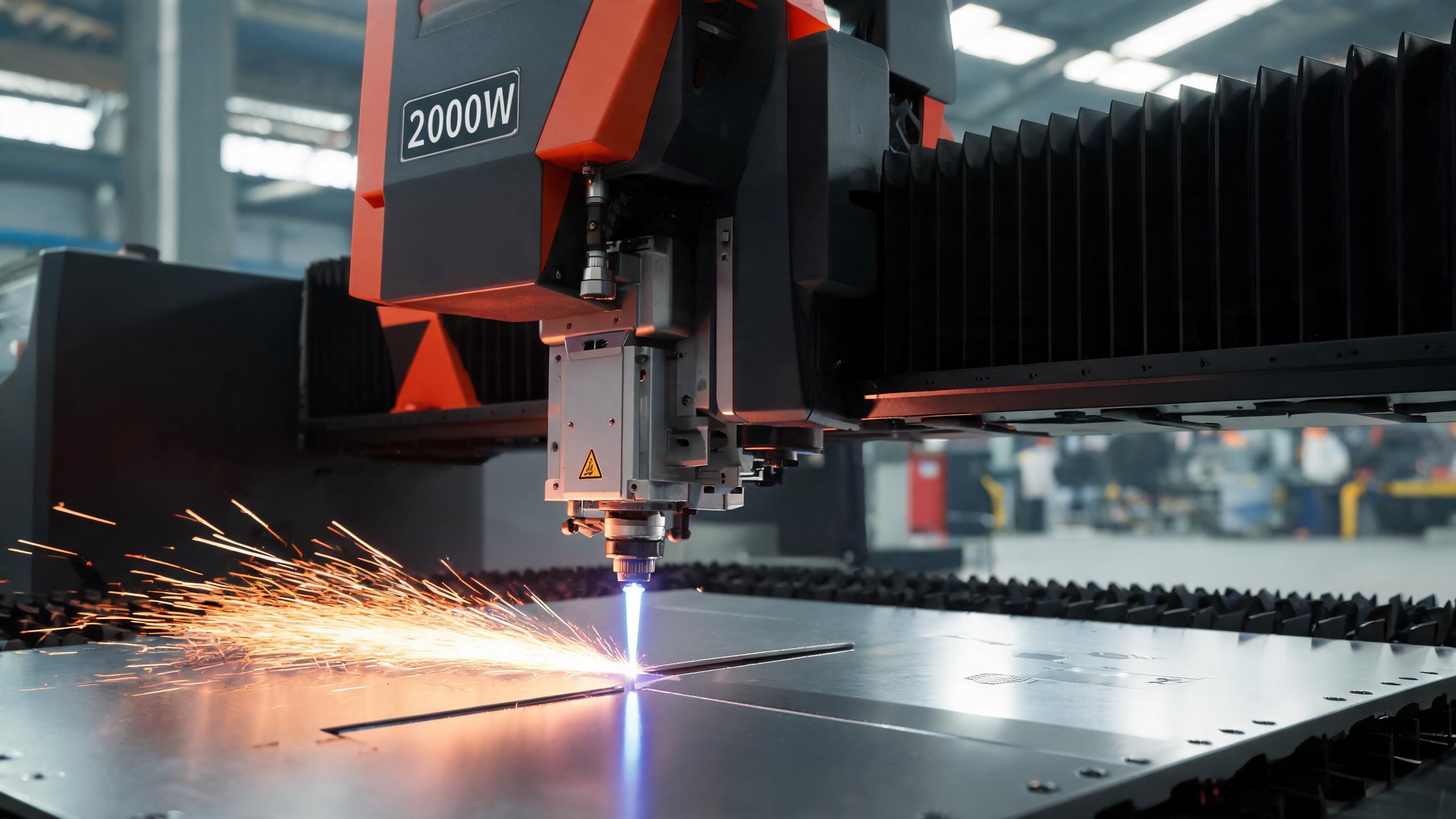
Cenários reais de seleção de potência
Cenário 1: Oficina de chapa metálica (aço carbono de 1–6 mm)
Uma oficina que corta suportes, invólucros e painéis em aço carbono de 1–6 mm obtém o melhor ROI com uma máquina de corte a laser de fibra de 2000W ou 3000W. O modelo de 3000W lida com trabalhos ocasionais de 8–12 mm, mantendo alta velocidade em chapa fina. A opção de mesa de troca permite carregamento contínuo de produção.
Cenário 2: Fabricante de aço inoxidável (2–8 mm)
Para equipamentos de grau alimentar em aço inoxidável e painéis decorativos, o corte com azoto é obrigatório para arestas brilhantes e sem oxidação. Uma máquina de 3000W com gerador de azoto PSA oferece a velocidade e a qualidade de aresta exigidas — enquanto reduz o custo do gás para quase zero após o retorno do investimento.
Cenário 3: Aço estrutural pesado (20–70 mm)
Fabricantes de construção naval e maquinaria pesada que processam chapa de aço carbono grossa precisam de máquinas de 12000W a 30000W. Nestes níveis de potência, o gás de assistência de oxigénio maximiza a velocidade de corte através do aquecimento exotérmico. A área de trabalho de 2000×6000 mm acomoda chapas padrão de laminagem sem corte prévio.
Fatores-chave além da potência ao escolher a sua máquina de corte a laser de metal
- Área de trabalho: Deve acomodar os seus tamanhos padrão de chapa. Cortar uma chapa de 2000×6000 mm numa mesa de 1500×3000 mm exige corte prévio — desperdiçando material e tempo.
- Precisão de posicionamento: As máquinas Xinhong variam de ±0,02 mm (económica de 500W) a ±0,05 mm (modelos de alta potência). A fabricação de precisão precisa de ±0,03 mm ou melhor.
- Marca da fonte de laser: A IPG (EUA) oferece qualidade de feixe premium; a RAYCUS e a GW oferecem excelente valor. Todas as três fornecem vida útil de 35 000–50 000+ horas.
- Sistema de controlo: O PLC Schneider Electric com software de aninhamento CypCut garante operação em conformidade CE e utilização eficiente de material.
- Mesa de troca: Para ambientes de produção, uma mesa de troca automática pode aumentar o rendimento em até 40%.
Para uma análise mais aprofundada de como o corte a laser de fibra se compara ao corte por plasma, chama e punção, também pode ver vídeos relacionados no YouTube pesquisando por “fiber laser vs plasma cutting comparison” para ver demonstrações de corte em tempo real.
Todas as máquinas de corte a laser de fibra da linha de produtos Xinhong são construídas com fontes de laser IPG, RAYCUS ou GW, sistemas de controlo Schneider Electric e design de segurança em conformidade CE. A certificação ISO 9001:2015 cobre todo o processo de fabrico. Contacte-nos com os seus tipos de material, gama de espessuras e volume de produção — recomendaremos o nível de potência e a configuração ideais.
Artigos relacionados desta série
- Máquina de corte a laser de chapa metálica: guia completo do comprador para 2026
- Máquina de corte a laser de fibra CNC vs. corte tradicional: qual ganha?
- Cortador a laser de fibra CNC: características-chave para fabricação de aço pesado
- As 5 melhores máquinas de corte a laser de fibra para aço inoxidável em 2026
Os links para artigos relacionados serão adicionados assim que todos os artigos desta série forem publicados.