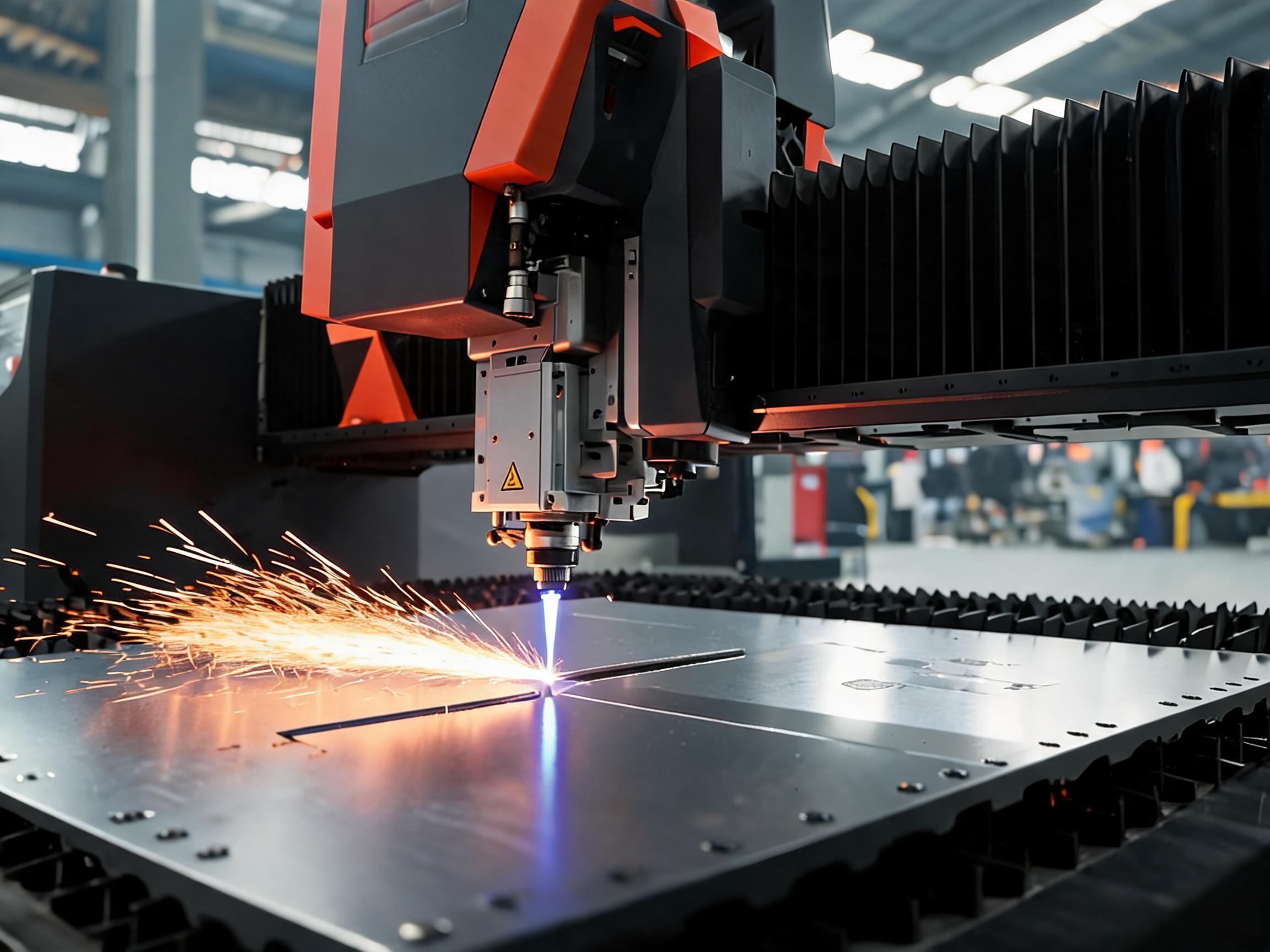
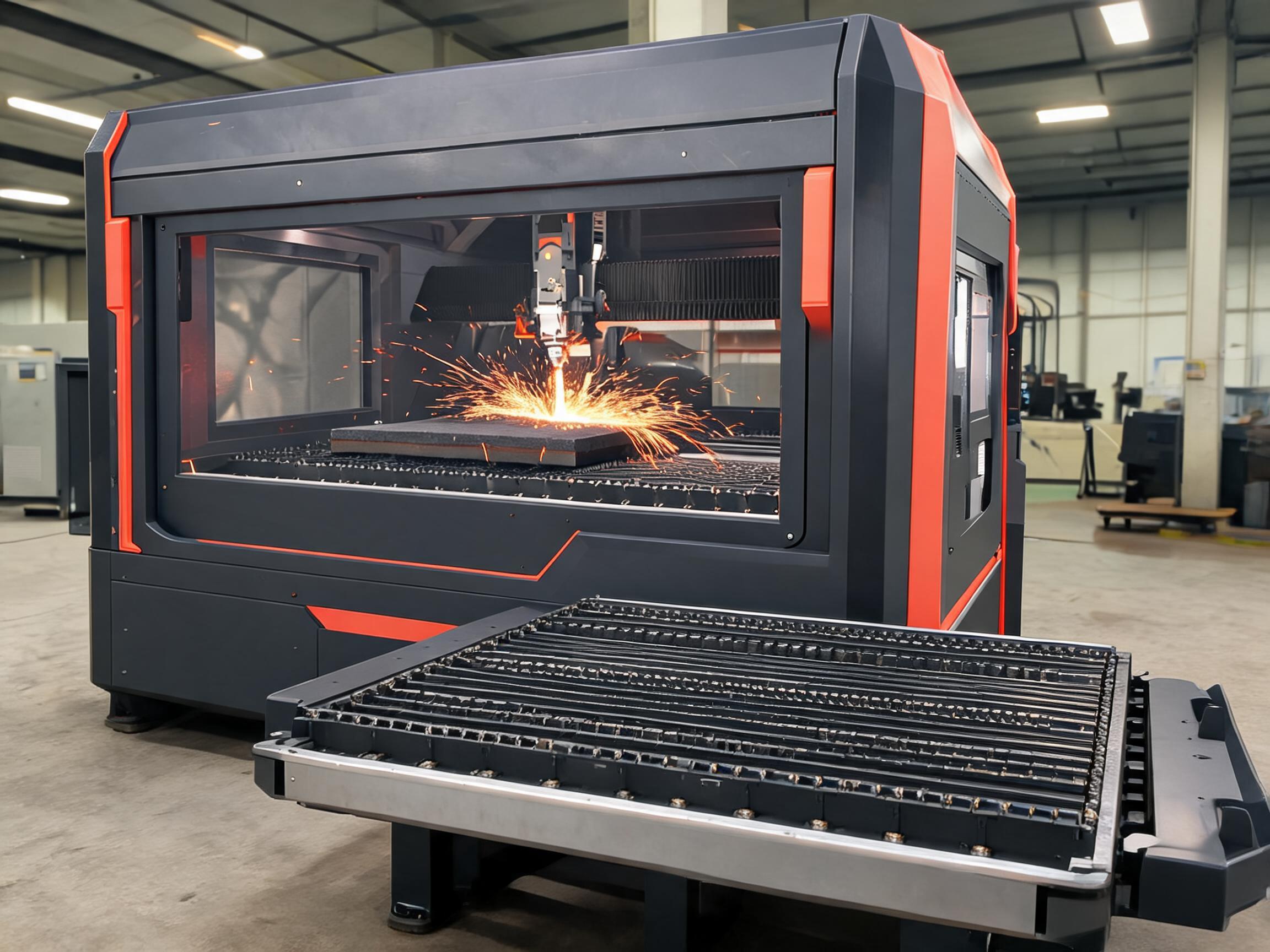
Wattage on a brochure is not a cutting guarantee
Fabricators buy CNC metal laser cutting machines to win thicker, tighter-tolerance work. The failure pattern is always the same: the machine is sized by headline wattage, then arrives and struggles on the shop's real thickest job - slow pierce on 15mm carbon, dross on 10mm stainless, or a bed too small for full sheets without pre-cutting. Repeatability matters as much as power: parts that nest correctly only if the XY table holds tolerance across a full shift.
The failure mode buyers meet first: a quote built on maximum wattage and minimum price - no written thickness table, no repeatability figure, and no sample cut on the plate gauges that actually pay for the machine.
How the Xinhong CNC cutting line works
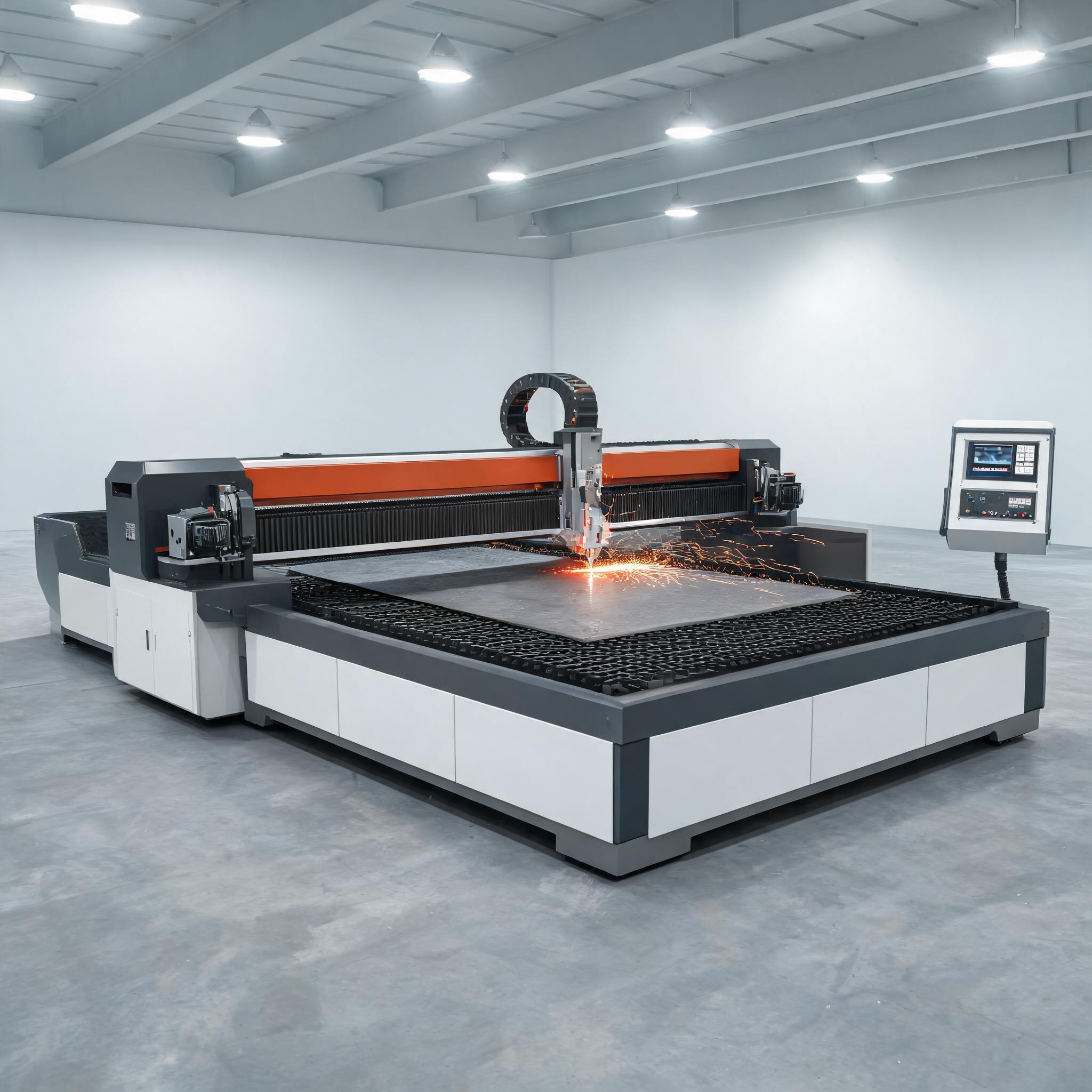
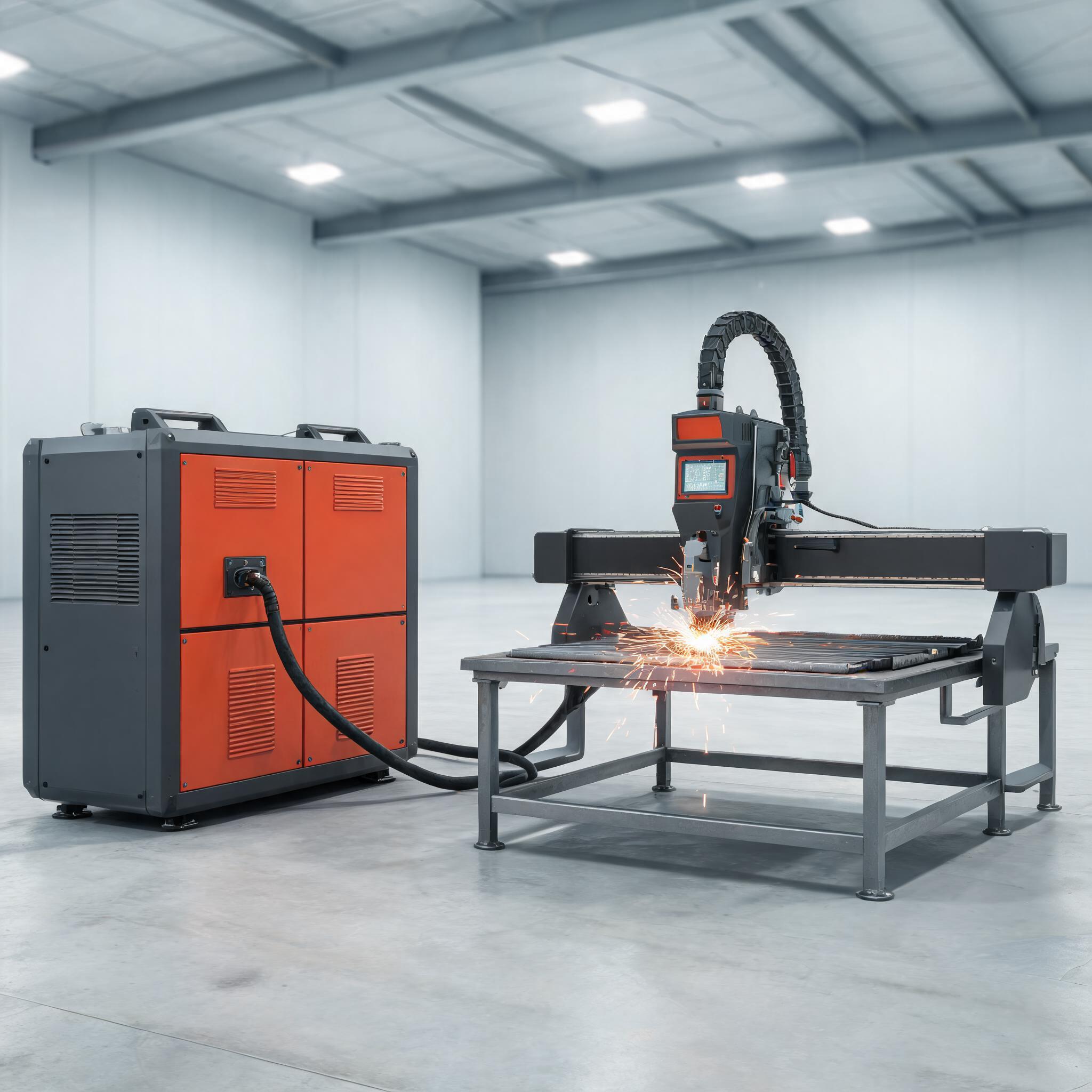
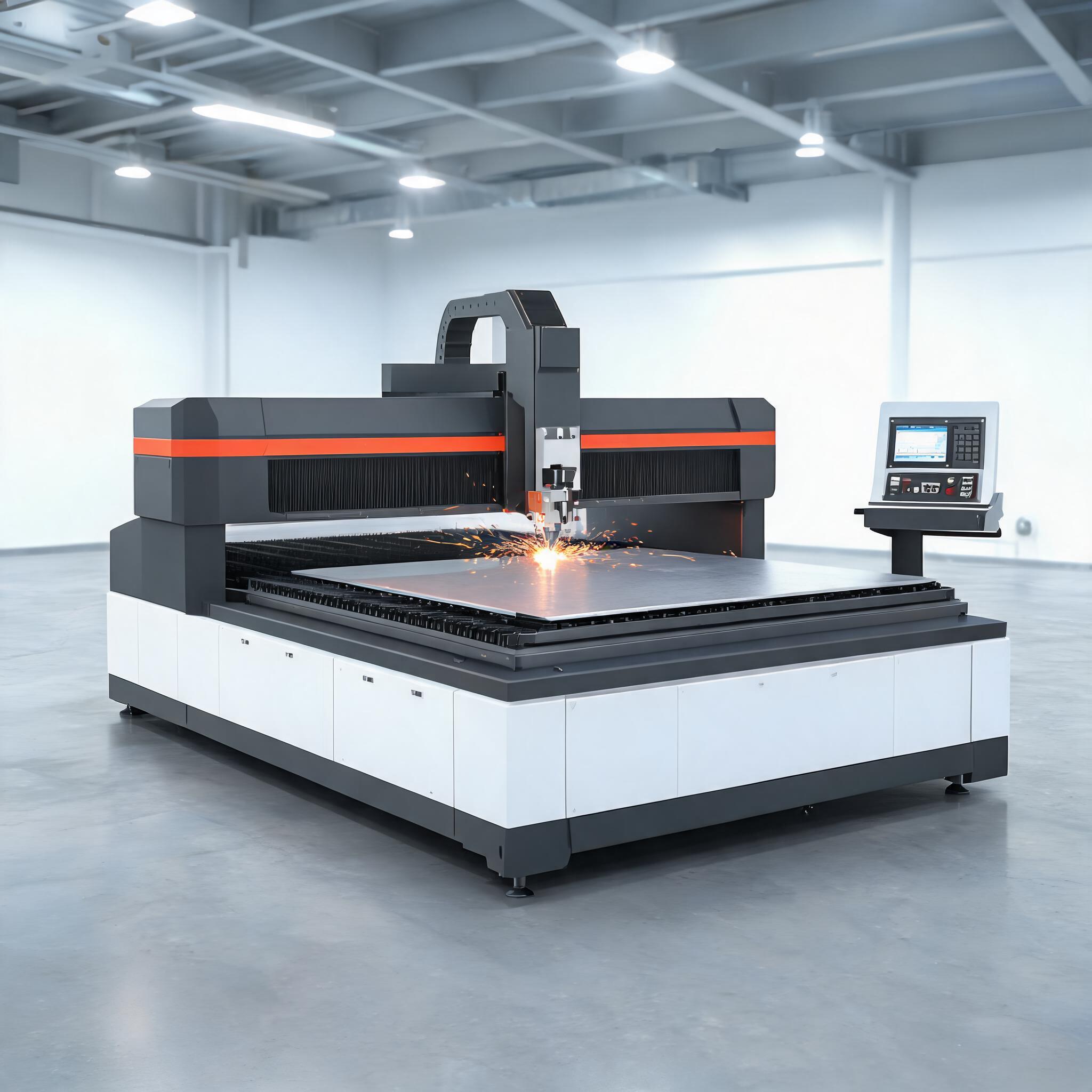
Power is matched to gauge with written cutting tables: the 3000W class covers carbon steel to about 12mm and stainless to 6mm on a compact footprint; the 6000W machine cuts carbon steel to 20mm and stainless to 14mm on a 2000x4000mm bed with plus/minus 0.05mm repeatability and a servo-driven XY table; and the 15000W class with exchange table serves service centers on heavy plate beyond 20mm. Every model runs an IPG or RAYCUS source with Schneider CNC components, and high-volume shops add the exchange-table platform so loading never stops the beam.
| Buyer check | What to verify before ordering |
|---|
| Thickness table | Written cut speeds for YOUR gauges - carbon, stainless and aluminum - not one headline number |
| Repeatability | Documented plus/minus figure on the full bed, not just the center |
| Bed and loading | Full-sheet bed size, or exchange table if loading breaks your cycle time |
| Sample cut | Parts cut on your material list before the order, included with the quotation |
Buyer value: the machine is sized by the job that pays for it - your thickest production gauge - with a written thickness table and repeatability figure in the quotation, so first-article approval is a formality instead of a negotiation.