
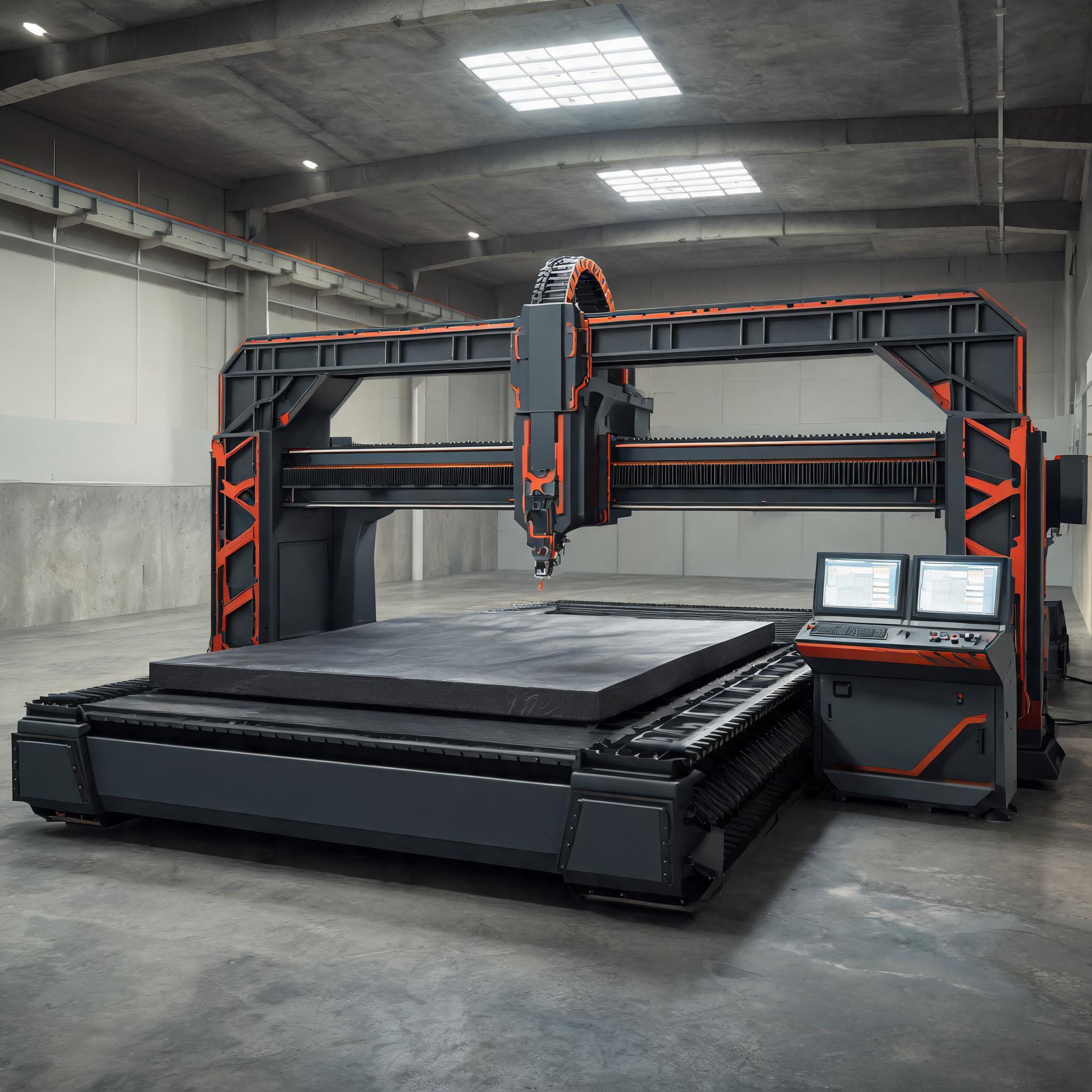
A practical guide for fabricators choosing a fiber laser power class for 20mm and 50mm carbon steel. We compare the published thickness limits of 2000W, 20000W and 30000W machines, explain what changes as plate gets thicker, and show how to match power class to workload.
Carbon steel thickness is where buyers make the expensive mistake: buying too little power and slowing production, or paying for capacity they will never use. This guide sets out the published cutting limits of three fiber laser classes, what actually changes between 8mm and 70mm plate, and where 20mm and 50mm workloads sit.
- Published limits: 2000W cuts carbon steel up to 8mm, 20000W up to 50mm, 30000W up to 70mm.
- 20mm carbon steel sits between the 8mm limit of 2000W and the 50mm limit of 20000W, so it is an intermediate requirement rather than a clear-cut class.
- Thicker plate pulls in higher assist gas pressure, a larger bed, and different edge-quality expectations — not just more laser power.
- The only reliable way to confirm a 20mm or 50mm process is the supplier's own cutting chart for that material and thickness.
Published thickness limits by power class
The numbers below are the published maximum thickness ratings of three machines. Treat them as the outer limit of each class, not as the everyday production sweet spot.
| Machine | Carbon steel (max) | Stainless steel (max) | Aluminum (max) | Bed size | Accuracy |
|---|---|---|---|---|---|
| 2000W fiber laser | 8mm | 5mm | 4mm | 1500 × 3000mm | ±0.03mm |
| 20000W fiber laser | 50mm | 30mm | 25mm | 2000 × 6000mm | ±0.05mm |
| 30000W fiber laser | 70mm | 40mm | 30mm | 2000 × 6000mm | ±0.05mm |
The pattern is straightforward: as carbon steel capacity rises from 8mm to 50mm to 70mm, so does the rated cutting envelope for stainless and aluminum. A machine sized for thick carbon steel is generally the same platform you would use for heavy stainless plate.
What changes between 8mm and 70mm plate
Buyers often compare machines by wattage alone. In practice, moving from thin plate to 50mm or 70mm carbon steel changes several things at once.
Assist gas pressure
Thick-section cutting depends on a strong, stable gas stream to eject molten material from a deep kerf. The 30000W machine is specified with 30 bar high-pressure assist gas. That is a different gas supply requirement from a light-gauge machine, and it affects how you plan your gas installation, regulator specification and consumable cost per part.
Bed size and part handling
The 2000W platform is listed at 1500 × 3000mm. Both the 20000W and 30000W machines are listed at 2000 × 6000mm. Thick plate is usually structural — base frames, gussets, heavy brackets — so the larger format is not incidental. Check that the bed matches your standard plate sizes before comparing power at all; a 6m bed that does not fit your building is not an upgrade.
Edge quality and tolerance expectations
The stated accuracy differs across the classes: ±0.03mm on the 2000W machine, ±0.05mm on the 20000W and 30000W machines. Positional accuracy is only part of the story. On thick carbon steel the cut face develops a different character — expect to discuss taper, dross and roughness at the full thickness, because these are the properties that decide whether a part is weld-ready or needs secondary finishing. The supplier's cut samples for the specific thickness are the evidence to ask for.
Machine rigidity and structure
A high-power head and a fast-moving gantry on thick plate put more load into the frame. Machines built for 50mm and 70mm carbon steel use a heavier structure and a larger bed to keep the motion stable. This is a qualitative difference you can see in the build, but it is not something to judge from a specification sheet alone — ask for the mechanical configuration and, where possible, a reference for comparable thickness work.
Choosing a power class for 20mm carbon steel
20mm is above the 8mm carbon steel limit of the 2000W machine and well below the 50mm limit of the 20000W machine. That places it in an intermediate range. A 2000W machine cannot be expected to cover it based on its published carbon steel limit. Between the larger classes, the right answer depends on how the part is used.
For a fabricator running 20mm plate regularly, ask the supplier three things:
- A cutting chart for 20mm carbon steel on the candidate machine, with the assist gas and cutting speed used.
- A physical cut sample at 20mm in the steel grade you actually buy, so you can judge the edge for your welding or machining step.
- The production mix — if 20mm is the heaviest job and most work is 6–12mm, a machine chosen for 50mm capability carries spare headroom but also a bigger footprint and gas system than thin work requires.
If 20mm is a routine part of the workload and the parts must be weld-ready off the table, that discussion should happen with the cutting chart in hand, not after delivery.
Choosing a power class for 50mm carbon steel
50mm is the published carbon steel ceiling of the 20000W fiber laser. Running a machine at its rated maximum is a different proposition from running it mid-range, so confirm how the supplier defines that 50mm figure — as a maximum demonstrated thickness or as a routine production thickness — and at what edge quality.
The 30000W machine extends the carbon steel limit to 70mm and brings 30 bar assist gas. For a shop whose parts top out at 50mm, the choice is between operating the 20000W platform at its limit or taking headroom on the 30000W platform. Headroom is worth paying for only if you expect to move thicker, or if cutting speed and edge quality at 50mm matter enough to justify the larger class. Ask for the same cut sample and cutting chart for both.
What to put in the inquiry
A supplier can answer a power-class question properly only with the material and the job in front of them. Include:
- Material and grade (for example, carbon steel) and the thickness range you cut, not just the maximum.
- Typical and heaviest part sizes, so bed format can be checked against your plate.
- Edge requirement: weld-ready, paint-ready, or requiring secondary finishing.
- Your available assist gas supply and pressure.
- Whether you need a cut sample before committing.
With those inputs, the thickness question becomes a specific answer rather than a comparison of headline wattages.
FAQ
Can a 2000W fiber laser cut 20mm carbon steel?
The published carbon steel limit for the 2000W machine is 8mm. 20mm is outside that limit, so it should not be planned on this class. Confirm the actual limit with the supplier's cutting chart for your material.
Is 20000W enough for 50mm carbon steel?
Yes, 50mm is the published carbon steel maximum for the 20000W machine. Because it is the rated ceiling, ask for a cut sample and the cutting chart to see the edge quality you can expect at that thickness.
Why does thick plate need higher assist gas pressure?
Deeper cuts need a stronger gas stream to clear molten material from the kerf. The 30000W machine is specified with 30 bar high-pressure assist gas, which is a supply requirement to plan for.
Does higher power mean better accuracy?
Not automatically. The stated accuracy is ±0.03mm on the 2000W machine and ±0.05mm on the 20000W and 30000W machines. Accuracy and thick-plate edge quality are separate questions — judge the second from cut samples.
Need a thickness answer for your own plate?
Send us the material grade, thickness range, part sizes and edge requirement. We will match the job to a power class and confirm the capability against the cutting chart for that material.