
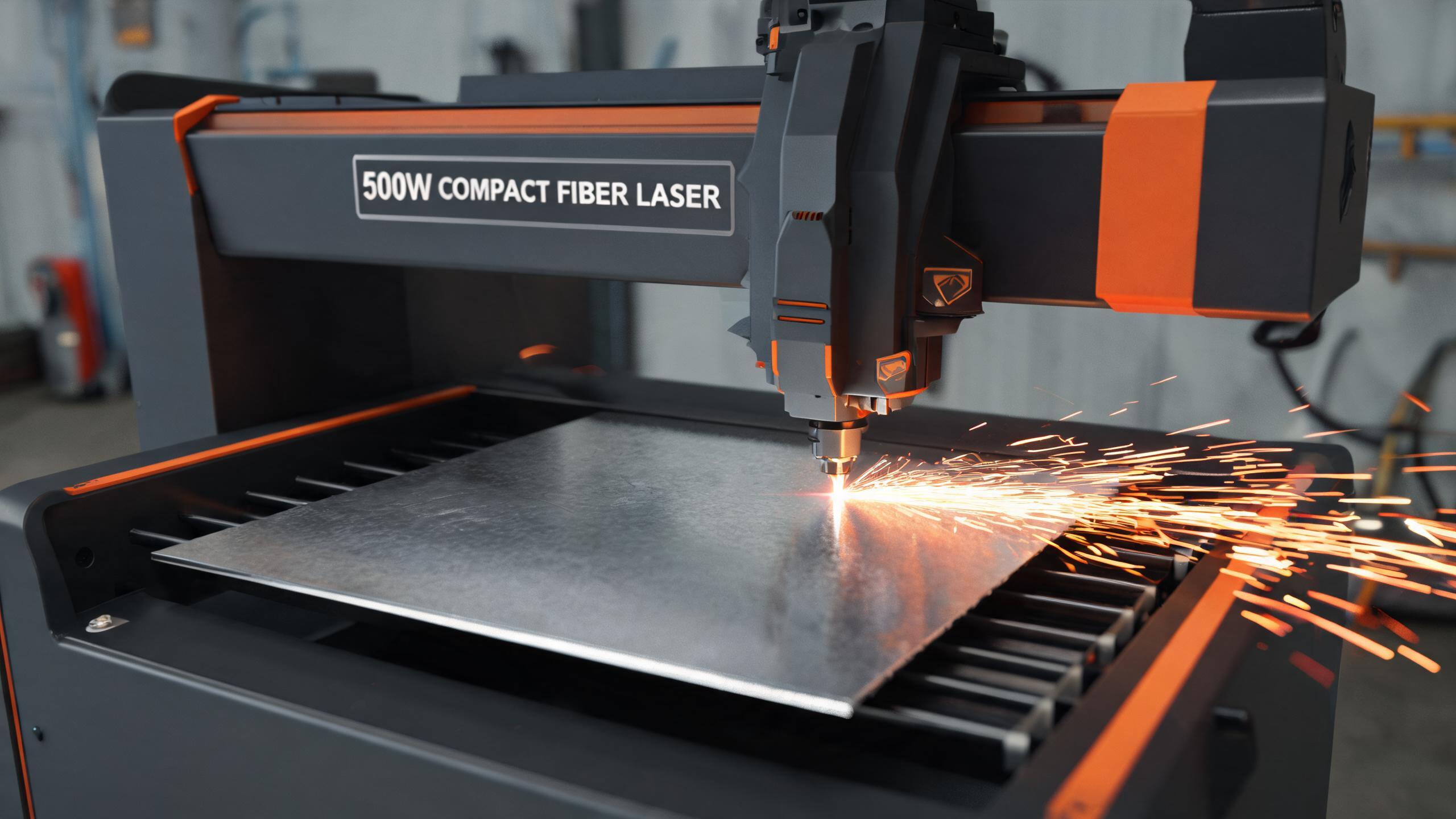
Isang praktikal na paghahambing ng bago vs. gamit na fiber laser cutting machine para sa pagbebenta, na sumasaklaw sa warranty, pagkasira ng laser source, CE compliance, suporta, at mga rekomendasyon sa budget para sa iba't ibang uri ng workshop.
Bago vs. Used Fiber Laser para sa Pagbebenta: Alin ang Tama para sa Inyong Workshop?
Ang paghahanap ng tamang fiber laser para sa pagbebenta ay maaaring magpasya o makasira sa iyong negosyo sa fabrication. Ang desisyon sa pagitan ng isang bagong makina at isang gamit na makina ay higit pa sa paunang gastos—naaapektuhan nito ang saklaw ng warranty, pagkakaroon ng teknikal na suporta, dokumentasyon ng pagsunod, at pangmatagalang ekonomiya ng operasyon. Ang gabay na ito ay naglalakad sa mga trade-off upang makagawa ka ng matalinong desisyon para sa iyong workshop.
Ang Pangunahing Dilemma: Mas Mababang Presyo kumpara sa Mas Mababang Panganib
Bawat fabricator ay humaharap sa parehong tensyon: ang isang gamit na fiber laser cutting machine ay mas mababa ang paunang gastos, ngunit may mga nakatagong panganib sa kondisyon ng laser source, pagkasira ng mga bahagi, at after-sales support. Ang isang bagong makina ay mas mahal ngunit may kasamang buong warranty, kasalukuyang teknolohiya, at kumpletong dokumentasyon ng pagsunod. Ang pag-unawa kung saan ang iyong negosyo ay nasa risk-reward spectrum ay ang susi sa paggawa ng tamang desisyon.
Bagong Fiber Laser: Ano ang Makukuha Mo sa Iyong Investment
Ang pagbili ng bagong fiber laser cutting machine mula sa isang manufacturer tulad ng Xinhong CNC ay naghahatid ng ilang mga bentahe na higit pa sa makina mismo:
- Buong manufacturer warranty: Ang mga bagong makina ay karaniwang may kasamang 12-month warranty na sumasaklaw sa laser source, control system, at mechanical components. Tinatanggal nito ang panganib ng malalaking gastos sa pagkumpuni sa unang taon ng operasyon.
- Pinakabagong teknolohiya ng laser source: Ang kasalukuyang henerasyon ng RAYCUS, GW, at IPG laser sources ay nag-aalok ng pinabuting beam quality, mas mataas na wall-plug efficiency, at mas mahabang service life (35,000–50,000+ oras) kumpara sa mga lumang unit na maaaring may naipon na pagkasira.
- Dokumentasyon ng pagsunod sa CE: Ang mga bagong makina ay may kasamang buong CE certification, RoHS compliance, at Machinery Directive documentation—mahalaga para sa mga European buyer at lalong kinakailangan ng mga global OEM customer.
- Schneider Electric control systems: Ang mga bagong build ay may kasamang kasalukuyang henerasyon ng PLC controllers (hal., Modicon M241) na may Ethernet connectivity, batch scheduling, at remote diagnostic capabilities.
- Suporta sa pag-install at pagsasanay: Ang mga manufacturer ay nagbibigay ng commissioning guidance, operator training, operation manuals, at patuloy na remote technical support na bihirang katumbas ng mga nagbebenta ng gamit na equipment.
- Custom configuration: Ikaw ang tumutukoy sa bed size, laser source brand, enclosure type, exchange table, at auxiliary systems—na eksaktong tumutugma sa makina sa iyong mga pangangailangan sa produksyon.
Gamit na Fiber Laser: Potensyal na Pag-iimpok at Tunay na mga Panganib
Ang isang gamit na fiber laser para sa pagbebenta ay maaaring mag-alok ng malaking paunang pag-iimpok—karaniwang 40–60% na mas mababa kaysa sa presyo ng bagong makina. Para sa mga workshop na may mahigpit na capital constraints, maaari itong maging pagkakaiba sa pagitan ng pagkakaroon ng cutting capability ngayon o paghihintay ng isa pang taon. Gayunpaman, malaki ang mga panganib:
| Lugar ng Panganib | Ano ang Maaaring Magkamali | Epekto sa Pananalapi |
|---|---|---|
| Pagkasira ng laser source | Ang fiber laser sources ay nawawalan ng output power sa paglipas ng pinagsama-samang oras ng operasyon; ang isang gamit na unit ay maaaring maghatid ng 70–85% ng rated power | Nabawasang cutting speed at kapasidad ng kapal; posibleng gastos sa pagpapalit |
| Pagkasira ng optical component | Ang protective lenses, collimating lenses, at focusing lenses ay nag-iipon ng pinsala mula sa spatter at contamination | Nabawasang cut quality; madalas na pagpapalit ng consumable |
| Pagkasira ng linear guide at drive | Ang precision ng rail ay bumababa sa paglipas ng mga taon ng mabigat na pagputol, na nakakaapekto sa positioning accuracy at repeatability | Mahinang part tolerance; magastos na pagpapalit o paggiling muli ng rail |
| Pagtanda ng electrical system | Ang Schneider Electric components, wiring, at connectors ay tumatanda; ang control boards ay maaaring hindi na ipagpatuloy | Hindi inaasahang downtime; mahirap hanapin na replacement parts |
| Walang warranty o suporta | Ang gamit na equipment ay karaniwang ibinebenta “as-is” nang walang manufacturer warranty o technical support | Lahat ng gastos sa pagkumpuni ay nasa buyer; walang remote diagnostics |
| Kulang na dokumentasyon ng pagsunod | Ang CE certificates, RoHS reports, at safety documentation ay maaaring nawala o hindi kailanman umiral | Hindi maaaring legal na patakbuhin sa mga pasilidad ng EU; mga komplikasyon sa insurance |
Pangunahing pananaw: Ang isang gamit na laser source na may 15,000+ oras ng operasyon ay maaari pa ring gumawa ng beam, ngunit ang cutting speed nito sa makapal na materyal ay maaaring 20–30% na mas mabagal kaysa sa bagong katumbas. Sa loob ng isang taon ng produksyon, ang pagkawala ng bilis na iyon ay isinasalin sa malaking nawalang kita—kadalasang lumalampas sa paunang pag-iimpok.
Bago kumpara sa Gamit: Magkatabi na Paghahambing
| Factor | Bagong Makina | Gamit na Makina |
|---|---|---|
| Paunang gastos | Mas mataas | 40–60% mas mababa |
| Saklaw ng warranty | Buong manufacturer warranty (karaniwang 12 buwan) | Karaniwang wala (“as-is”) |
| Kondisyon ng laser source | Bago, buong rated power, pinakamataas na service life sa hinaharap | May pagkasira, nabawasang power, mas maikling natitirang buhay |
| Dokumentasyon ng pagsunod | Kumpletong CE/RoHS/Machinery Directive docs | Madalas nawawala o hindi kumpleto |
| Teknikal na suporta | Remote diagnostics, pagsasanay, supply ng spare parts | Wala o limitado |
| Customization | I-configure ang bed size, laser source, enclosure ayon sa iyong mga pangangailangan | Fixed configuration, walang customization |
| Control system | Kasalukuyang henerasyon ng Schneider Electric PLC | Mas lumang controller, posibleng hindi na ipagpatuloy na parts |
| Halaga ng muling pagbebenta | Mas mataas, sinusuportahan ng reputasyon ng manufacturer | Mababa, mahirap ibenta muli |
Aling Opsyon ang Akma sa Iyong Budget?
Ang iyong desisyon ay dapat na nakaayon sa iyong production volume, mga kinakailangan sa materyal, at risk tolerance:
- Mga start-up at maliliit na workshop: Kung mababa ang iyong cutting volume (mas mababa sa 4 na oras/araw) at ang mga materyales ay manipis na sheet (0.5–6mm), isang bagong 500W economy model o 1000W machine ay nag-aalok ng pinakamababang total cost of ownership na may buong warranty at suporta. Ang entry-level na presyo ng bagong makina ay madalas na katunggali sa mid-quality na gamit na equipment.
- Lumalaking fabrication shops: Para sa production volumes na 4–8 oras/araw na may 6–12mm carbon steel, isang bagong 3000W machine o 3000W compact model na may enclosure ay nagbibigay ng cutting capacity at CE compliance na kinakailangan para sa European at global customers.
- Mabigat na industriya na may capital constraints: Kung kailangan mo ng 6000W+ cutting capacity ngunit may limitasyon sa budget, ang isang gamit na high-power machine ay maaaring i-cut gumana—ngunit kung maaari mong i-verify ang laser source hours, magsagawa ng pre-purchase inspection, at tanggapin ang panganib ng mas mataas na maintenance costs. Tingnan ang aming kasamang artikulo sa used fiber laser pre-purchase checklist para sa detalyadong inspection protocol.
Paghahambing ng mga Sourcing Channel
| Channel | Mga Pros | Mga Cons |
|---|---|---|
| Direkta mula sa manufacturer (bago) | Buong warranty, customization, factory support, pinakabagong teknolohiya | Mas mataas na paunang gastos |
| Authorized distributor (bago) | Lokal na suporta, mga opsyon sa financing, serbisyo sa pag-install | Markup sa factory direct pricing |
| Gamit na equipment dealer | Mas mababang presyo, ang ilan ay maaaring mag-alok ng limitadong warranty | Hindi kilalang kasaysayan ng makina, limitadong suporta, walang customization |
| Direkta mula sa dating may-ari | Pinakamababang presyo, direktang kasaysayan ng makina | Walang warranty, walang suporta, ang buyer ang umako ng lahat ng panganib |
| Mga online B2B marketplace | Malawak na seleksyon, paghahambing ng presyo | Malaki ang pagkakaiba ng kalidad, mahirap i-verify ang kondisyon nang malayuan |
Para sa detalyadong protocol ng inspeksyon bago bumili ng gamit na kagamitan, basahin ang aming kasamang gabay: Used Fiber Laser Cutting Machine: Mga Panganib, Benepisyo, at Pre-Purchase Checklist.
Upang maunawaan ang kabuuang gastos sa pagpapatakbo lampas sa presyo ng pagbili, tingnan ang Gastos ng Fiber Laser Cutting Machine: Pagbuwag ng Total Cost of Ownership. Para sa paghahambing ng presyo sa iba't ibang power range, basahin ang Presyo ng Fiber Laser Machine: Gabay sa Pagpepresyo 2026 ayon sa Power at Brand.
Maaari rin kayong manood ng mga kaugnay na video sa YouTube-search para sa “new vs used fiber laser cutting machine” upang makakita ng mga real-world na paghahambing at video ng karanasan ng buyer na umaakma sa gabay na ito.
Mga Kaugnay na Artikulo sa Seryeng Ito
- Presyo ng Fiber Laser Machine: Gabay sa Pagpepresyo 2026 ayon sa Power at Brand
- Used Fiber Laser Cutting Machine: Mga Panganib, Benepisyo, at Pre-Purchase Checklist
- Gastos ng Fiber Laser Cutting Machine: Pagbuwag ng Total Cost of Ownership
- Presyo ng Fiber Laser Cutter: Pagkukumpara ng Entry-Level vs. Industrial Models