
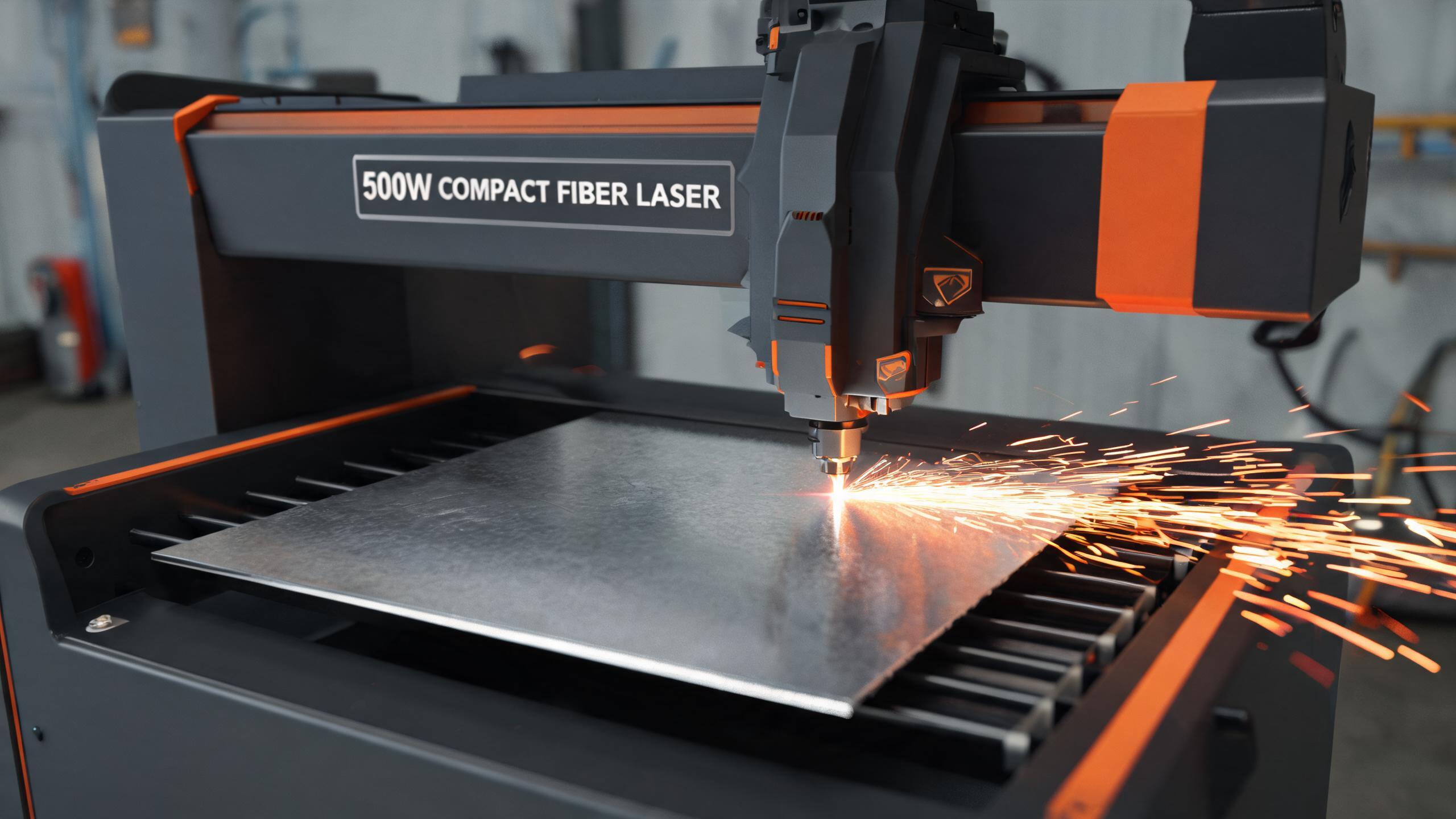
En detaljerad jämförelse av priser på fiberlaserskärare på nybörjarnivå (500W–2000W) vs. industriella (6000W–30000W), som täcker skillnader i prestanda när det gäller skärtjocklek, arbetsområde, automatisering, lämpliga kundprofiler och …
Pris på fiberlaserskärare: Jämförelse av instegs- och industrimodeller
Prisgapet för fiberlaserskärare mellan nybörjarmaskiner och industriella maskiner kan vara flera gånger – och att förstå vad som driver skillnaden är avgörande för att göra rätt investering. Nybörjarmaskiner (500W–2000W) och industriella modeller (6000W–30000W) tjänar i grunden olika tillverkningsbehov, produktionsvolymer och kundtyper. Den här guiden jämför dem avseende pris, prestanda och ROI så att du kan avgöra vilken nivå som passar ditt företag.
Vad definierar nybörjarnivå vs. industriell?
Innan du jämför priser på fiberlaserskärare är det viktigt att förstå vad som skiljer dessa två kategorier åt:
- Nybörjarnivå (500W–2000W): Designad för tunn till medeltjock plåt (0,5–12 mm kolstål), kompakta arbetsområden (1300×900 mm till 1500×3000 mm) och låga till måttliga produktionsvolymer (under 6 timmar/dag). Vanligtvis luftkyld eller med enkelslinga vattenkylning, med grundläggande CNC-styrningar.
- Industriell (6000W–30000W): Byggd för bearbetning av tjocka plåtar (20–70 mm kolstål), stora arbetsområden (2000×4000 mm till 2000×6000 mm) och kontinuerlig produktion i flera skift. Utrustad med förstärkta portalramar, kylare med tre kretsar, högtrycksskärhuvuden och avancerade Schneider Electric CNC-system med produktionshantering.
Prisjämförelsetabell för fiberlaserskärare
Tabellen nedan jämför nybörjarmodeller och industriella modeller avseende de viktigaste dimensionerna som påverkar både pris och värde:
| Specifikation | Nybörjarnivå (500W–2000W) | Industriell (6000W–30000W) |
|---|---|---|
| Prisklass i branschen | Nybörjarnivå till mellanklass | Hög industriell till premium |
| Max skärtjocklek i kolstål | 3–12 mm | 20–70 mm |
| Arbetsområde | 1300×900 mm till 1500×3000 mm | 2000×4000 mm till 2000×6000 mm |
| Positioneringsnoggrannhet | ±0,02–0,05 mm | ±0,05 mm (bibehålls på tjock plåt) |
| Kylsystem | Luft eller enkelslinga vattenkylare | Industriell vattenkylare med tre kretsar |
| Kontrollsystem | CypCut-programvara, grundläggande CNC | Schneider Electric Modicon M241 PLC, Ethernet, batchschemaläggning |
| Säkerhetskapsling | Valfri eller grundläggande | Helt sluten med låsbara dörrar (CE-kompatibel) |
| Växlingsbord | Inte typiskt | Standard eller valfri automatisk växlingsbord |
| Strömförsörjning | 220V enfas till 380V 3-fas | 380V 3-fas (hög strömstyrka) |
| Laserkällealternativ | RAYCUS (standard) | IPG / RAYCUS / GW (alla tillgängliga) |
| Driftskostnad per dag | Låg (~3–7 kW förbrukning) | Hög (~25–150 kW förbrukning) |
| Typisk maskinlivslängd | 10+ år (lätt belastning) | 10–15+ år (tung belastning, med underhåll) |
Prestandaskillnader som spelar roll
Utöver specifikationerna påverkar verkliga prestandaskillnader mellan nybörjar- och industriella fiberlaserskärare dina produktionsmöjligheter:
Skärtjocklek och hastighet
Nybörjarmaskiner utmärker sig vid tunnplåtsbearbetning där hastighet och precision är viktigare än rå effekt. En 500W-ekonomimodell skär 3 mm kolstål effektivt med minimal värmepåverkad zon, medan en 1000W-maskin utökar till 12 mm. Industriella maskiner som 12000 W och 30000W modellerna skär 35–70 mm kolstål i ett enda pass – och ersätter plasma, oxy-fuel och vattenstråleprocesser helt och hållet.
Automation och produktionshantering
Industriella modeller har avancerade CNC-system med batchschemaläggning, nästningsintegration, produktionsdataloggning och fjärrövervakning via Ethernet. Den 3000W-kompaktmodell erbjuder en mellanpunkt med Schneider Electric-styrning och växlingsbordskapacitet, som överbryggar enkelheten på nybörjarnivå och industriell automation.
Vem bör köpa nybörjarmodeller?
| Kundprofil | Rekommenderad effekt | Varför det passar |
|---|---|---|
| Nystartad tillverkningsverkstad | 500W–1000W | Låg kapitalinvestering; tillräcklig för tunnplåtsskyltar, kapslingar, prototyper |
| Teknisk skola / utbildningslaboratorium | 500W | 220V enfas; säker bänkdrift; minimalt underhåll |
| Jobbverkstad (tunn till medeltjock plåt) | 1000W–2000W | Hanterar 1–12 mm intervall; stort bord för standardplåtar; måttlig investering |
| Reklam- / skylttillverkare | 500W–1000W | Skär tunna metallbokstäver och paneler; låg driftskostnad per del |
Vem bör köpa industriella modeller?
| Kundprofil | Rekommenderad effekt | Varför det passar |
|---|---|---|
| Konstruktionsståltillverkare | 6000W–12000W | Skär 20–35 mm plåt; ersätter plasma med överlägsen kantkvalitet |
| Varvsindustri / offshore | 12000W–20000W | Tjock plåt (35–50 mm); stort 2000×6000 mm bord för valsade plåtar |
| Stålverk / tung industri | 20000 W–30000 W | Ultra-tjock plåt (50–70 mm); ersätter oxy-fuel helt |
| Produktionsanläggning med flera skift | 6000W+ | Kontinuerlig drift; växlingsbord; batchschemaläggning för 24/7-drift |
| Försvar / pansarplåt | 12000W–30000W | Skärning av höghållfast stål; slaggfria kanter på tjocka sektioner |
Investeringsavkastning: En praktisk ROI-modell
För att utvärdera om en nybörjar- eller industriell maskin är ekonomiskt förnuftig, överväg denna ROI-modell:
ROI-exempel på nybörjarnivå (1000W-maskin):
En jobbverkstad som skär tunn till medeltjock plåt (1–8 mm) tar cirka $0,50–$2,00 per del (beroende på komplexitet och material). Vid 50 delar/dag över 250 arbetsdagar = 12 500 delar/år. Även med en konservativ genomsnittlig intäkt på $1,00 per del kan årlig skärintäkt nå $12 500+. Med låga driftskostnader (el ~5 kW, luftassistansgas, minimala förbrukningsvaror) är återbetalningstiden för en investering på nybörjarnivå vanligtvis 12–24 månader.
ROI-exempel på industriell nivå (12000W-maskin):
En konstruktionsståltillverkare som skär 20–35 mm plåt ersätter extern plasmaskärning till $80–$150/timme för skärtjänst. Med 6 timmar/dag över 250 dagar = 1 500 timmar/år av intern skärning. Vid ett motsvarande värde på $100/timme innebär det $150 000/år i undvikna externa kostnader eller ny intäktskapacitet. Högre driftskostnader (el ~60 kW, kvävgas, premiumförbrukningsvaror) kompenseras av värdet av tjockplåtsskärningskapacitet. Återbetalningstider på 18–36 månader är möjliga för välutnyttjade industriella maskiner.
ROI-tumregel: Beräkna dina förväntade skärtimmar per dag, multiplicera med arbetsdagar per år, och jämför maskinens årliga driftskostnad mot de intäkter eller kostnadsbesparingar den genererar. Om den årliga nettofördelen överstiger 30–40 % av maskinpriset är investeringen ekonomiskt sund. Kontakta Xinhong CNC för en anpassad ROI-analys baserad på dina specifika material och produktionsvolym.
Att göra rätt val
- Överköp inte effekt. En 30000W-maskin som skär 3 mm plåt slösar enormt med el och gas. Anpassa effekten till ditt tjockaste vanliga material, inte ditt tillfälliga maximum.
- Tänk på uppgraderingsvägen. Att börja med en 500W- eller 1000W-maskin från en tillverkare med en komplett produktlinje (som Xinhong CNC, 500W–30000W) ger dig en tydlig uppgraderingsväg när ditt företag växer.
- Ta hänsyn till CE-efterlevnad. För europeiska köpare är slutna industriella modeller med Schneider Electric-styrning och EN 12254-säkerhetsfönster icke förhandlingsbara – lägg till detta i din budget från början.
- Utvärdera den totala kostnaden, inte bara inköpspriset. Industrimaskiner har betydligt högre driftskostnader – se vår kompletterande guide om total ägandekostnad för en detaljerad uppdelning.
För en fullständig prisguide över alla effektnivåer, läs Pris på fiberlasermaskin: prisguide 2026 efter effekt och varumärke. För överväganden kring nytt vs. begagnat på båda nivåerna, se Ny vs. begagnad fiberlaser till salu: Vilken passar din verkstad?
Du kan också titta på relaterade videor på YouTube– sök efter ”fiberlaserskärare jämförelse” eller ”nybörjarnivå vs. industriell laser” för att hitta videodemonstrationer som visar skillnader i skärprestanda mellan olika effektnivåer.
Relaterade artiklar i den här serien
- Pris på fiberlasermaskin: prisguide 2026 efter effekt och varumärke
- Ny vs. begagnad fiberlaser till salu: Vilken passar din verkstad?
- Begagnad fiberlaserskärningsmaskin: Risker, fördelar och checklista före köp
- Kostnad för fiberlaserskärningsmaskin: Total ägandekostnad