
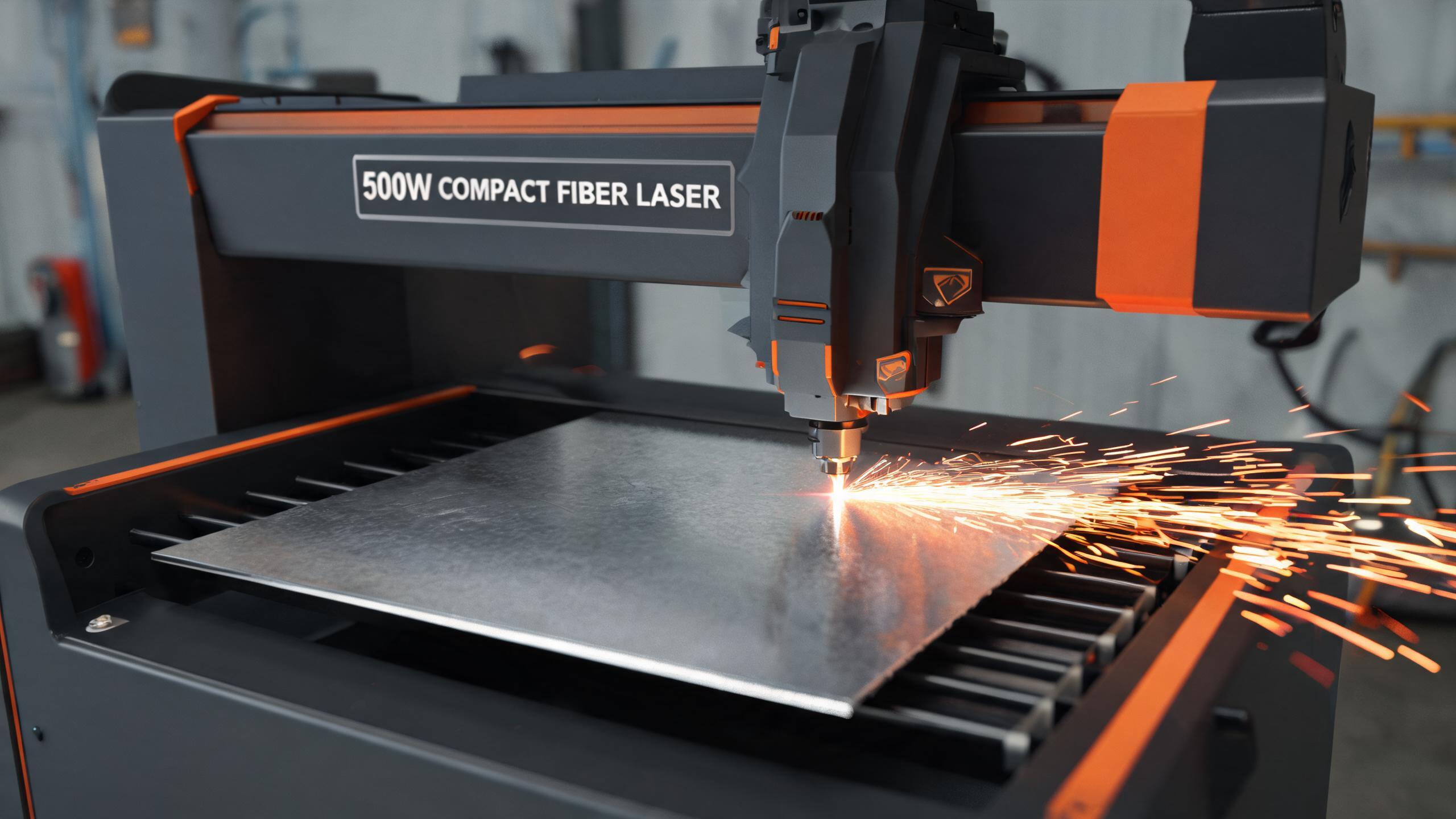
การเปรียบเทียบโดยละเอียดของราคาเครื่องตัดไฟเบอร์เลเซอร์ระดับเริ่มต้น (500W–2000W) กับระดับอุตสาหกรรม (6000W–30000W) ครอบคลุมความแตกต่างด้านประสิทธิภาพในความหนาที่ตัดได้ พื้นที่ทำงาน ระบบอัตโนมัติ กลุ่มลูกค้าที่เหมาะสม และ...
ราคาเครื่องตัดเลเซอร์ไฟเบอร์: เปรียบเทียบรุ่นระดับเริ่มต้นและระดับอุตสาหกรรม
ช่องว่างของราคาเครื่องตัดเลเซอร์ไฟเบอร์ระหว่างเครื่องระดับเริ่มต้นและระดับอุตสาหกรรมอาจแตกต่างกันหลายเท่า และการเข้าใจว่าอะไรเป็นตัวขับเคลื่อนความแตกต่างนั้นเป็นสิ่งจำเป็นสำหรับการตัดสินใจลงทุนที่ถูกต้อง เครื่องระดับเริ่มต้น (500W–2000W) และรุ่นอุตสาหกรรม (6000W–30000W) ให้บริการความต้องการด้านการผลิต ประเภทปริมาณการผลิต และกลุ่มลูกค้าที่แตกต่างกันโดยพื้นฐาน คู่มือนี้เปรียบเทียบทั้งสองระดับในด้านราคา ประสิทธิภาพ และผลตอบแทนจากการลงทุน เพื่อให้คุณสามารถกำหนดได้ว่าระดับใดเหมาะสมกับธุรกิจของคุณ
อะไรที่กำหนดระดับเริ่มต้นเทียบกับระดับอุตสาหกรรม?
ก่อนที่จะเปรียบเทียบราคาเครื่องตัดเลเซอร์ไฟเบอร์ สิ่งสำคัญคือต้องเข้าใจว่าอะไรที่แยกสองประเภทนี้ออกจากกัน:
- ระดับเริ่มต้น (500W–2000W): ออกแบบมาสำหรับแผ่นโลหะบางถึงปานกลาง (เหล็กกล้าคาร์บอน 0.5–12 มม.) พื้นที่ทำงานขนาดกะทัดรัด (1300×900 มม. ถึง 1500×3000 มม.) และปริมาณการผลิตเบาถึงปานกลาง (น้อยกว่า 6 ชั่วโมง/วัน) โดยทั่วไประบายความร้อนด้วยอากาศหรือระบายความร้อนด้วยน้ำแบบวงจรเดียว พร้อมตัวควบคุม CNC พื้นฐาน
- ระดับอุตสาหกรรม (6000W–30000W): สร้างขึ้นสำหรับการประมวลผลแผ่นหนา (เหล็กกล้าคาร์บอน 20–70 มม.) พื้นที่ทำงานขนาดใหญ่ (2000×4000 มม. ถึง 2000×6000 มม.) และการผลิตต่อเนื่องหลายกะ มีโครงสร้างโครงเหล็กเสริมแรง ระบบทำความเย็นสามวงจร หัวตัดแรงดันสูง และระบบ CNC ขั้นสูงของ Schneider Electric พร้อมการจัดการการผลิต
ตารางเปรียบเทียบราคาเครื่องตัดเลเซอร์ไฟเบอร์
ตารางด้านล่างเปรียบเทียบรุ่นระดับเริ่มต้นและระดับอุตสาหกรรมในมิติสำคัญที่ส่งผลต่อทั้งราคาและมูลค่า:
| ข้อมูลจำเพาะ | ระดับเริ่มต้น (500W–2000W) | อุตสาหกรรม (6000W–30000W) |
|---|---|---|
| ระดับราคาอุตสาหกรรม | ระดับเริ่มต้นถึงระดับกลาง | ระดับอุตสาหกรรมสูงถึงระดับพรีเมียม |
| ความหนาเหล็กกล้าคาร์บอนสูงสุดที่ตัดได้ | 3–12 มม. | 20–70 มม. |
| พื้นที่ทำงาน | 1300×900 มม. ถึง 1500×3000 มม. | 2000×4000 มม. ถึง 2000×6000 มม. |
| ความแม่นยำในการกำหนดตำแหน่ง | ±0.02–0.05 มม. | ±0.05 มม. (คงไว้บนแผ่นหนา) |
| ระบบทำความเย็น | เครื่องทำความเย็นด้วยอากาศหรือน้ำแบบวงจรเดียว | เครื่องทำน้ำเย็นอุตสาหกรรมสามวงจร |
| ระบบควบคุม | ซอฟต์แวร์ CypCut, CNC พื้นฐาน | Schneider Electric Modicon M241 PLC, อีเทอร์เน็ต, การจัดตารางการผลิตเป็นชุด |
| โครงป้องกันความปลอดภัย | อุปกรณ์เสริมหรือพื้นฐาน | ปิดล้อมอย่างสมบูรณ์พร้อมประตูนิรภัยแบบอินเทอร์ล็อก (เป็นไปตามมาตรฐาน CE) |
| โต๊ะแลกเปลี่ยน | ไม่ปกติ | มาตรฐานหรืออุปกรณ์เสริมโต๊ะแลกเปลี่ยนอัตโนมัติ |
| แหล่งจ่ายไฟ | 220V เฟสเดียวถึง 380V สามเฟส | 380V สามเฟส (กระแสสูง) |
| ตัวเลือกแหล่งกำเนิดเลเซอร์ | RAYCUS (มาตรฐาน) | IPG / RAYCUS / GW (มีทั้งหมด) |
| ต้นทุนการดำเนินงานรายวัน | ต่ำ (~3–7 กิโลวัตต์) | สูง (ใช้พลังงานประมาณ 25–150 กิโลวัตต์) |
| อายุการใช้งานทั่วไปของเครื่อง | 10+ ปี (งานเบา) | 10–15+ ปี (งานหนัก พร้อมการบำรุงรักษา) |
ความแตกต่างด้านประสิทธิภาพที่สำคัญ
นอกเหนือจากข้อกำหนดทางเทคนิค ความแตกต่างด้านประสิทธิภาพในโลกจริงระหว่างเครื่องตัดเลเซอร์ไฟเบอร์ระดับเริ่มต้นและระดับอุตสาหกรรมส่งผลต่อขีดความสามารถในการผลิตของคุณ:
ความหนาและความเร็วในการตัด
เครื่องระดับเริ่มต้น excels ในการประมวลผลแผ่นบางซึ่งความเร็วและความแม่นยำสำคัญกว่ากำลังดิบ เครื่อง รุ่นประหยัด 500W ตัดเหล็กกล้าคาร์บอน 3 มม. ได้อย่างมีประสิทธิภาพโดยมีบริเวณได้รับความร้อนน้อยที่สุด ในขณะที่เครื่อง เครื่อง 1000W ขยายได้ถึง 12 มม. เครื่องอุตสาหกรรมเช่นรุ่น 12000W และ 30000W ตัดเหล็กกล้าคาร์บอน 35–70 มม. ในรอบเดียว แทนที่กระบวนการพลาสมา ออกซีฟูเอล และวอเตอร์เจ็ททั้งหมด
ระบบอัตโนมัติและการจัดการการผลิต
รุ่นอุตสาหกรรมมีระบบ CNC ขั้นสูงพร้อมการจัดตารางงานเป็นชุด การรวมการจัดเรียงชิ้นส่วน การบันทึกข้อมูลการผลิต และการตรวจสอบระยะไกลผ่านอีเทอร์เน็ต รุ่น รุ่นกะทัดรัด 3000W นำเสนอจุดกึ่งกลางด้วยระบบควบคุม Schneider Electric และความสามารถของโต๊ะแลกเปลี่ยน เชื่อมช่องว่างระหว่างความเรียบง่ายของระดับเริ่มต้นและระบบอัตโนมัติระดับอุตสาหกรรม
ใครควรซื้อรุ่นระดับเริ่มต้น?
| โปรไฟล์ลูกค้า | กำลังไฟที่แนะนำ | เหตุผลที่เหมาะสม |
|---|---|---|
| โรงงานผลิตงานโลหะเริ่มต้น | 500W–1000W | เงินลงทุนเริ่มต้นต่ำ เพียงพอสำหรับป้ายแผ่นบาง กล่องหุ้ม ต้นแบบ |
| โรงเรียนเทคนิค / ห้องปฏิบัติการฝึกอบรม | 500W | 220V เฟสเดียว ปลอดภัยสำหรับการใช้งานบนโต๊ะ การบำรุงรักษาน้อยที่สุด |
| โรงงานรับจ้างผลิต (แผ่นบางถึงปานกลาง) | 1000W–2000W | รองรับช่วง 1–12 มม. โต๊ะขนาดใหญ่สำหรับแผ่นมาตรฐาน เงินลงทุนปานกลาง |
| ผู้ผลิตงานโฆษณา / ป้าย | 500W–1000W | ตัดตัวอักษรโลหะบางและแผง ต้นทุนการดำเนินงานต่อชิ้นต่ำ |
ใครควรซื้อรุ่นระดับอุตสาหกรรม?
| โปรไฟล์ลูกค้า | กำลังไฟที่แนะนำ | เหตุผลที่เหมาะสม |
|---|---|---|
| ผู้ผลิตเหล็กโครงสร้าง | 6000W–12000W | ตัดแผ่นหนา 20–35 มม. แทนที่พลาสมาด้วยคุณภาพขอบที่เหนือกว่า |
| ต่อเรือ / นอกชายฝั่ง | 12000W–20000W | แผ่นหนา (35–50 มม.) โต๊ะขนาดใหญ่ 2000×6000 มม. สำหรับแผ่นเหล็กจากโรงรีด |
| โรงรีดเหล็ก / อุตสาหกรรมหนัก | 20000W–30000W | แผ่นหนาพิเศษ (50–70 มม.) แทนที่ออกซีฟูเอลทั้งหมด |
| โรงงานผลิตหลายกะ | 6000W+ | การทำงานต่อเนื่อง โต๊ะแลกเปลี่ยน การจัดตารางการผลิตเป็นชุดสำหรับการทำงาน 24/7 |
| การป้องกันประเทศ / แผ่นเกราะ | 12000W–30000W | การตัดเหล็กความแข็งสูง ขอบไร้คราบตะกรันบนชิ้นส่วนหนา |
ผลตอบแทนจากการลงทุน: กรอบแนวคิด ROI ที่ใช้งานได้จริง
เพื่อประเมินว่าเครื่องระดับเริ่มต้นหรือระดับอุตสาหกรรมมีความเหมาะสมทางการเงินหรือไม่ ให้พิจารณากรอบแนวคิด ROI นี้:
ตัวอย่าง ROI ระดับเริ่มต้น (เครื่อง 1000W):
โรงงานรับจ้างผลิตที่ตัดแผ่นบางถึงปานกลาง (1–8 มม.) คิดค่าบริการประมาณ $0.50–$2.00 ต่อชิ้น (ขึ้นอยู่กับความซับซ้อนและวัสดุ) ที่ 50 ชิ้น/วัน เป็นเวลา 250 วันทำการ = 12,500 ชิ้น/ปี แม้จะใช้รายได้เฉลี่ยต่อชิ้นเพียง $1.00 รายได้จากการตัดต่อปีอาจสูงถึง $12,500+ ด้วยต้นทุนการดำเนินงานต่ำ (ไฟฟ้าประมาณ 5 กิโลวัตต์ ก๊าซช่วยตัด วัสดุสิ้นเปลืองน้อยที่สุด) ระยะเวลาคืนทุนสำหรับการลงทุนระดับเริ่มต้นโดยทั่วไปคือ 12–24 เดือน
ตัวอย่าง ROI ระดับอุตสาหกรรม (เครื่อง 12000W):
ผู้ผลิตเหล็กโครงสร้างที่ตัดแผ่นหนา 20–35 มม. แทนที่การตัดพลาสมาที่จ้างภายนอกซึ่งคิดค่าใช้จ่าย $80–$150/ชั่วโมงของการบริการตัด การทำงาน 6 ชั่วโมง/วัน เป็นเวลา 250 วัน = 1,500 ชั่วโมง/ปีของการตัดภายในองค์กร ที่มูลค่าเทียบเท่า $100/ชั่วโมง นั่นคือ $150,000/ปีในต้นทุนที่หลีกเลี่ยงจากการจ้างภายนอกหรือกำลังการผลิตรายได้ใหม่ ต้นทุนการดำเนินงานที่สูงขึ้น (ไฟฟ้าประมาณ 60 กิโลวัตต์ ก๊าซไนโตรเจน วัสดุสิ้นเปลืองระดับพรีเมียม) จะถูกหักล้างด้วยมูลค่าของความสามารถในการตัดแผ่นหนา ระยะเวลาคืนทุน 18–36 เดือนเป็นไปได้สำหรับเครื่องอุตสาหกรรมที่มีการใช้งานอย่างเต็มที่
หลักการง่ายๆ ของ ROI: คำนวณชั่วโมงการตัดที่คาดหวังต่อวัน คูณด้วยจำนวนวันทำงานต่อปี และเปรียบเทียบต้นทุนการดำเนินงานรายปีของเครื่องกับรายได้หรือการประหยัดต้นทุนที่เครื่องสร้างขึ้น หากผลประโยชน์สุทธิรายปีเกิน 30–40% ของราคาเครื่อง การลงทุนนั้นมีความเหมาะสมทางการเงิน ติดต่อ Xinhong CNC เพื่อขอการวิเคราะห์ ROI ที่ปรับแต่งตามวัสดุและปริมาณการผลิตเฉพาะของคุณ
การตัดสินใจที่ถูกต้อง
- อย่าซื้อกำลังไฟเกินความจำเป็น เครื่อง 30000W ที่ตัดแผ่น 3 มม. สิ้นเปลืองไฟฟ้าและก๊าซอย่างมหาศาล จับคู่กำลังไฟกับวัสดุหนาที่สุดที่คุณใช้เป็นประจำ ไม่ใช่ความหนาสูงสุดเป็นครั้งคราว
- พิจารณาเส้นทางการอัปเกรด การเริ่มต้นด้วยเครื่อง 500W หรือ 1000W จากผู้ผลิตที่มีผลิตภัณฑ์ครบไลน์ (เช่น Xinhong CNC, 500W–30000W) ให้เส้นทางการอัปเกรดที่ชัดเจนเมื่อธุรกิจของคุณเติบโต
- คำนึงถึงการปฏิบัติตามมาตรฐาน CE สำหรับผู้ซื้อในยุโรป รุ่นอุตสาหกรรมแบบปิดล้อมพร้อมระบบควบคุม Schneider Electric และหน้าต่างนิรภัย EN 12254 เป็นสิ่งที่ขาดไม่ได้ เพิ่มสิ่งนี้ในงบประมาณของคุณตั้งแต่เริ่มต้น
- ประเมินต้นทุนรวม ไม่ใช่แค่ราคาซื้อ เครื่องอุตสาหกรรมมีต้นทุนการดำเนินงานสูงกว่าอย่างมีนัยสำคัญ ดูคู่มือประกอบของเราเกี่ยวกับ ต้นทุนการเป็นเจ้าของทั้งหมด สำหรับรายละเอียดเพิ่มเติม
สำหรับคู่มือราคาฉบับเต็มทุกระดับกำลังไฟ อ่าน ราคาเครื่องเลเซอร์ไฟเบอร์: คู่มือราคาปี 2026 แยกตามกำลังและยี่ห้อ. สำหรับข้อควรพิจารณาเครื่องใหม่เทียบกับเครื่องใช้แล้วในทุกระดับ ดู เครื่องเลเซอร์ไฟเบอร์ใหม่ vs มือสอง: แบบไหนเหมาะกับโรงงานของคุณ?
คุณยังสามารถ ชมวิดีโอที่เกี่ยวข้องบน YouTube- ค้นหา “fiber laser cutter comparison” หรือ “entry level vs industrial laser” เพื่อดูวิดีโอสาธิตที่แสดงความแตกต่างของประสิทธิภาพการตัดในระดับกำลังไฟต่างๆ
บทความที่เกี่ยวข้องในชุดนี้
- ราคาเครื่องเลเซอร์ไฟเบอร์: คู่มือราคาปี 2026 แยกตามกำลังและยี่ห้อ
- เครื่องเลเซอร์ไฟเบอร์ใหม่ vs มือสอง: แบบไหนเหมาะกับโรงงานของคุณ?
- เครื่องตัดเลเซอร์ไฟเบอร์มือสอง: ความเสี่ยง ประโยชน์ และรายการตรวจสอบก่อนซื้อ
- ต้นทุนเครื่องตัดเลเซอร์ไฟเบอร์: รายละเอียดต้นทุนการเป็นเจ้าของทั้งหมด