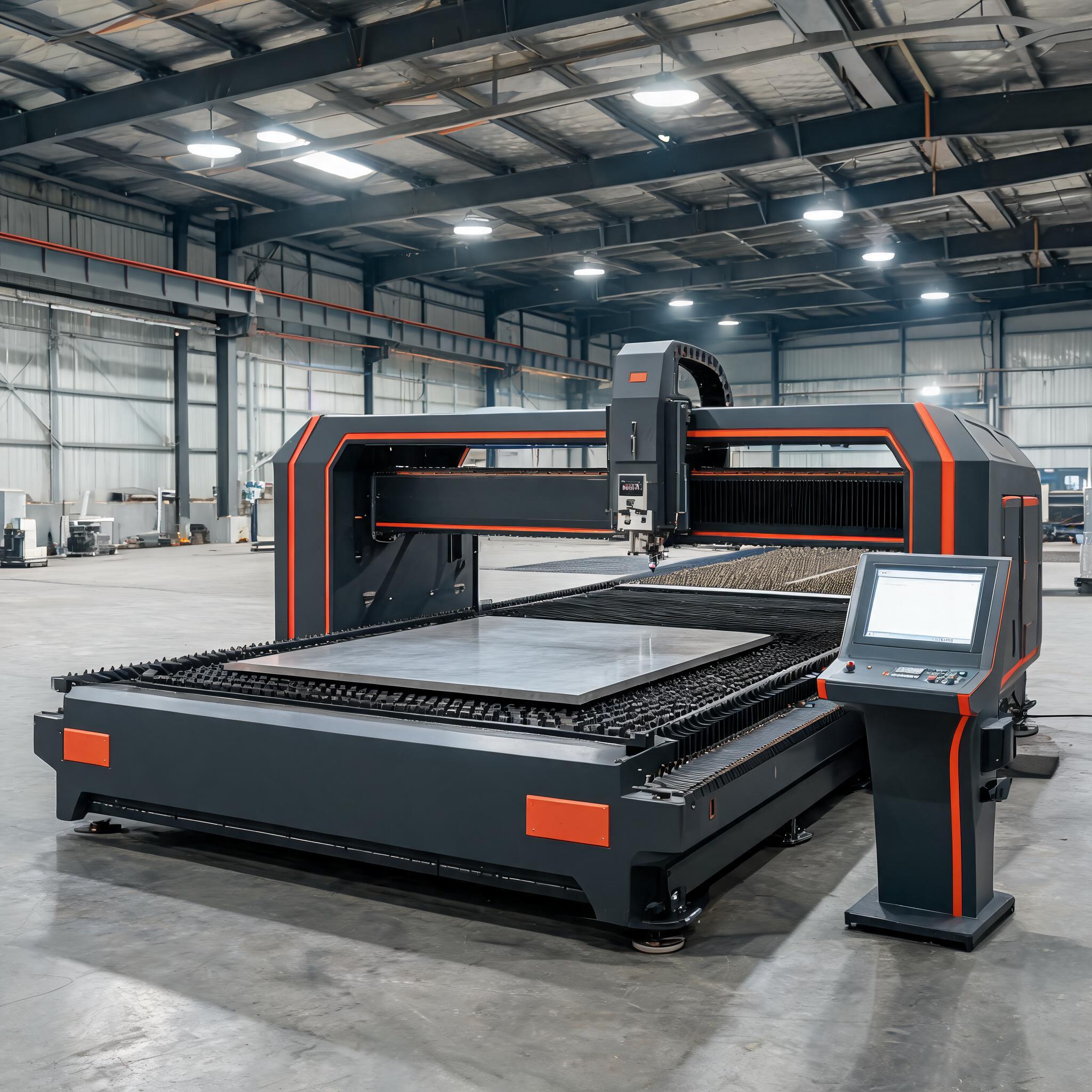
What Is a 12kW Fiber Laser Cutting Machine?
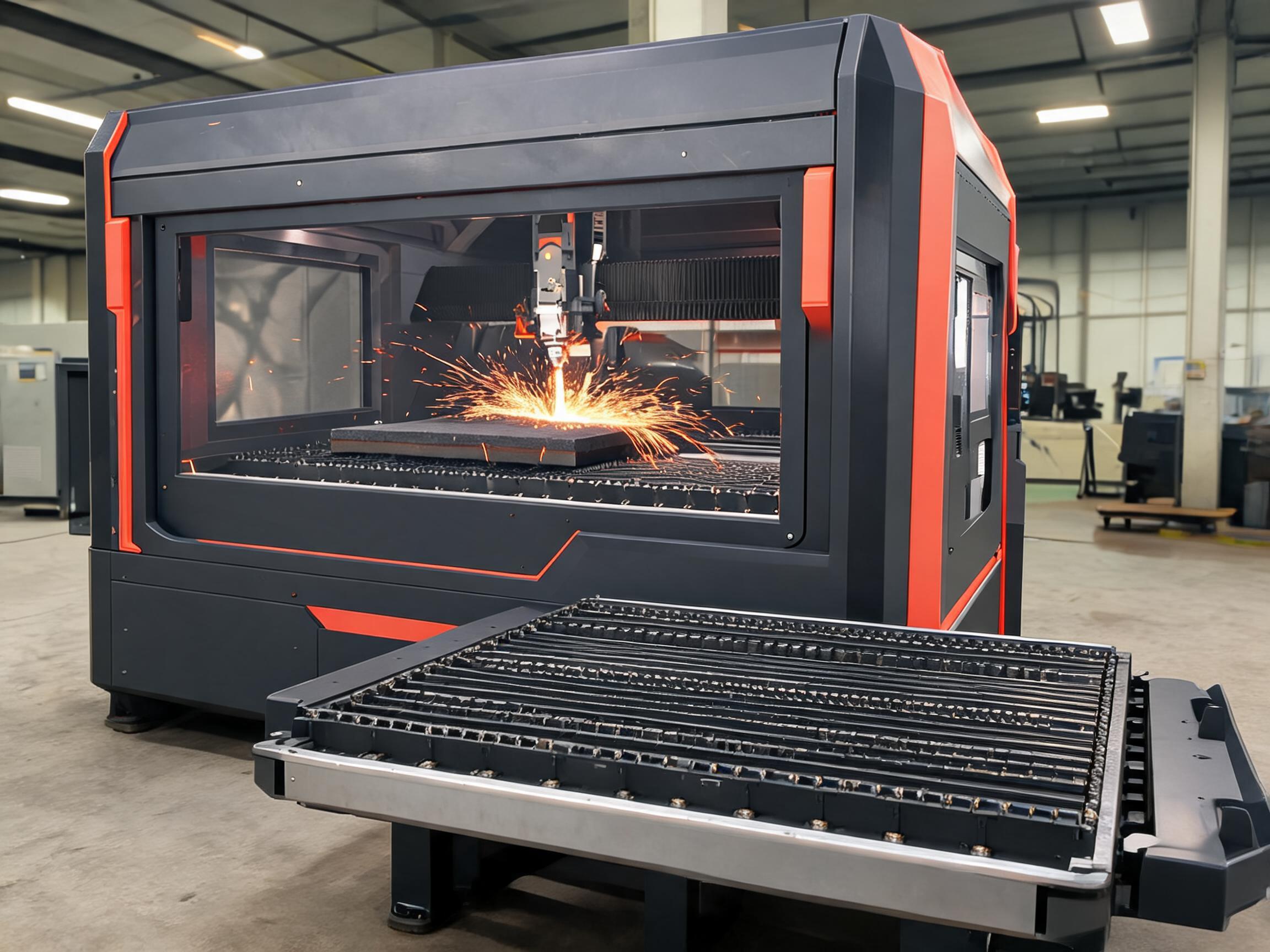
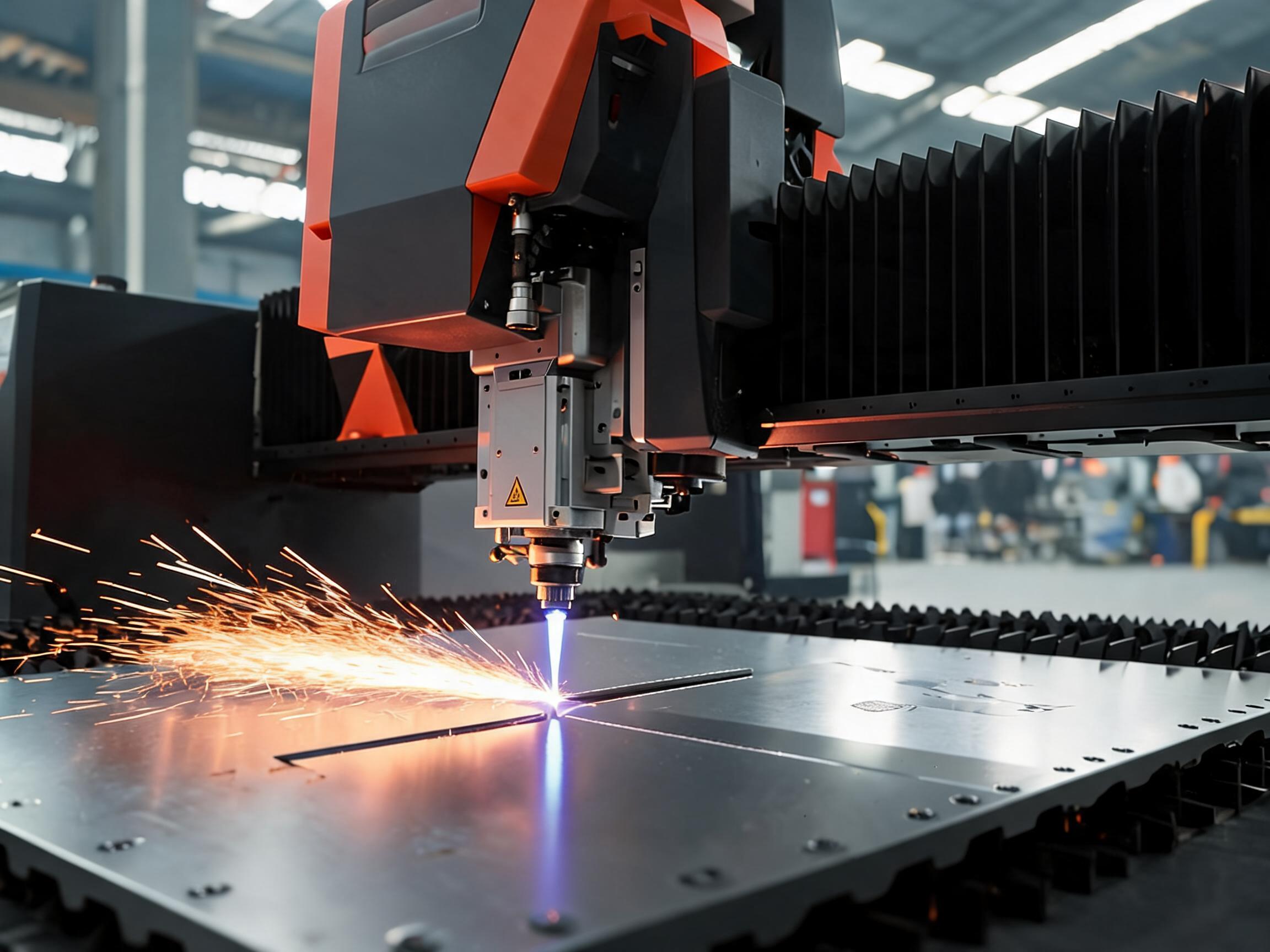
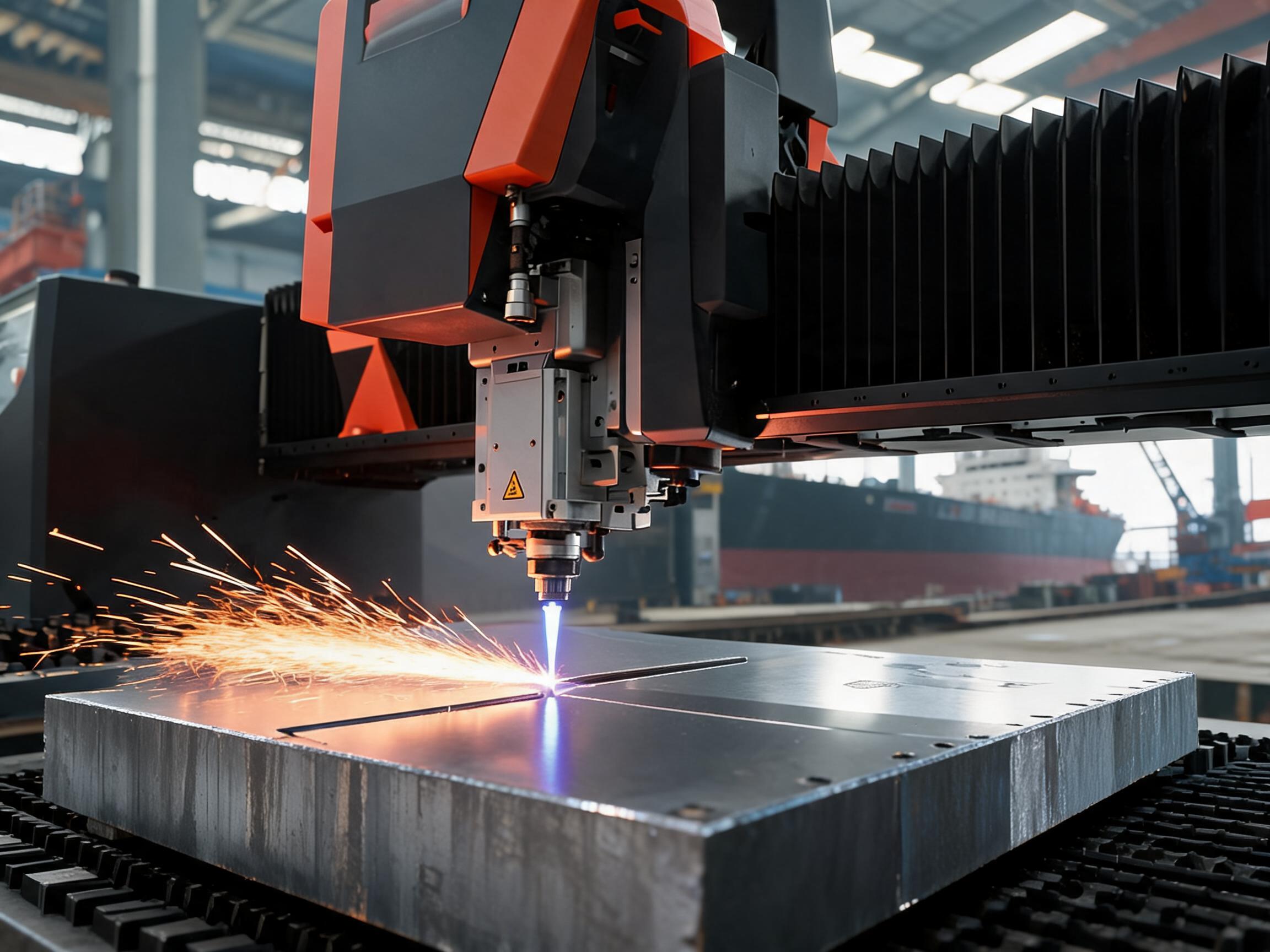
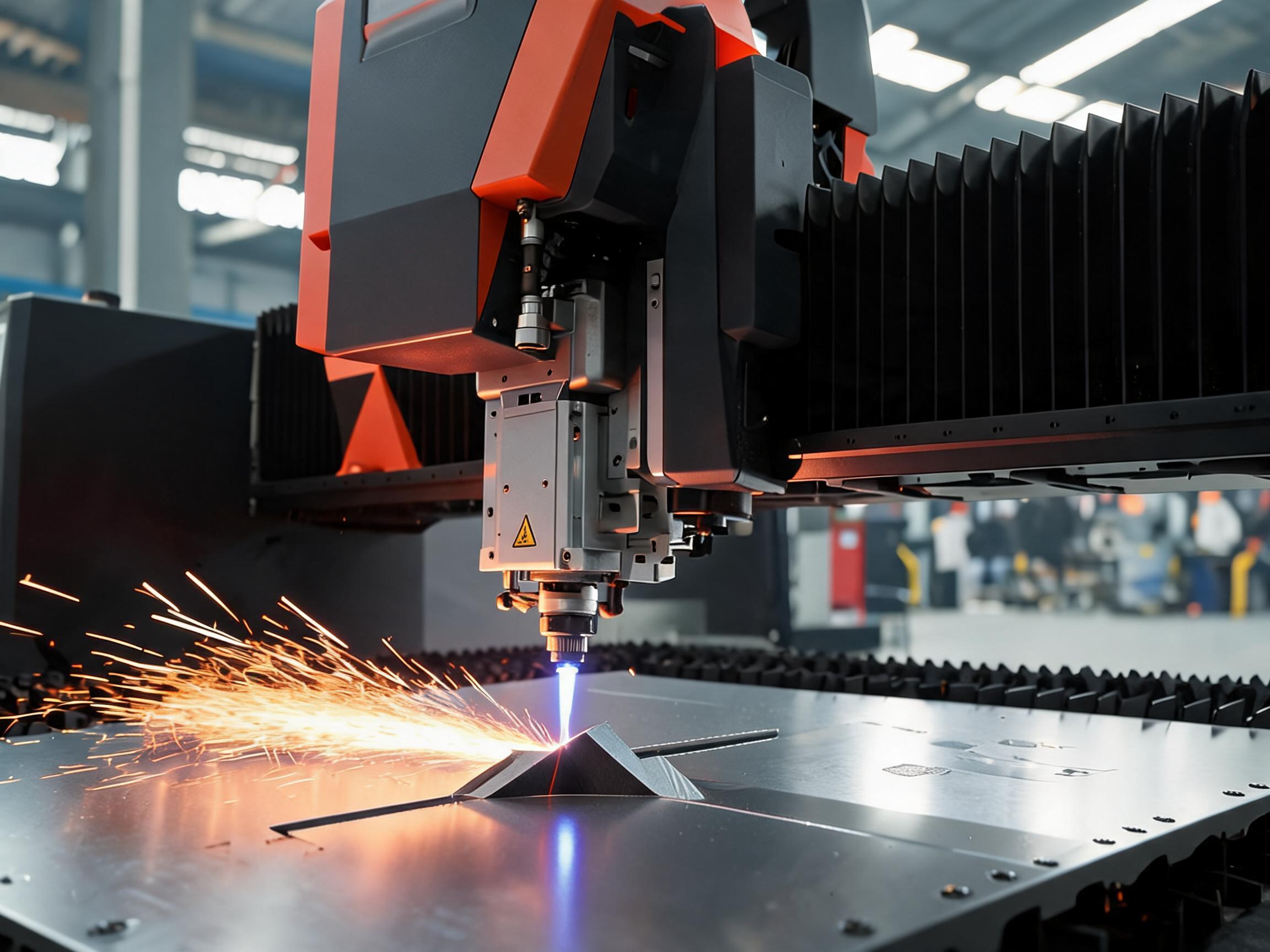
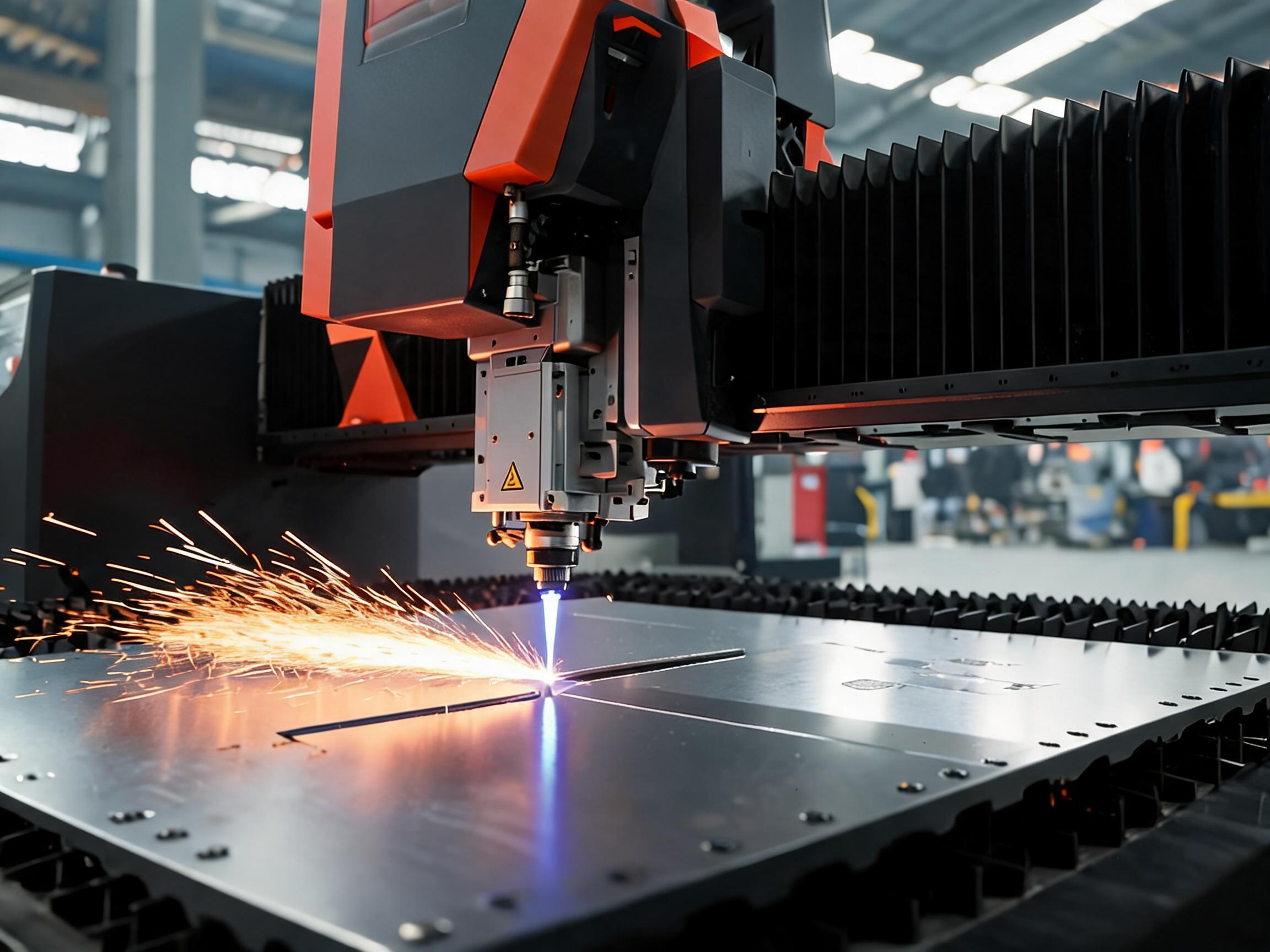
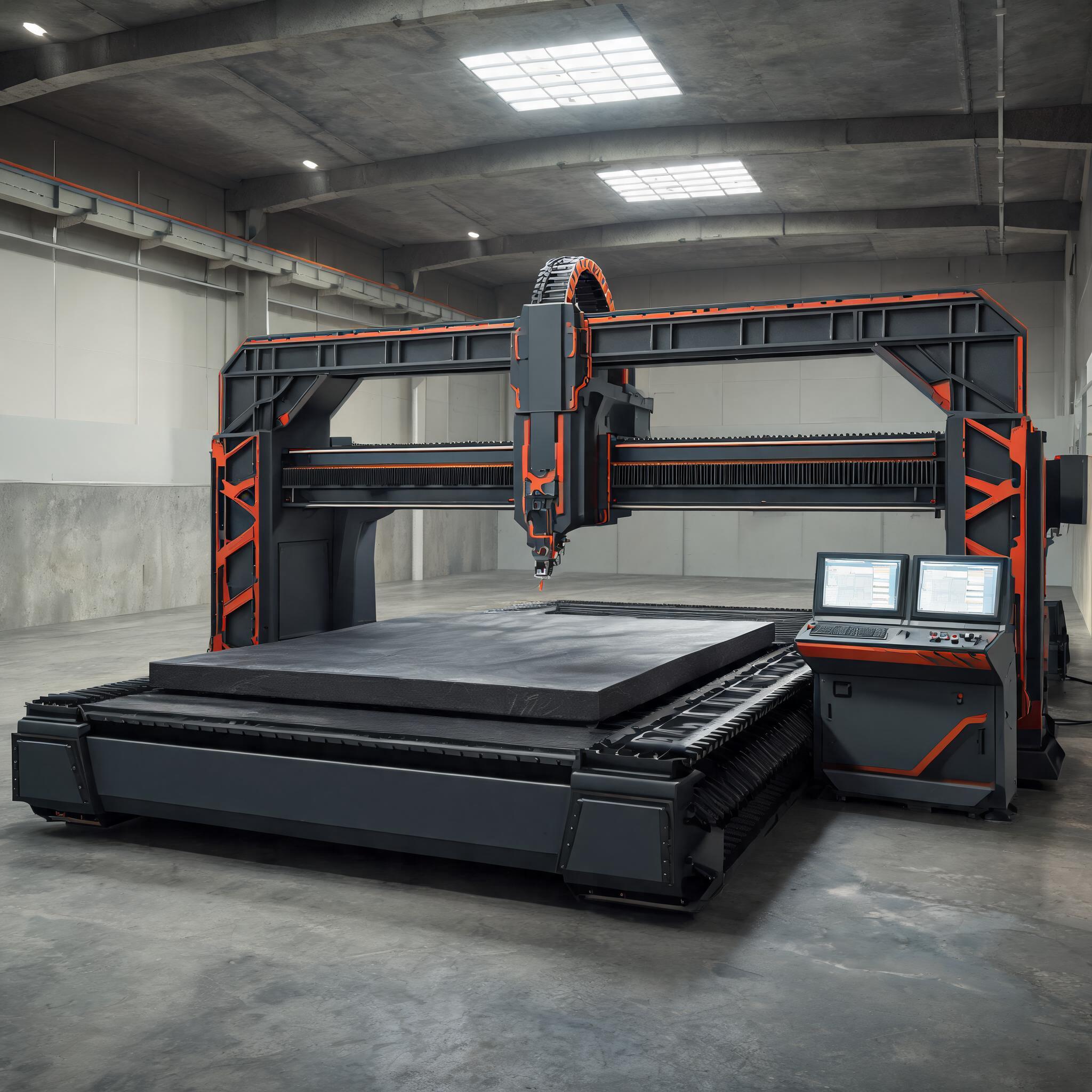
A 12kW fiber laser cutting machine delivers 12000 watts of continuous laser power through a fiber optic beam path, enabling clean cuts on carbon steel up to 30mm, stainless steel up to 25mm, and aluminum up to 20mm. The 12kW power class has become a sweet spot for fabrication shops transitioning from plasma or CO2 systems, offering significantly faster cutting speeds on medium-thickness plates while maintaining the edge quality that downstream welding and painting operations demand. Xinhong CNC equips 12kW machines with IPG, Raycus, or MAX laser sources, CypCut control systems, and exchange tables in standard working areas from 1500x3000mm up to 2000x6000mm.
Key Specifications and Configuration Options
When evaluating a 12kW fiber laser cutting machine, buyers should compare these core specifications across suppliers:
| Parameter | Typical Range | Buyer Consideration |
|---|---|---|
| Laser Power | 12000W | Confirm actual output power, not rated maximum |
| Working Area | 1500x3000 to 2000x6000mm | Match to standard sheet sizes in your market |
| Positioning Accuracy | ±0.03mm/m | Affects tolerance-critical parts |
| Repeatability | ±0.02mm | Critical for batch production consistency |
| Max Speed | 120m/min | Rapid traverse speed affects cycle time |
| Laser Source | IPG / Raycus / MAX | IPG offers longest lifespan; Raycus balances cost and performance |
| Control System | CypCut / LNC | CypCut is industry standard for fiber laser cutting |
Beyond these baseline specs, buyers should verify the machine's maximum acceleration, which directly impacts cutting efficiency on complex geometries. A 12kW machine achieving 1.2G acceleration processes intricate nested parts significantly faster than one limited to 0.8G. The cooling system capacity also matters: 12kW lasers generate substantial heat, and undersized chillers cause power drift and beam quality degradation over long shifts.
Material Thickness Capabilities and Cutting Speed
The 12kW power class excels in the 6-25mm thickness range for carbon steel, where it offers dramatic speed advantages over 6kW machines. At 10mm carbon steel, a 12kW machine typically cuts at 2.5-3.5m/min, compared to 1.2-1.8m/min for a 6kW machine. This speed differential translates to 40-60% higher throughput per shift, which is the primary ROI driver for upgrading to 12kW.
For stainless steel, the 12kW power level enables clean cuts up to 25mm with nitrogen assist gas, producing oxide-free edges that eliminate post-cut grinding. Aluminum cutting up to 20mm becomes practical at 12kW, opening applications in aerospace, automotive, and sign manufacturing that were previously served by dedicated aluminum cutting systems.
Selecting the Right Laser Source Brand
The laser source is the single most expensive component and its brand choice affects maintenance costs, spare parts availability, and resale value. IPG photonics offers the longest expected service life (100000+ hours) and best beam quality but commands a 20-35% price premium. Raycus provides excellent value for money with 80000-100000 hour lifespans and widespread service support in Asia and Europe. MAX laser sources offer competitive pricing for budget-conscious buyers while meeting industrial reliability standards.
Buyers should also consider the warranty terms for each brand. IPG typically offers 2-year warranties, while Raycus and MAX provide 1-2 year coverage. Request the actual warranty document, not just verbal assurances, and verify whether it covers on-site service or requires shipping the source back to the manufacturer.
Exchange Table and Automation Integration
The exchange table is essential for production environments where downtime between sheets directly impacts throughput. A properly configured exchange table completes a full sheet swap in 15-30 seconds, compared to 3-5 minutes for manual loading. Over an 8-hour shift processing 30-40 sheets, this saves approximately 90 minutes of non-productive time.
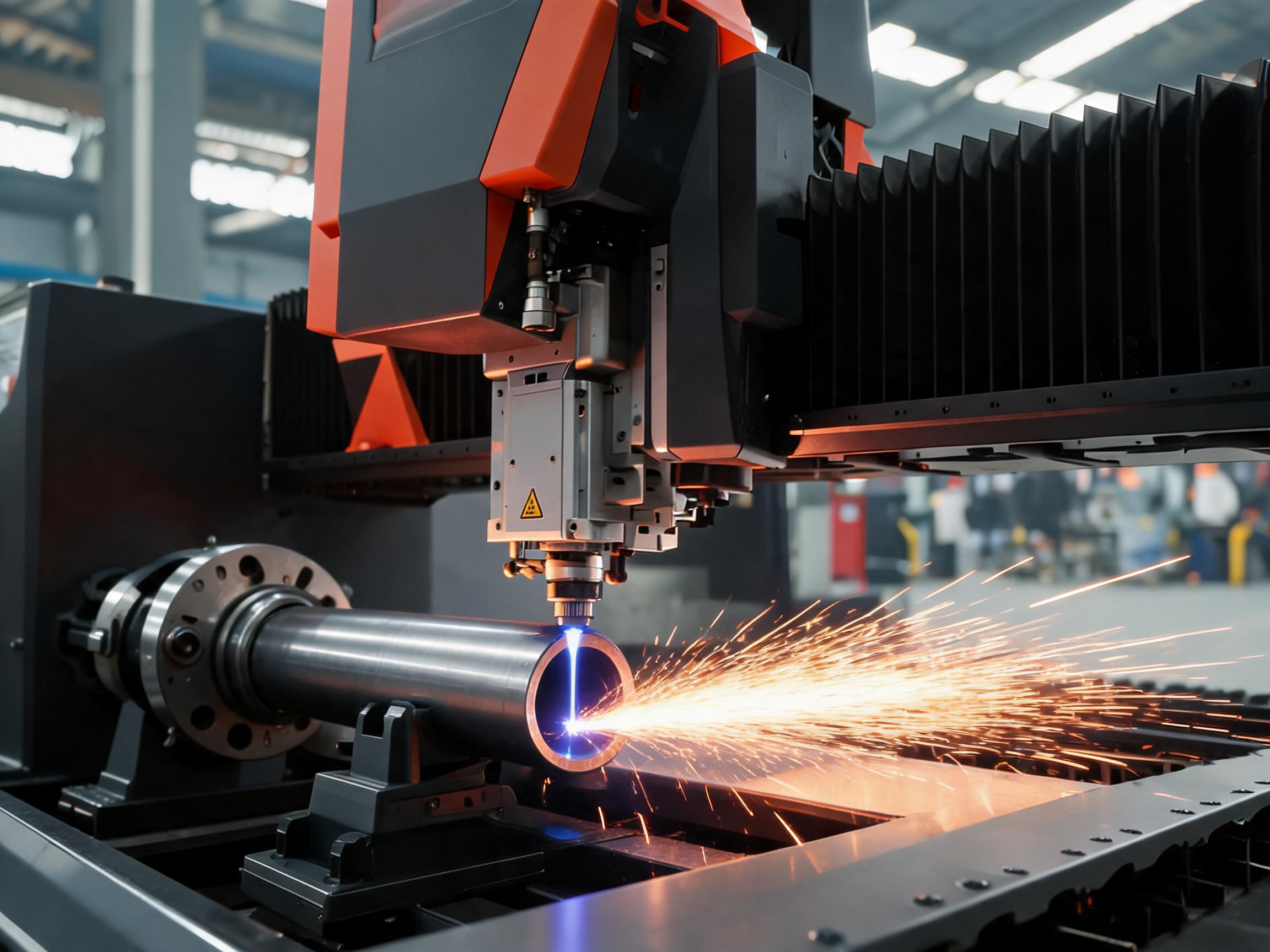
For higher automation levels, consider whether the machine supports automatic nozzle changing, pipe cutting attachments, and loading/unloading systems. The CypCut controller supports these add-ons through standardized interfaces, but buyers should confirm that the specific machine configuration includes the necessary hardware mounts and pneumatic connections. Retrofitting automation after delivery is significantly more expensive than specifying it during the initial build.
Cooling System and Environmental Requirements
A 12kW fiber laser requires a water chiller with at least 25kW cooling capacity to maintain stable laser source temperature. Undersized chillers cause thermal drift in the resonator, leading to power fluctuations that produce inconsistent cut quality across a shift. The chiller should include dual-temperature circuits: one for the laser source (maintaining 22-24C) and one for the cutting head optics (maintaining 20-22C).
Ambient temperature in the facility should be maintained between 5-40C with relative humidity below 70%. Facilities in humid tropical climates need additional dehumidification to prevent condensation on optical components. Buyers should also plan for the machine's electrical requirements: a 12kW laser cutting machine typically requires a 3-phase 380V supply at 60-80kVA, including power for the chiller, air compressor, and dust extraction system.
Quality Control and Factory Testing
Before accepting delivery, buyers should request factory acceptance test (FAT) results that document cutting quality across the full material thickness range. A proper FAT includes test cuts on carbon steel at 1mm, 5mm, 10mm, 20mm, and 30mm; stainless steel at 3mm, 6mm, 12mm, and 20mm; and aluminum at 2mm, 5mm, 10mm, and 15mm. Each test coupon should be measured for edge perpendicularity, dross formation, surface roughness, and kerf width consistency.
Xinhong CNC conducts FAT at its Shandong factory with buyer participation via video call or in-person inspection. The test report includes cutting speed data at each thickness, edge photos, and dimensional measurements. Buyers should also verify that all safety interlocks, emergency stops, and enclosure sealing function correctly during the test.
Packaging, Shipping, and Installation
The machine is shipped in a customized steel frame crate with anti-vibration padding and moisture protection. Total shipping weight for a 12kW machine with exchange table is typically 12-18 tons depending on the working area. Container loading requires a 40-foot flat rack or open-top container. Xinhong CNC provides detailed loading drawings and lashing plans for buyer approval before shipment.
Installation requires a level concrete floor with minimum 200mm thickness and load capacity of 2000kg/m2. The installation team (typically 2-3 engineers) requires 5-7 days for assembly, alignment, laser calibration, and operator training. Buyers should prepare electrical connections, compressed air supply (0.5-0.8MPa, 2-3m3/min), and assist gas lines (oxygen and nitrogen) before the team arrives.
Common Purchasing Mistakes to Avoid
One frequent mistake is over-specifying laser power for the actual material mix. If 80% of your work is 3-8mm carbon steel, a 6kW machine may deliver better ROI than a 12kW machine, as the speed advantage on thin material is marginal. Another error is underestimating assist gas consumption: 12kW machines cutting thick carbon steel with oxygen consume 15-25m3/hour, and nitrogen cutting of stainless steel can consume 30-50m3/hour. Buyers must factor in ongoing gas costs, not just the machine purchase price.
A third mistake is neglecting operator training. While fiber laser machines are more automated than CO2 systems, proper parameter optimization for different materials and thicknesses requires skilled operators. Budget for at least 5 days of on-site training covering nesting software, parameter adjustment, maintenance procedures, and troubleshooting. Also verify that the supplier provides parameter libraries for common materials rather than requiring operators to develop them from scratch.
Warranty and After-Sales Support
Standard warranty coverage includes 2 years on the laser source (IPG), 1-2 years on the machine frame and motion system, and 6-12 months on consumable components (nozzles, protective lenses, focus lenses). Buyers should negotiate the scope of coverage: does the warranty include on-site service or only parts? Is travel and accommodation for service engineers included? What is the guaranteed response time for critical failures?
Xinhong CNC provides remote diagnostics via TeamViewer, spare parts shipment within 3-14 days, and on-site service through partner networks in Europe, Southeast Asia, and the Middle East. We maintain a spare parts inventory for common consumables and can ship replacement laser source modules within 48 hours for critical failures under warranty.
Frequently Asked Questions
What is the delivery time for a 12kW fiber laser cutting machine?
Standard delivery is 30-45 days from order confirmation. Custom configurations with non-standard working areas or special automation may require 45-60 days. Shipping time depends on destination: 15-25 days to European ports, 7-15 days to Southeast Asian ports.
What is the minimum order quantity?
One unit. We accept both single machine orders and multi-machine production line projects.
Can I see the machine running before purchase?
Yes. We welcome factory visits to our Shandong facility for live cutting demonstrations. For buyers unable to travel, we arrange video demonstrations showing cutting performance on your specified materials and thicknesses.
What certifications are available?
CE certification is standard for European markets. We can also provide ISO 9001 quality management system certification. Buyers requiring specific national certifications should confirm availability during quotation.
How much does a 12kW fiber laser cutting machine cost?
Pricing depends on laser source brand, working area, automation level, and included accessories. Please request a quotation with your specific requirements for accurate pricing. As a direct manufacturer, Xinhong CNC offers competitive pricing compared to trading companies.
What assist gases are required?
Oxygen (99.95% purity) for carbon steel cutting, nitrogen (99.99% purity) for stainless steel and aluminum cutting, and clean compressed air for thin sheet cutting. Gas consumption varies with material thickness and cutting speed.
Do you provide nesting software?
Yes. CypCut nesting and control software is included. We also support popular third-party nesting software such as OptiNest and PipeCut for specialized applications.
What is the expected laser source lifespan?
IPG laser sources are rated for 100000+ hours of operation. Raycus sources typically last 80000-100000 hours. Actual lifespan depends on duty cycle, maintenance quality, and operating environment.
Can the machine cut pipes and tubes?
Yes, with an optional rotary axis attachment. The pipe cutting module handles round, square, and rectangular tubes up to 320mm diameter. Specify this requirement during quotation for proper integration.
What is the power consumption?
A 12kW fiber laser cutting machine consumes approximately 35-50kW during full-power cutting, including the chiller, air compressor, and dust extraction. Idle power consumption is 5-8kW.