
Understanding Laser Cutting Machine Chillers: A Buyer's Guide
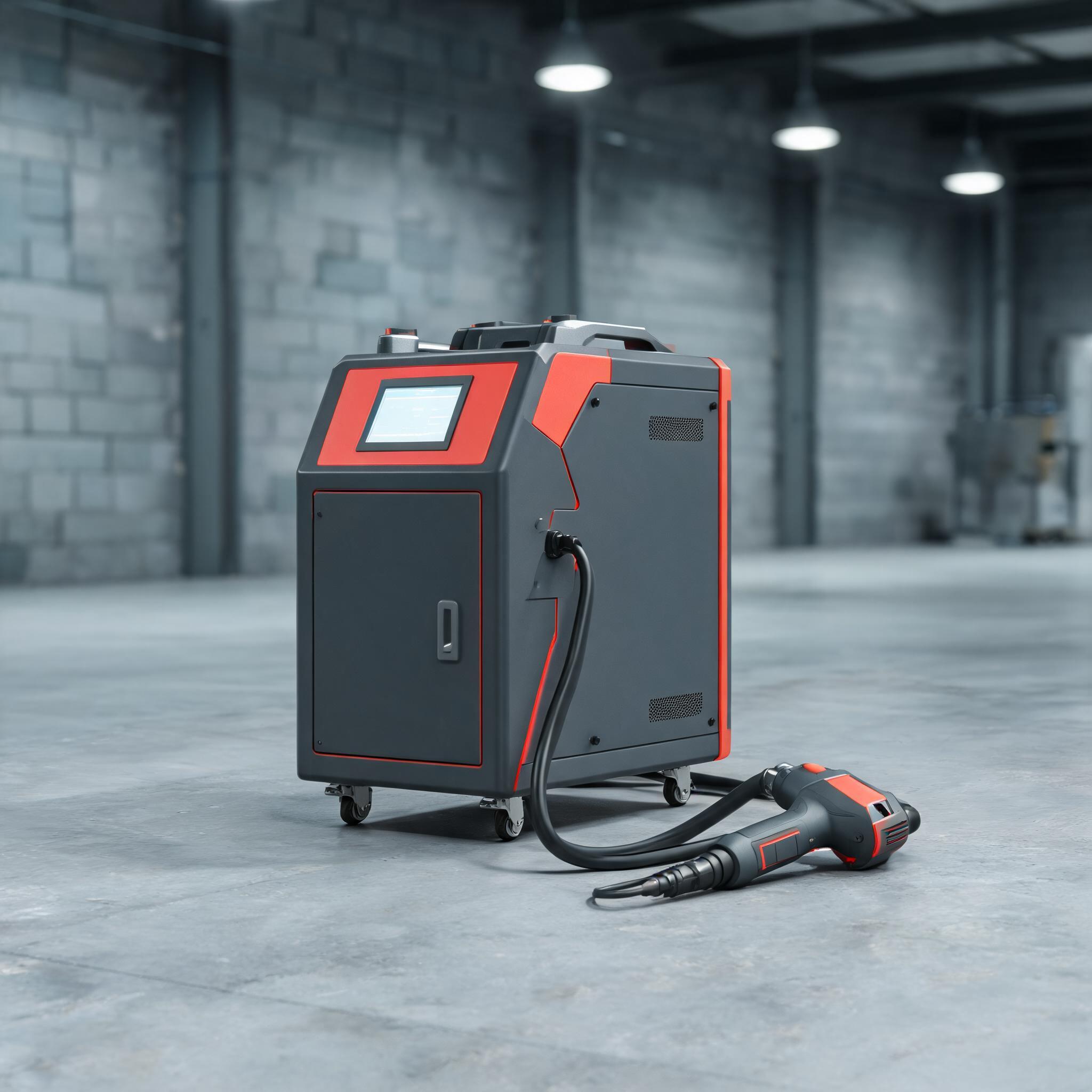
Industrial fiber laser cutting machines generate substantial heat during operation. A properly sized water chiller is critical for maintaining laser source temperature stability, beam quality, and component longevity. This guide covers everything buyers need to know about selecting, sizing, and maintaining chillers for laser cutting systems.
Why Laser Cutting Machines Require Dedicated Chillers
Fiber laser sources convert electrical energy into laser light with approximately 30 to 40 percent efficiency. The remaining energy becomes heat that must be removed continuously. Without adequate cooling, laser power drifts, cut quality degrades, and component lifespan shortens dramatically. A dedicated industrial chiller circulates cooled water or water-glycol mixture through the laser source and optics to maintain precise temperature control.
Temperature Stability and Beam Quality
Fiber laser sources operate optimally within a narrow temperature window, typically 22 to 25 degrees Celsius. Temperature fluctuations as small as 1 degree can cause beam mode changes, affecting cut edge quality and piercing times. High-precision chillers maintain temperature accuracy within plus or minus 0.5 degrees, ensuring consistent cutting performance across long production runs.
Component Protection
Overheating damages laser diodes, protective lenses, and fiber delivery cables. Replacing a fiber laser source can cost 30 to 60 percent of the machine's original price. A reliable chiller is an insurance policy protecting your core investment. Chillers also cool cutting heads, collimating lenses, and focusing optics in high-power systems.
Types of Laser Cutting Machine Chillers
Air-Cooled Chillers
Air-cooled chillers use ambient air to dissipate heat through finned condensers and fans. They require no external water supply, simplifying installation. Suitable for ambient temperatures up to 40 degrees Celsius, air-cooled units are common in small to medium laser systems (500W to 6000W). Advantages include lower installation cost, no water treatment requirements, and easier relocation. Limitations include higher noise levels and reduced efficiency in high-temperature environments.
Water-Cooled Chillers
Water-cooled chillers use a separate cooling water circuit, typically connected to an external cooling tower. They offer superior cooling efficiency and stable performance in high ambient temperatures. Preferred for high-power laser systems (8000W to 30000W) where heat rejection requirements exceed air-cooled capabilities. Water-cooled units maintain tighter temperature control but require additional infrastructure including cooling towers, water treatment, and piping.
Sizing a Chiller for Your Laser System
Proper chiller sizing depends on laser power, ambient temperature, duty cycle, and coolant type. The following table provides general guidance for fiber laser cutting machines:
| Laser Power | Recommended Cooling Capacity | Chiller Type |
|---|---|---|
| 1000W to 2000W | 2 to 3 kW | Air-cooled |
| 3000W to 6000W | 5 to 9 kW | Air-cooled or water-cooled |
| 8000W to 12000W | 12 to 18 kW | Water-cooled |
| 15000W to 30000W | 20 to 40 kW | Water-cooled with cooling tower |
Always add a 20 to 30 percent safety margin to calculated cooling loads. Undersized chillers cause temperature alarms and production stoppages, while oversized units cycle inefficiently and waste energy.
Key Specifications to Compare When Buying
Cooling Capacity
Measured in kilowatts (kW), this is the most critical specification. Verify that the rated capacity is specified at your expected ambient temperature and coolant temperature, not at ideal laboratory conditions. Manufacturers may cite cooling capacity at 20 degrees Celsius ambient, which drops significantly at 35 degrees or higher.
Temperature Stability
Look for chillers that maintain coolant temperature within plus or minus 0.5 degrees Celsius. Precision laser cutting, especially in thick plate applications, demands tight thermal control. Chillers with PID temperature control and variable-speed compressors offer superior stability compared to basic on-off compressor models.
Flow Rate and Pressure
Laser sources require specific coolant flow rates and pressures. Insufficient flow causes localized hot spots, while excessive pressure can damage internal seals. Check that the chiller's pump can deliver the required flow rate at the laser source's specified pressure drop. Typical flow rates range from 15 to 80 liters per minute depending on laser power.
Refrigerant Type
Modern chillers use environmentally friendly refrigerants such as R410A, R407C, or R134a. Avoid chillers using R22, which is being phased out globally under the Montreal Protocol. Refrigerant availability affects long-term maintenance costs and compliance, especially for equipment exported to or operated in regulated markets.
Integration with Laser Cutting Systems
A well-integrated chiller communicates with the laser machine's CNC controller, enabling automatic shutdown when cooling fails, temperature alarms, and flow rate monitoring. Shandong Xinhong CNC Technology configures chillers to interface with CypCut and other common CNC systems, ensuring seamless operation and safety interlocks.
Flow and Temperature Interlocks
Safety interlocks shut down the laser source if coolant flow drops below safe levels or temperature exceeds preset thresholds. This protects the laser source from thermal damage. Ensure your chiller supports both flow switch and temperature sensor outputs compatible with your laser machine's safety circuit.
Remote Monitoring
Advanced chillers offer Modbus, RS485, or Ethernet connectivity for remote monitoring of temperature, flow, pressure, and compressor status. This enables predictive maintenance and reduces unplanned downtime in automated production environments.
Maintenance Requirements and Best Practices
Coolant Quality
Use distilled or deionized water with appropriate corrosion inhibitors. Never use tap water, which contains minerals that form scale deposits in heat exchangers and laser source cooling channels. Scale buildup reduces heat transfer efficiency and can cause catastrophic laser source failure. Replace coolant annually and test pH levels quarterly.
Filter Maintenance
Chillers typically include Y-strainer or cartridge filters to trap particles. Clean or replace filters every 3 to 6 months depending on operating environment. Clogged filters reduce flow rate and can trigger flow alarms.
Condenser Cleaning
For air-cooled chillers, clean condenser fins monthly in dusty environments. Compressed air or soft brushes remove dust and debris that insulate heat exchangers and reduce cooling capacity. In metal fabrication shops, metal dust accumulation on condensers is a common cause of premature chiller failure.
Cost Considerations and Total Cost of Ownership
Chiller purchase price represents only 30 to 40 percent of total cost of ownership over a 10-year period. Energy consumption accounts for 40 to 50 percent, with maintenance and repairs making up the remainder. When comparing chillers, consider:
- Energy efficiency ratio (EER) or coefficient of performance (COP)
- Spare parts availability and cost
- Warranty coverage period
- Local service technician availability
- Expected service life (typically 8 to 12 years)
Variable-speed compressor chillers cost 20 to 30 percent more upfront but can reduce energy consumption by 25 to 40 percent compared to fixed-speed models, particularly in partial-load conditions common in job shop environments.
Common Chiller Problems and Troubleshooting
Insufficient Cooling
Causes include undersized chiller, dirty condenser, low refrigerant charge, or restricted coolant flow. Start by checking condenser cleanliness, coolant level, and filter condition. If problems persist, verify chiller capacity against actual heat load and ambient temperature.
Temperature Fluctuations
Rapid temperature swings indicate PID controller issues, compressor short-cycling, or inadequate thermal insulation on coolant piping. Check controller settings, compressor cycle frequency, and pipe insulation integrity.
Noise and Vibration
Excessive noise may indicate worn compressor bearings, loose mounting bolts, or fan blade imbalance. Address promptly, as vibration can damage internal components and cause refrigerant line leaks.
Industry Standards and Certifications
When sourcing chillers for industrial laser systems, verify compliance with relevant standards:
- CE marking for European markets
- UL certification for North American markets
- ISO 9001 quality management system
- IP54 or higher enclosure rating for industrial environments
- RoHS compliance for electronic components
Shandong Xinhong CNC Technology provides CE-compliant chillers integrated with our laser systems, with documentation supporting customs clearance and regulatory compliance in target markets.
FAQ: Laser Cutting Machine Chillers
What size chiller do I need for a 12kW fiber laser cutting machine?
A 12kW fiber laser typically requires a chiller with 15 to 18 kW cooling capacity. Use water-cooled chillers with a cooling tower for ambient temperatures above 35 degrees Celsius. Always add a 20 percent safety margin to the calculated heat load.
Can I use a standard air conditioner instead of a laser chiller?
No. Standard air conditioners cannot maintain the temperature precision (plus or minus 0.5 degrees) required by fiber laser sources. They also lack the flow rate, pressure regulation, and safety interlocks necessary for laser system protection.
How often should I change the coolant in my laser chiller?
Replace coolant annually using distilled or deionized water with corrosion inhibitors. In high-duty-cycle operations or contaminated environments, consider semi-annual changes. Test coolant pH and conductivity quarterly.
What is the difference between a chiller for a laser source and a chiller for cutting optics?
Laser source chillers maintain tighter temperature control (plus or minus 0.5 degrees) and handle higher heat loads. Optics chillers operate at lower temperatures and flow rates but may require higher purity coolant to protect sensitive optical components.
Do chillers come included with the laser cutting machine?
Shandong Xinhong CNC Technology includes a matching chiller in standard quotations. However, some buyers prefer to source chillers locally for warranty and service convenience. We provide specifications and requirements for third-party chiller compatibility.
How long do industrial laser chillers last?
Well-maintained industrial chillers typically last 8 to 12 years. Compressor life is the limiting factor, typically 5 to 8 years in continuous duty operations. Regular maintenance, clean coolant, and proper ambient conditions extend service life significantly.
Can one chiller cool both the laser source and the cutting head?
Yes, many chillers offer dual cooling circuits with independent temperature control. The laser source circuit operates at 22 to 25 degrees, while the optics circuit may run at 18 to 20 degrees. Dual-circuit chillers are standard for high-power systems above 6000W.
What happens if the chiller fails during cutting?
Safety interlocks should immediately shut down the laser source to prevent thermal damage. Without interlocks, continued operation can destroy the laser source within minutes. Always verify interlock functionality during installation and periodically test the flow and temperature alarm circuits.