
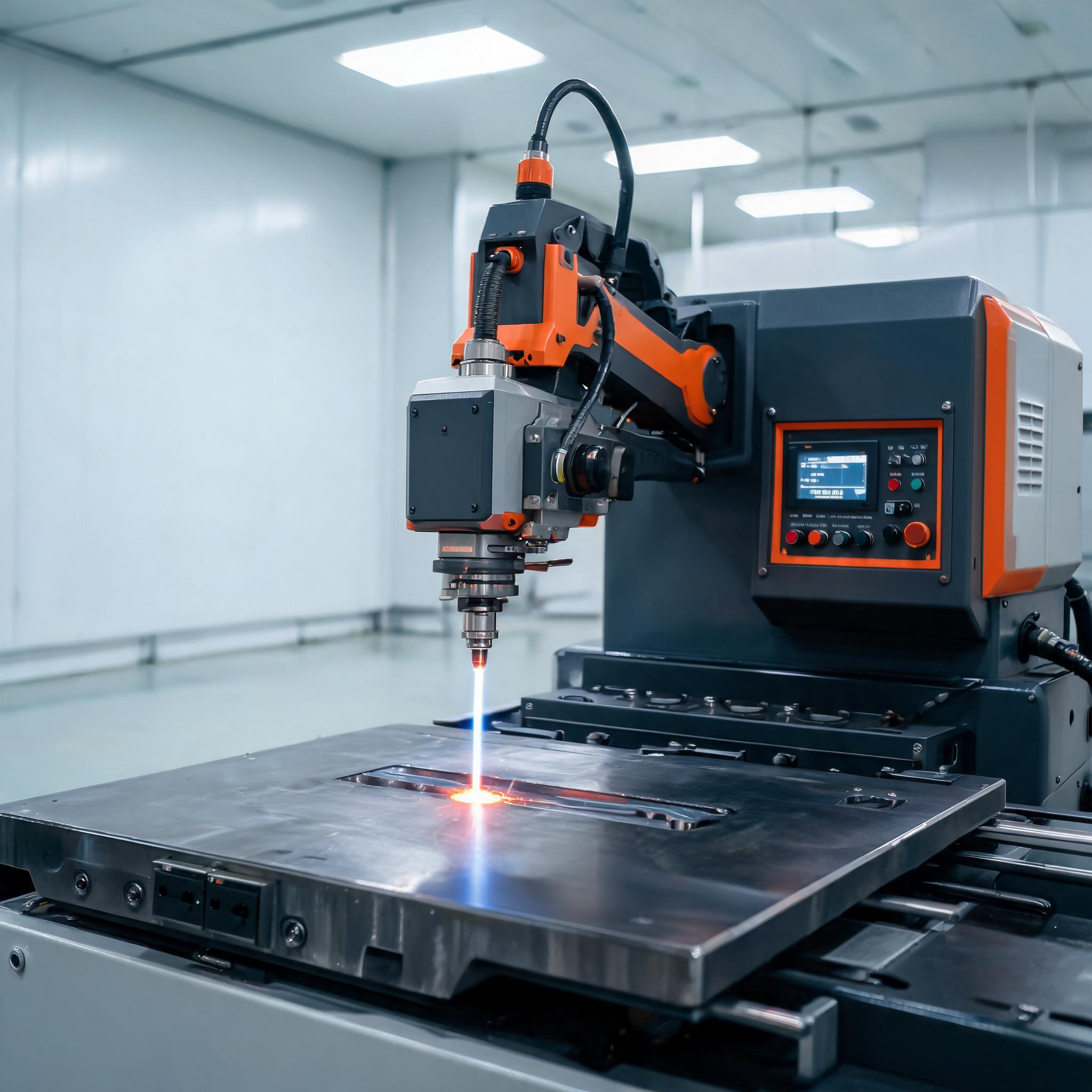
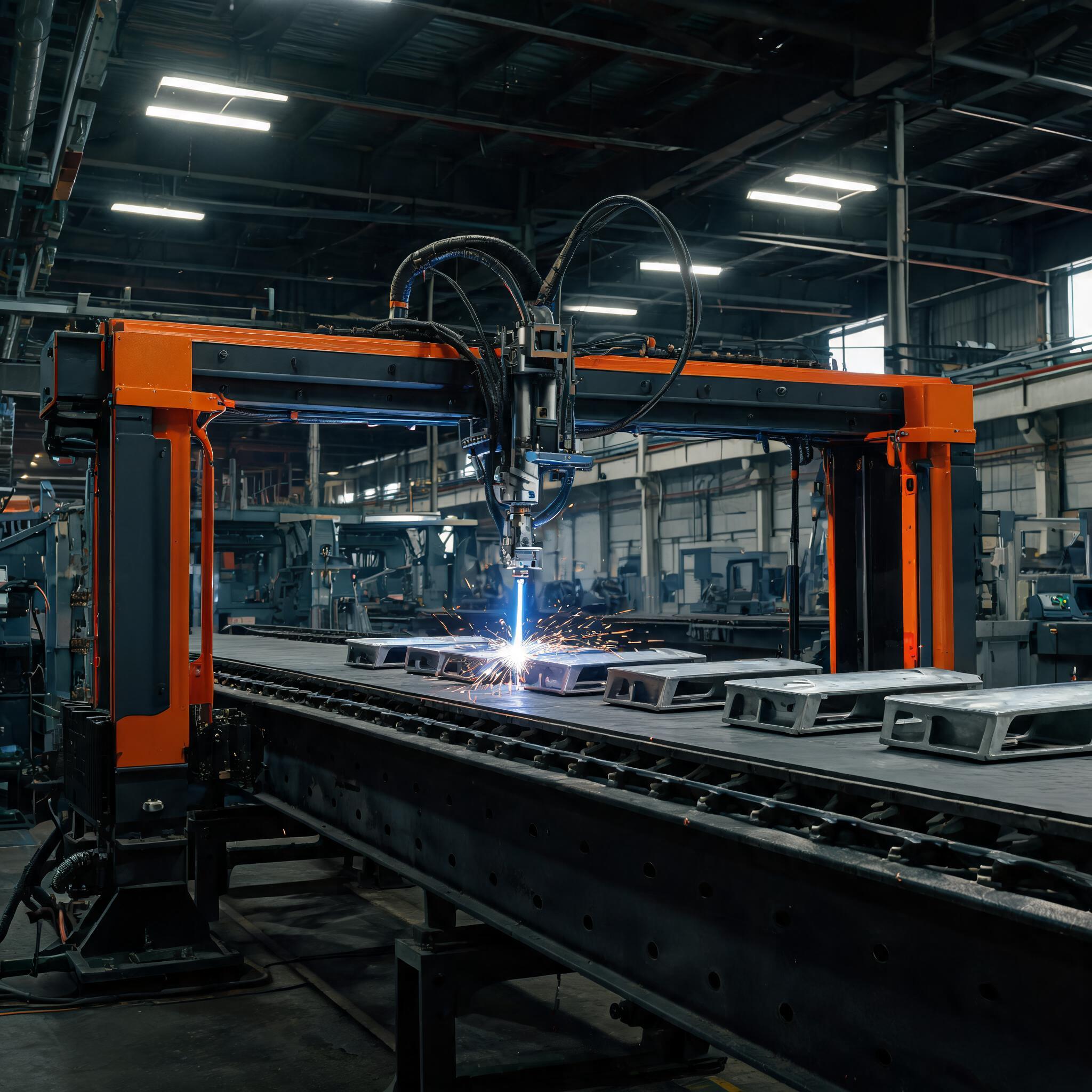
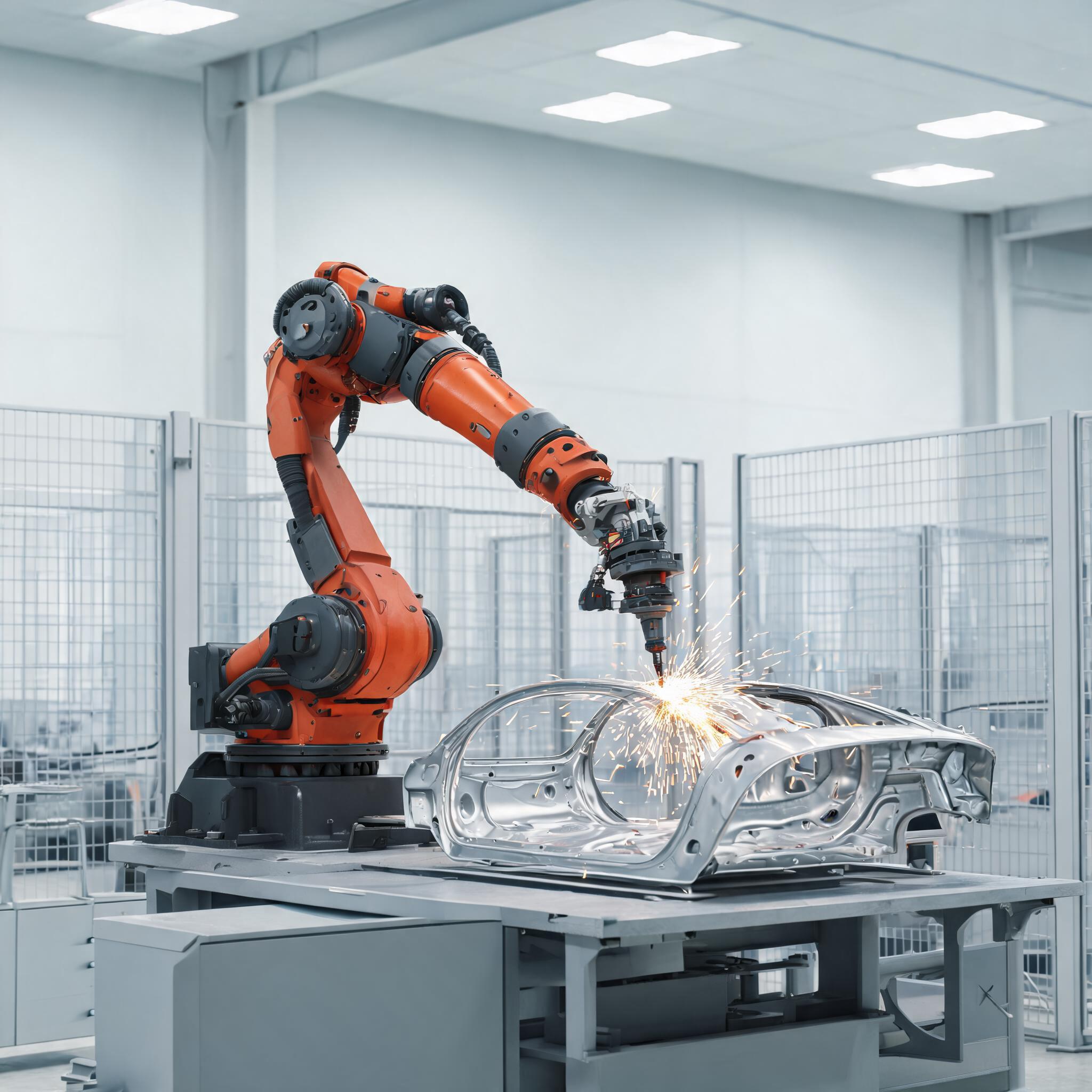
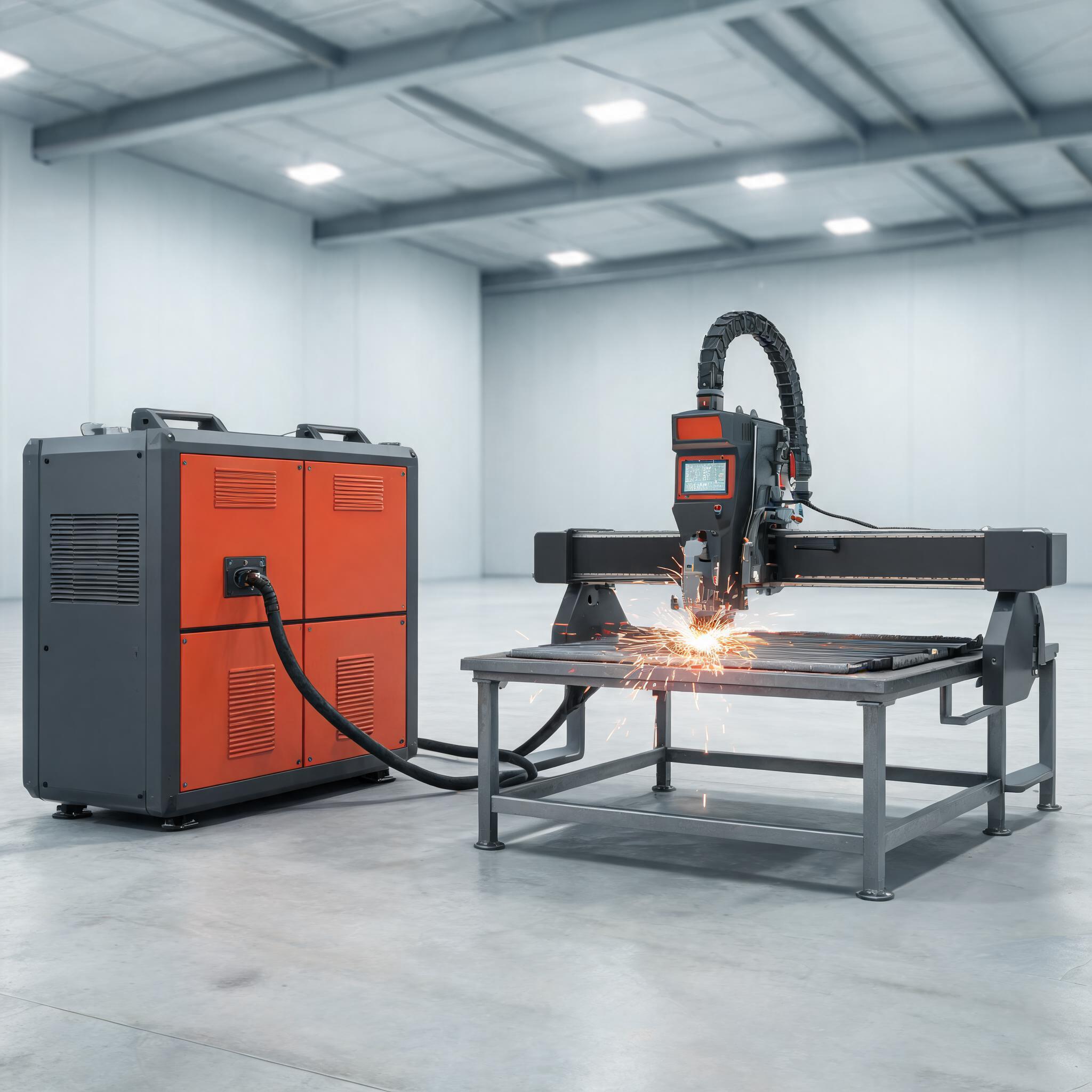
What Is a Laser Welding Cleaning Machine?
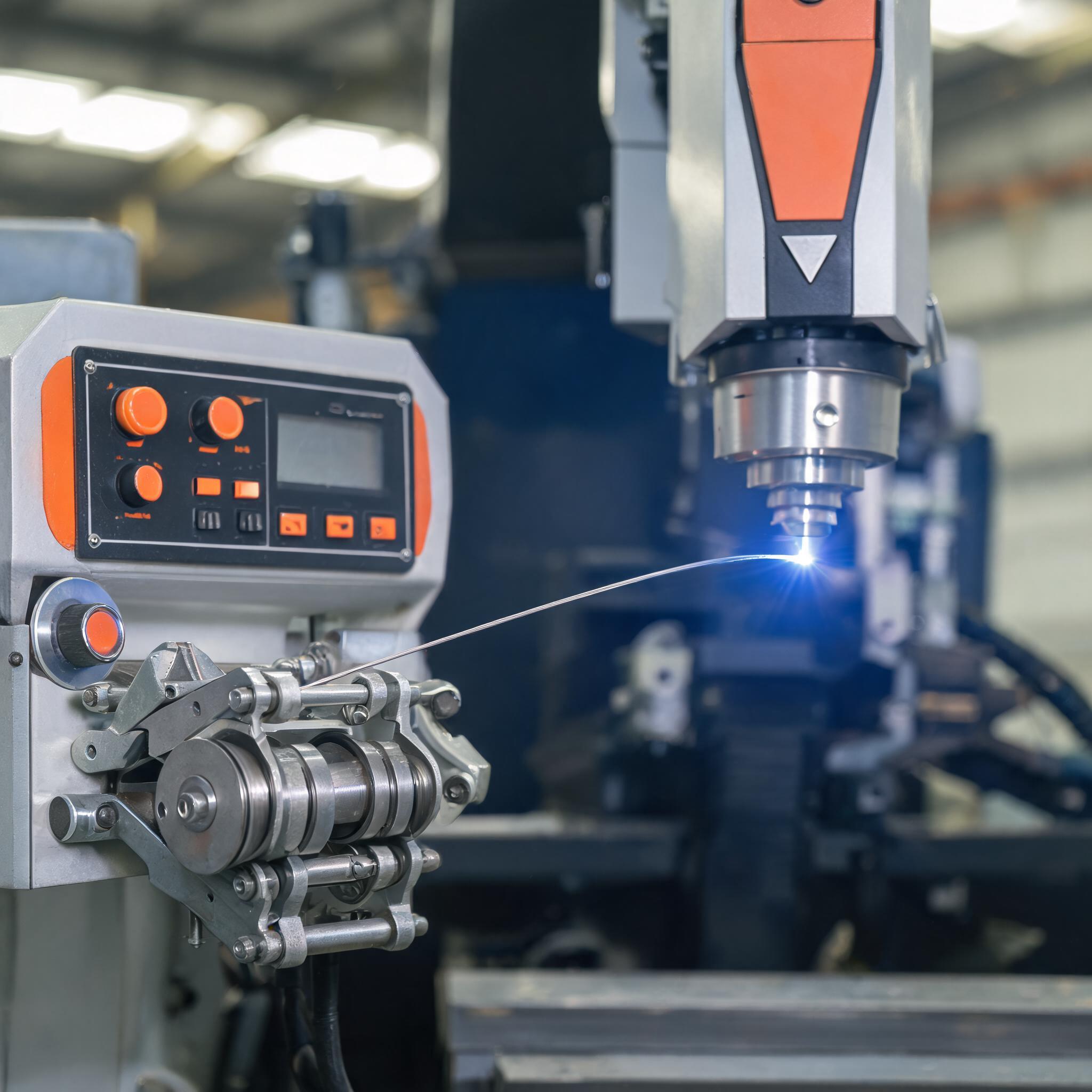
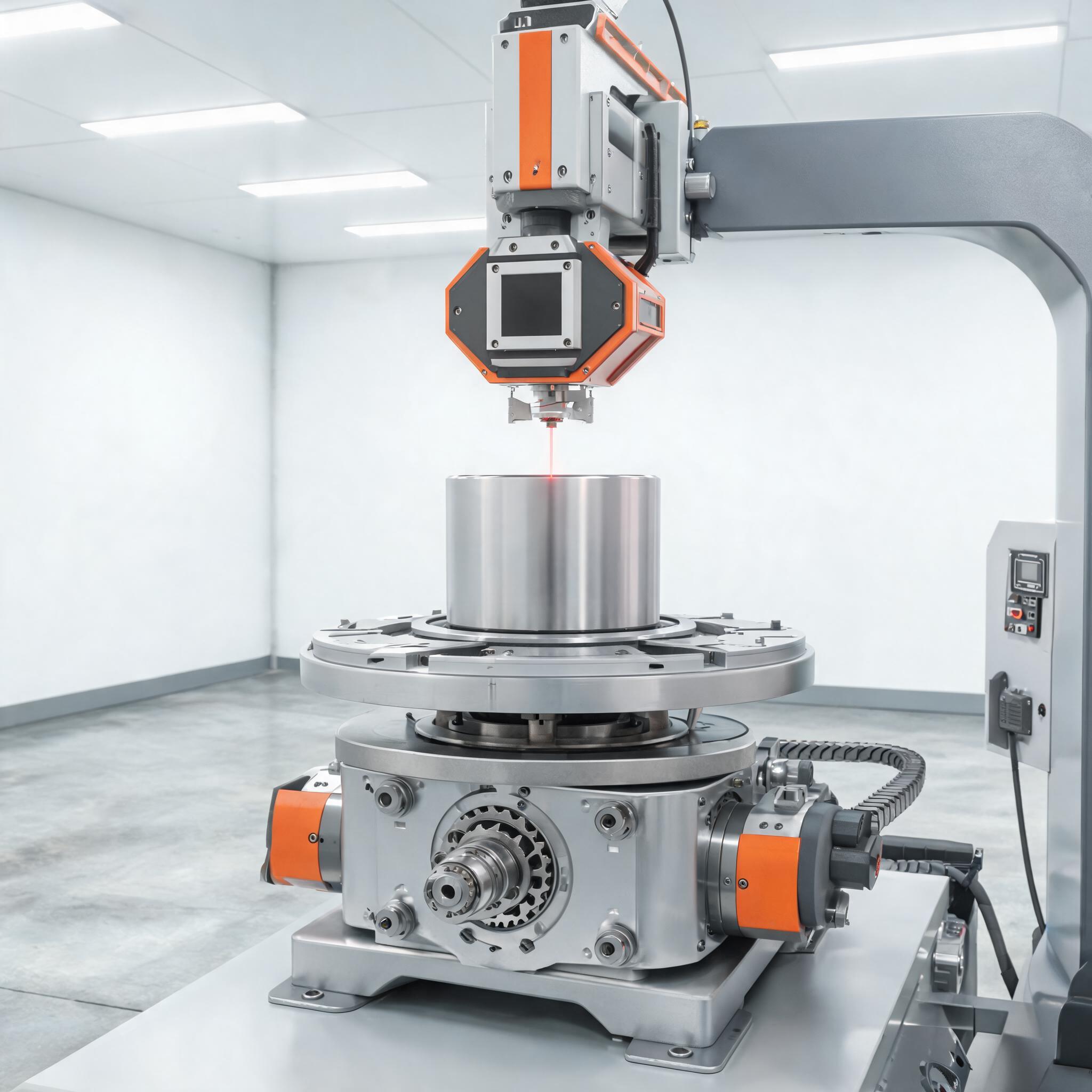
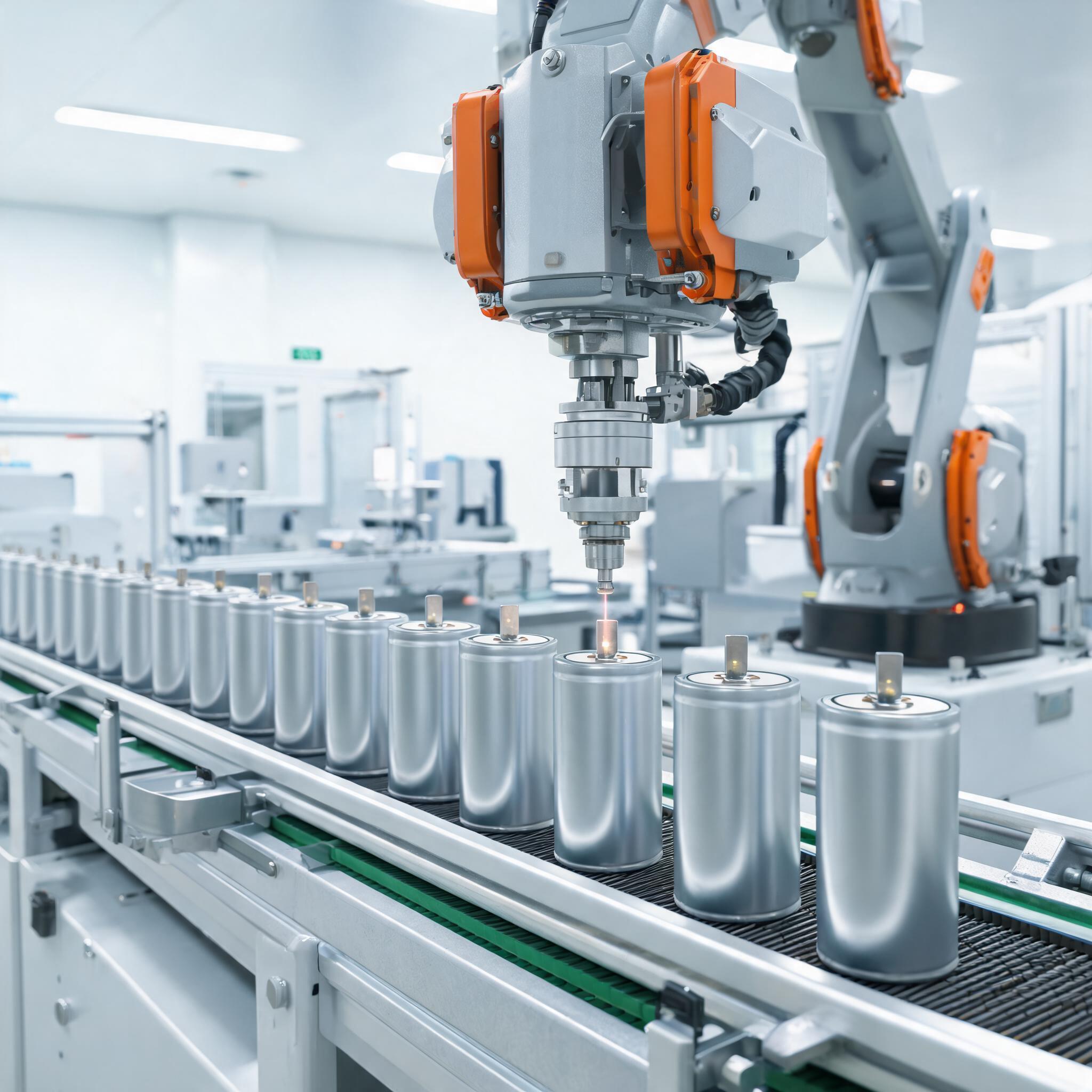
A laser welding cleaning machine combines laser welding and laser cleaning capabilities in a single integrated system, offering manufacturers a versatile tool for both joining and surface preparation. This dual-function equipment uses a fiber laser source typically ranging from 1000W to 2000W that can be switched between welding mode and cleaning mode through parameter adjustment and optical configuration changes. The welding mode delivers focused energy for deep penetration joining, while cleaning mode uses defocused beams with specific pulse parameters to remove rust, paint, oxide layers, oil contamination, and other surface deposits without damaging the base material.
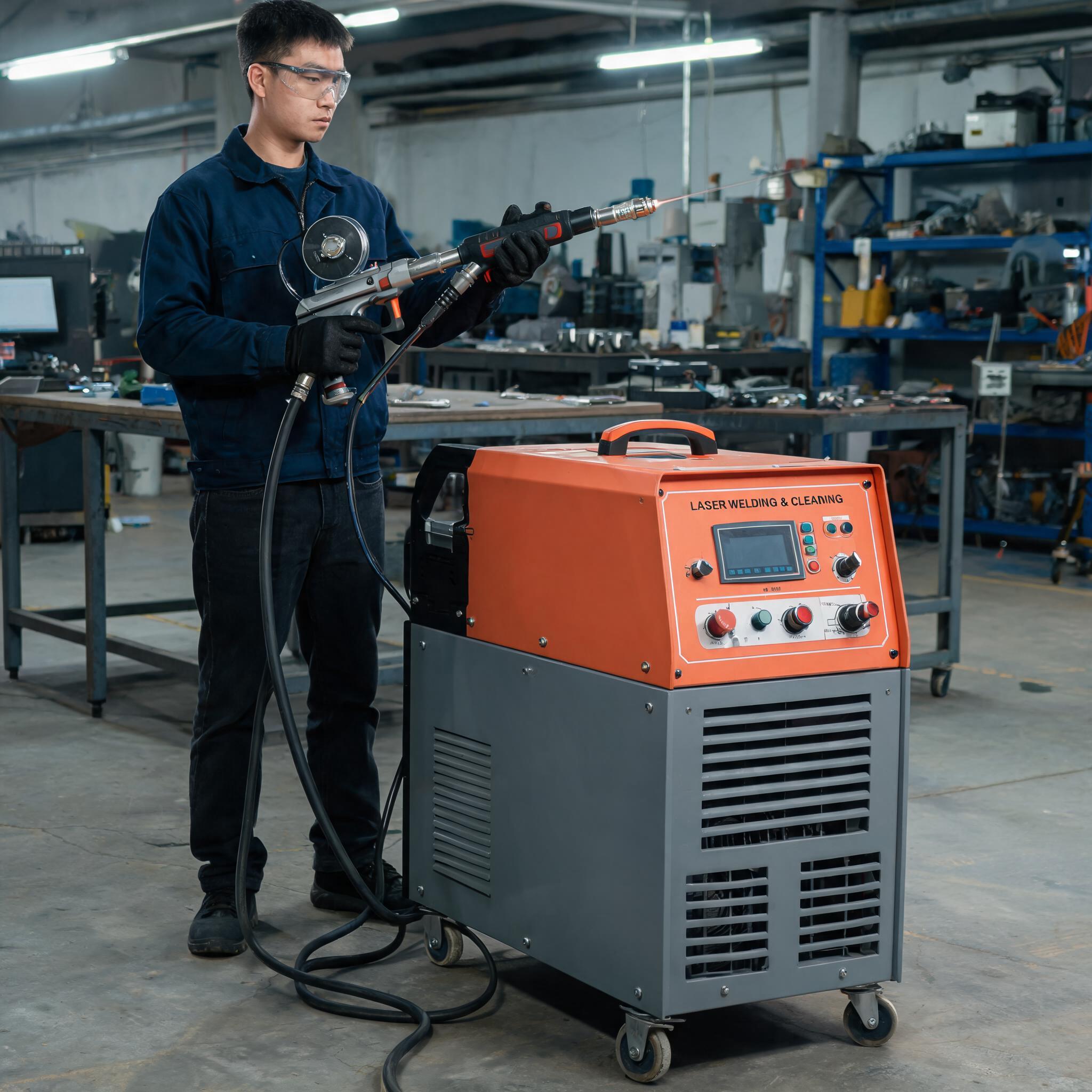
Shandong Xinhong CNC Technology manufactures multi-function laser welding cleaning machines that serve automotive repair, mold maintenance, shipbuilding, and heavy equipment industries. Our systems integrate continuous welding, pulse welding, and laser cleaning into a single handheld platform, reducing equipment investment and workshop floor space requirements for operations that need both capabilities.
How Laser Cleaning Technology Works
Laser cleaning exploits the differential absorption of laser energy between contaminants and the substrate. When a high-energy laser pulse strikes the surface, contaminants absorb the energy and vaporize or sublimate, while the underlying metal reflects most of the energy due to its higher reflectivity at the laser wavelength. This selectivity allows cleaning without mechanical abrasion, chemical solvents, or media blasting.
The cleaning process relies on several mechanisms operating simultaneously. Thermal expansion mismatch between contaminant and substrate causes the contaminant to detach. Plasma shock waves generated by rapid vaporization dislodge adhered particles. Direct ablation vaporizes organic contaminants and oxide layers. The combination achieves thorough cleaning across diverse contaminant types.
Key cleaning parameters include laser power (typically 1000 to 2000W in welding-cleaning combo machines), pulse frequency (20 to 200 kHz), pulse width (10 to 200 ns), scanning width (10 to 150mm), and scanning speed (100 to 20000 mm/s). Adjusting these parameters optimizes cleaning for specific contaminants and substrates.
Multi-Function System Configurations
Laser welding cleaning machines are available in several configurations to suit different production requirements:
2-in-1 welding and cleaning: Combines continuous laser welding with laser cleaning in one system. A mode switch on the controller changes between welding and cleaning parameters. The same handheld gun performs both functions with different focusing optics. This configuration suits fabrication shops that need both joining and surface preparation.
3-in-1 welding, cutting, and cleaning: Adds light cutting capability (typically up to 3mm carbon steel) to the welding-cleaning platform. The cutting function uses the same laser source with different nozzle and gas assist. This configuration provides maximum versatility for repair shops, maintenance departments, and small fabrication businesses.
Fixed cleaning head with handheld welder: Some configurations pair a handheld welding gun with a fixed cleaning head mounted on a CNC gantry or robot arm. This setup suits production lines where cleaning is automated but welding remains manual.
Xinhong helps buyers select the configuration that matches their application mix, production volume, and budget. The 3-in-1 configuration has become increasingly popular due to its flexibility and favorable cost per function.
Applications Across Industries
The dual welding-cleaning capability serves diverse industrial applications:
Automotive repair and restoration: Laser cleaning removes rust, paint, and undercoating from vehicle bodies and chassis without damaging the underlying metal. Subsequent laser welding repairs cracks, holes, and structural damage. The combination eliminates media blasting equipment, reduces dust, and speeds turnaround.
Mold and die maintenance: Injection molds, stamping dies, and casting molds accumulate residue, rust, and release agents over production cycles. Laser cleaning restores mold surfaces to original condition without abrasion that could alter critical dimensions. Laser welding repairs worn edges and surface damage.
Shipbuilding and marine: Saltwater exposure causes extensive corrosion on ship hulls, bulkheads, and deck equipment. Laser cleaning removes marine growth and rust in localized areas. Laser welding repairs corroded plate and structural members. The portable nature of handheld systems enables on-vessel work.
Heavy equipment maintenance: Mining equipment, construction machinery, and agricultural equipment require frequent surface preparation before repair welding. Laser cleaning eliminates grinding and wire brushing, reducing labor and improving weld quality by ensuring contaminant-free surfaces.
Rail and infrastructure: Rail tracks, switches, and structural steel components benefit from laser cleaning to remove oxidation and corrosion. Laser welding restores worn surfaces and repairs fatigue cracks. The precision of laser processing minimizes disruption to adjacent track components.
Cleaning Capabilities by Contaminant Type
Different contaminants require specific parameter settings for effective removal:
| Contaminant | Removal Method | Typical Speed | Surface Effect |
|---|---|---|---|
| Rust and oxide | Ablation | 0.5 to 2 m2/hour | Clean metal exposed |
| Paint and coatings | Thermal decomposition | 1 to 3 m2/hour | No substrate damage |
| Oil and grease | Vaporization | 2 to 5 m2/hour | Degreased surface |
| Weld spatter | Ablation and shock | 0.2 to 1 m2/hour | Smooth surface |
| Soot and carbon | Vaporization | 2 to 4 m2/hour | Original surface restored |
Cleaning speed varies with contaminant thickness, substrate reflectivity, and required cleanliness level. Multiple passes may be needed for thick rust or multiple paint layers. The non-contact process preserves surface geometry and avoids embedding particles as abrasive methods can.
Selecting Laser Power for Combined Welding and Cleaning
Power selection for a combined system requires balancing welding penetration needs against cleaning efficiency:
1000W systems: Sufficient for light welding (up to 3mm stainless steel) and effective cleaning of light to medium contamination. Lower investment cost. Cleaning speed is moderate. Best for maintenance shops where heavy welding is infrequent.
1500W systems: The most versatile power level. Welds stainless steel up to 4mm. Cleaning speed is 30 to 50 percent faster than 1000W. Good balance of capability, cost, and portability. The recommended choice for most combined welding-cleaning applications.
2000W systems: Welds stainless steel up to 5mm and carbon steel up to 6mm. Cleaning speed is the fastest in the handheld range. Higher cost and power consumption. Best for operations where both heavy welding and extensive cleaning are regular requirements.
Consider the thickest material you regularly weld and the most challenging contaminant you need to remove. If either requirement pushes toward higher power, select accordingly. Underpowering leads to slow production; overpowering wastes investment and increases operating costs.
Safety Considerations for Combined Systems
Laser welding cleaning machines present unique safety considerations beyond welding-only systems:
Vapor and particle management: Cleaning operations generate significant vapor from contaminant vaporization. Unlike welding fumes, cleaning vapors may contain paint residues, oil decomposition products, and other potentially hazardous compounds. High-capacity fume extraction with HEPA and activated carbon filtration is essential.
Reflected beam hazard: Cleaning operations direct the laser at a surface that may be reflective, especially after contaminant removal reveals clean metal. The reflected beam can scatter unpredictably. Enclosures or controlled areas with non-reflective surfaces are critical. Operators must wear appropriate laser safety eyewear at all times.
Fire risk from vaporized contaminants: Paint and oil vapors are flammable. Ensure adequate ventilation to prevent vapor accumulation. Remove combustible materials from the cleaning area. Some contaminants may reignite after laser exposure. Keep fire extinguishers accessible.
Electromagnetic compatibility: High-frequency pulse generation for cleaning mode can produce electromagnetic interference. Maintain separation from sensitive electronic equipment. Ground the machine properly. Some environments may require EMC assessment.
Comparing Laser Cleaning to Traditional Methods
Understanding the advantages and limitations of laser cleaning versus conventional surface preparation helps buyers make informed decisions:
vs. Sandblasting: Laser cleaning produces no abrasive waste, eliminates dust, and can be used on delicate surfaces. However, sandblasting processes larger areas faster and costs less for heavy rust removal. Laser cleaning excels for localized, precision cleaning where surface preservation matters.
vs. Chemical cleaning: Laser cleaning uses no solvents or acids, eliminating hazardous waste disposal. It can be performed in open areas without containment. Chemical cleaning may be more effective for complex geometries and internal passages where laser access is limited.
vs. Grinding and wire brushing: Laser cleaning is non-contact and preserves surface dimensions. It accesses tight spaces and complex geometries. Grinding is faster for heavy material removal but alters surface geometry and generates dust. Laser cleaning is preferred for precision components and finished surfaces.
vs. Dry ice blasting: Both methods are non-abrasive. Laser cleaning is more precise and can achieve higher energy density. Dry ice blasting is better for large area cleaning and can be used on temperature-sensitive materials. Laser cleaning requires line-of-sight access; dry ice can clean around some obstructions.
Integration with Existing Production Workflows
Successfully integrating a laser welding cleaning machine into existing operations requires planning:
Pre-weld cleaning station: Position the machine as a pre-weld cleaning station to ensure contaminant-free joint surfaces. Clean joints immediately before welding to prevent recontamination. This workflow improves weld quality and reduces defects related to surface contamination.
Post-weld cleaning: Use cleaning mode to remove weld discoloration, spatter, and oxidation around welds. This produces clean, visually acceptable welds without grinding or pickling. The process is faster and produces no mechanical surface damage.
Maintenance scheduling: Schedule regular cleaning of molds, tooling, and equipment surfaces to prevent contaminant buildup. Preventive cleaning extends tool life and maintains product quality consistency.
Training for mode switching: Operators must understand the parameter differences between welding and cleaning modes. Incorrect settings can damage surfaces or produce ineffective cleaning. Xinhong provides preset parameter libraries and training on mode selection.
Maintenance Requirements for Combined Systems
Combined welding-cleaning machines have additional maintenance considerations:
Field lens care: The field lens (F-theta lens) in the scanning head is critical for both welding and cleaning. Contaminant vapor during cleaning can deposit residue on the lens. Inspect after every cleaning session. Clean with lens tissue and isopropyl alcohol. Replace if pitting or coating damage is visible.
Galvanometer maintenance: The scanning galvanometer that directs the laser beam during cleaning contains precision mirrors and motors. Avoid mechanical shock to the scanning head. If cleaning performance becomes inconsistent, galvanometer calibration may be needed. This typically requires factory service.
Filter replacement: Fume extraction filters load faster during cleaning operations due to higher vapor volume. Monitor filter pressure drop. Replace HEPA filters when pressure drop exceeds manufacturer specification. Activated carbon filters require replacement when odor breakthrough occurs.
Mode switch mechanism: If the system uses a physical mode switch (different optics for welding vs cleaning), inspect the mounting and alignment regularly. Misalignment causes beam quality degradation. If the system uses software mode switching, ensure firmware is updated for optimal parameter control.
Cost Analysis: Combined vs Separate Machines
Buyers often weigh purchasing a combined welding-cleaning machine against separate dedicated units:
Combined system advantages: Lower total investment than two separate machines. Less workshop floor space. Single power connection and cooling system. Simplified maintenance with one machine to service. Operator trains on one platform.
Combined system limitations: Cannot weld and clean simultaneously. Lower peak performance in each mode compared to dedicated machines. Mode switching adds setup time between tasks. If one function fails, both are unavailable during repair.
Dedicated machine advantages: Each machine optimized for its function. Can operate simultaneously (one operator welds while another cleans). Higher throughput for high-volume single-function operations. Failure of one machine does not stop the other function.
For operations where welding and cleaning each represent more than 30 percent of daily work, dedicated machines may be more productive. For operations where cleaning is occasional or supplementary to welding, the combined system offers better value.
Frequently Asked Questions About Laser Welding Cleaning Machines
Can one machine really do both welding and cleaning effectively?
Yes, when properly configured. The laser source provides sufficient energy for both processes. Mode switching adjusts power, pulse parameters, and beam focus. However, peak performance in each mode may be slightly below a dedicated machine. The tradeoff is versatility and cost savings.
Does laser cleaning damage the base metal?
When parameters are set correctly, laser cleaning removes contaminants without damaging the substrate. The key is matching power, pulse frequency, and scanning speed to the contaminant and substrate. Overly aggressive settings can cause surface melting or roughening. Always test on a sample first.
How fast can laser cleaning remove rust?
Cleaning speed depends on rust thickness, substrate type, and laser power. Typical rates range from 0.5 to 2 square meters per hour for moderate rust. Light surface oxidation cleans faster. Heavy, deep rust may require multiple passes at lower speed.
Can the cleaning function remove powder coating?
Yes, laser cleaning effectively removes powder coating through thermal decomposition. Multiple passes may be needed for thick coatings. The process produces vapor that requires extraction. The underlying metal is not damaged when parameters are correct.
What is the difference between pulse cleaning and continuous cleaning?
Pulse cleaning uses short, high-peak-power pulses that ablate contaminants with minimal thermal effect on the substrate. Continuous cleaning uses lower-power continuous beams that heat and vaporize contaminants. Pulse cleaning is more precise and substrate-friendly; continuous cleaning is faster but transfers more heat.
Can I clean painted surfaces without removing the paint I want to keep?
Laser cleaning is inherently selective based on energy absorption differences. However, achieving clean boundaries between cleaned and preserved areas requires careful technique and parameter control. Practice on samples is essential. Masking can protect adjacent areas but may be damaged by reflected laser energy.
What maintenance does the cleaning function require?
Primary maintenance items include field lens inspection and cleaning after each session, fume extraction filter replacement, and galvanometer performance monitoring. The cleaning function generates more vapor and particle residue than welding, so lens and filter maintenance frequency is higher.
Is a combined system suitable for production line use?
For moderate production volumes, yes. For high-volume dedicated cleaning or welding production lines, separate optimized machines are typically more productive. The combined system is most valuable in job shops, maintenance departments, and fabrication businesses with varied daily tasks.
What safety equipment is needed for cleaning operations?
In addition to laser safety eyewear rated for the laser wavelength, cleaning operations require high-capacity fume extraction, fire-resistant work area setup, and respiratory protection if filtration is inadequate. The vaporized contaminants may contain hazardous compounds depending on the material being cleaned.