
High Power Fiber Laser Cutting Machines: An Overview
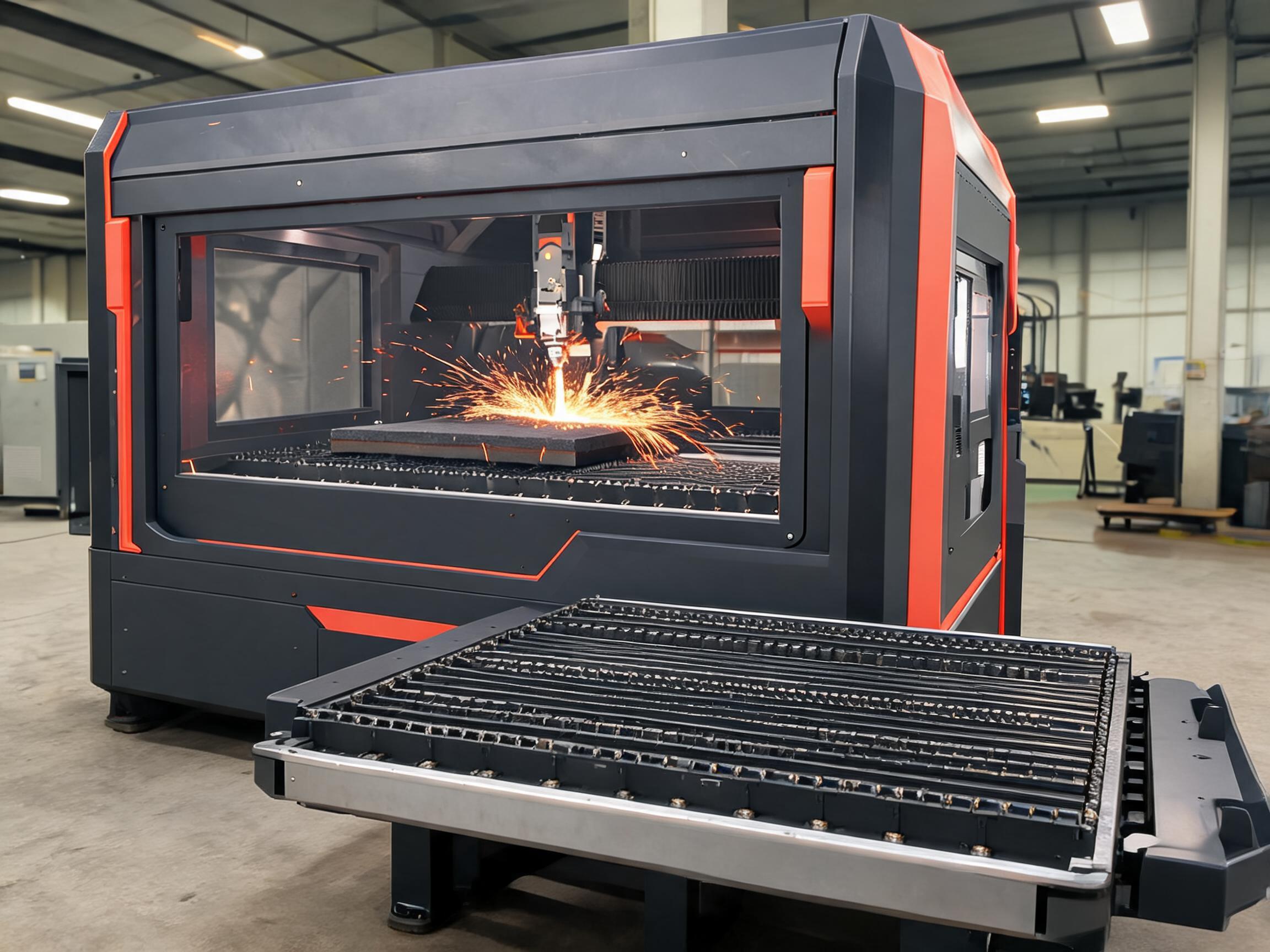
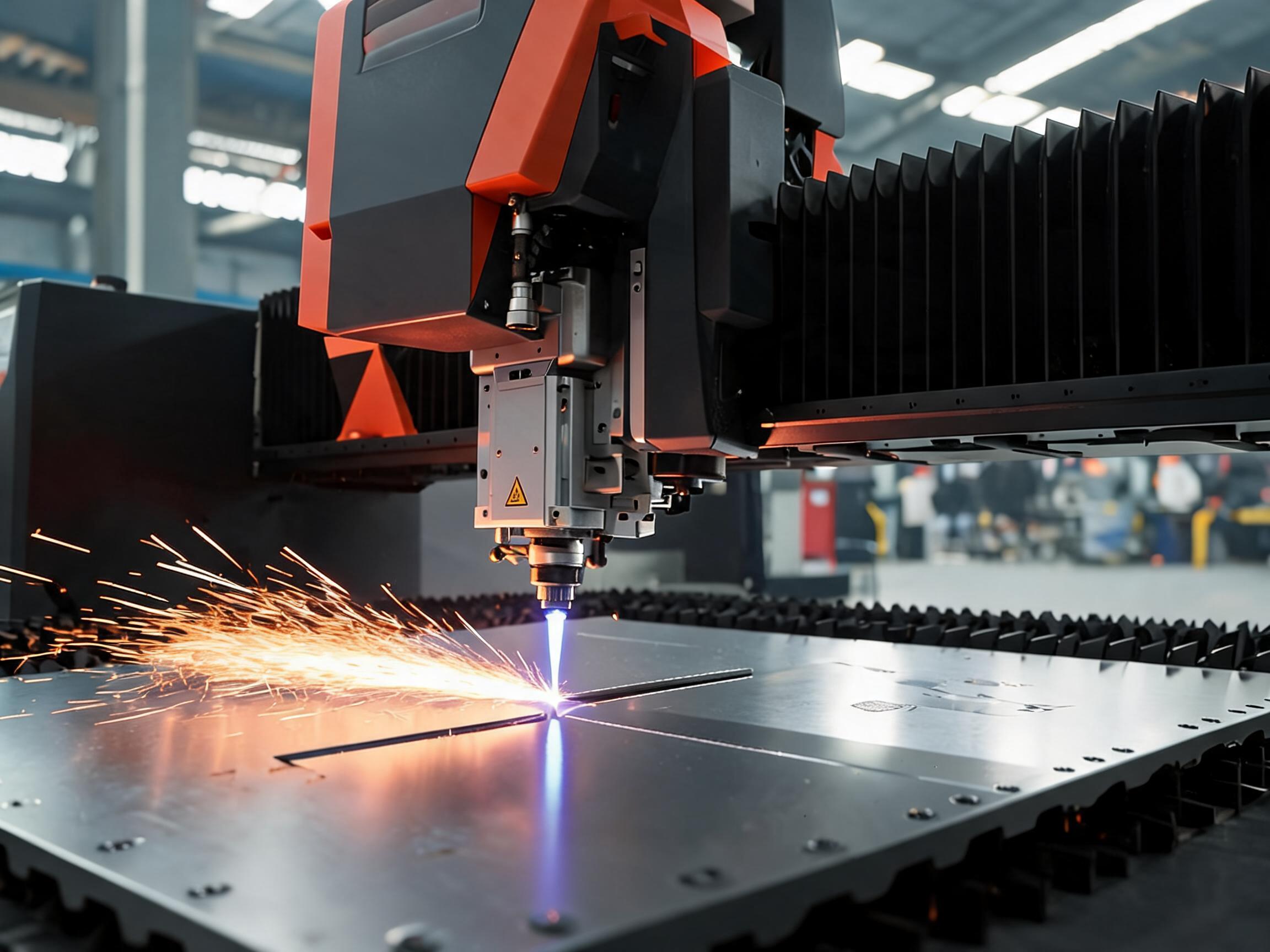
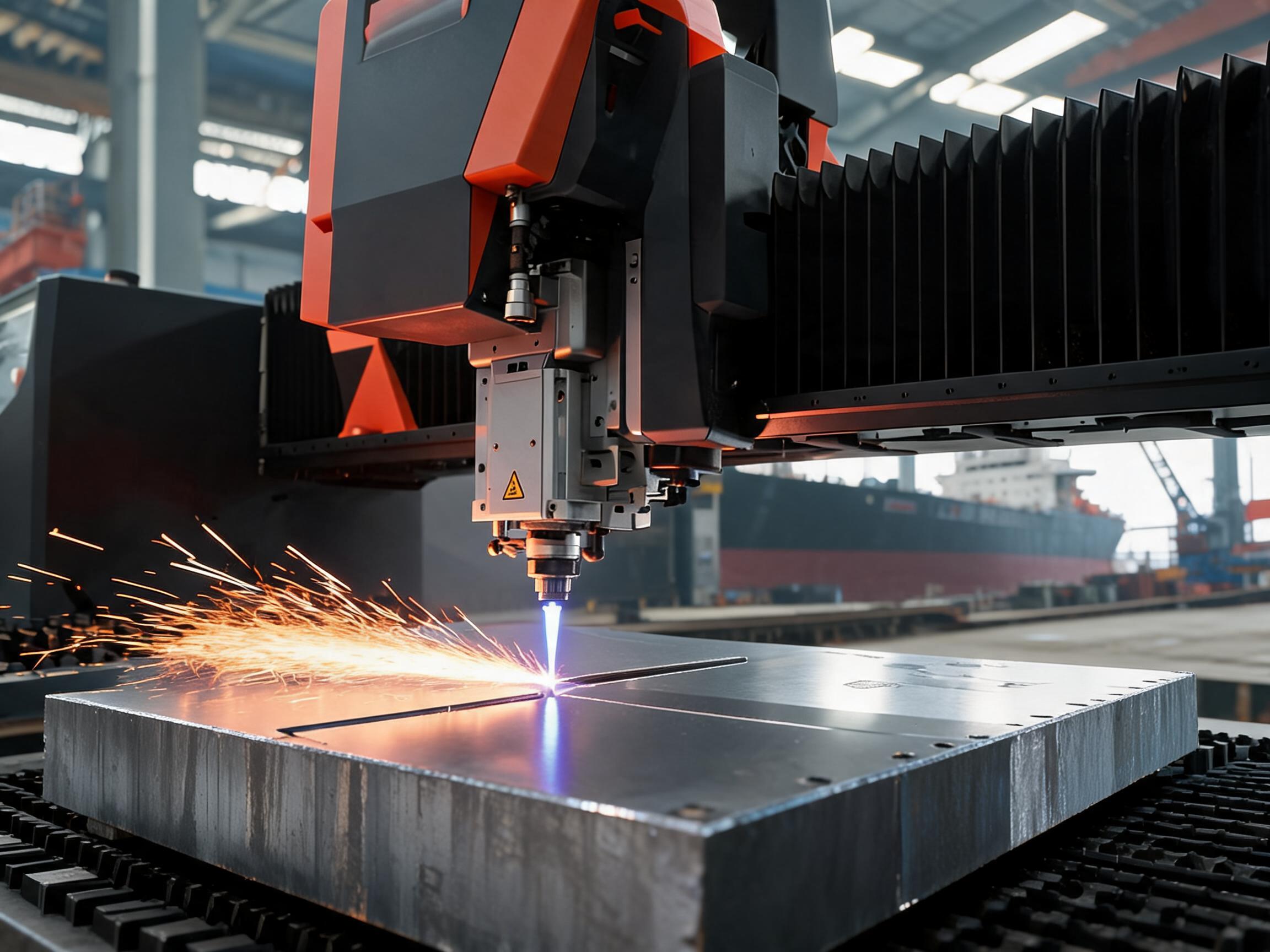
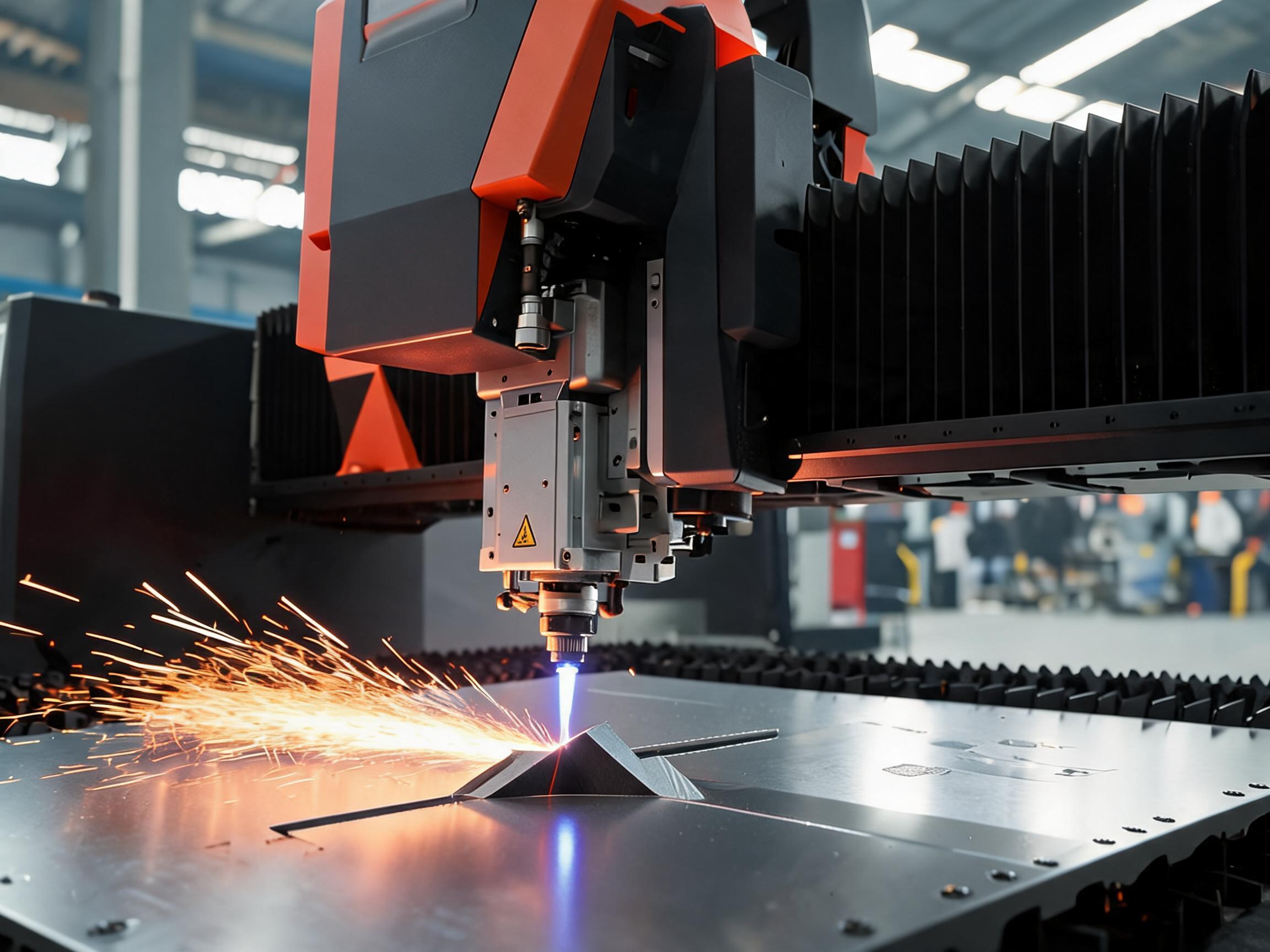
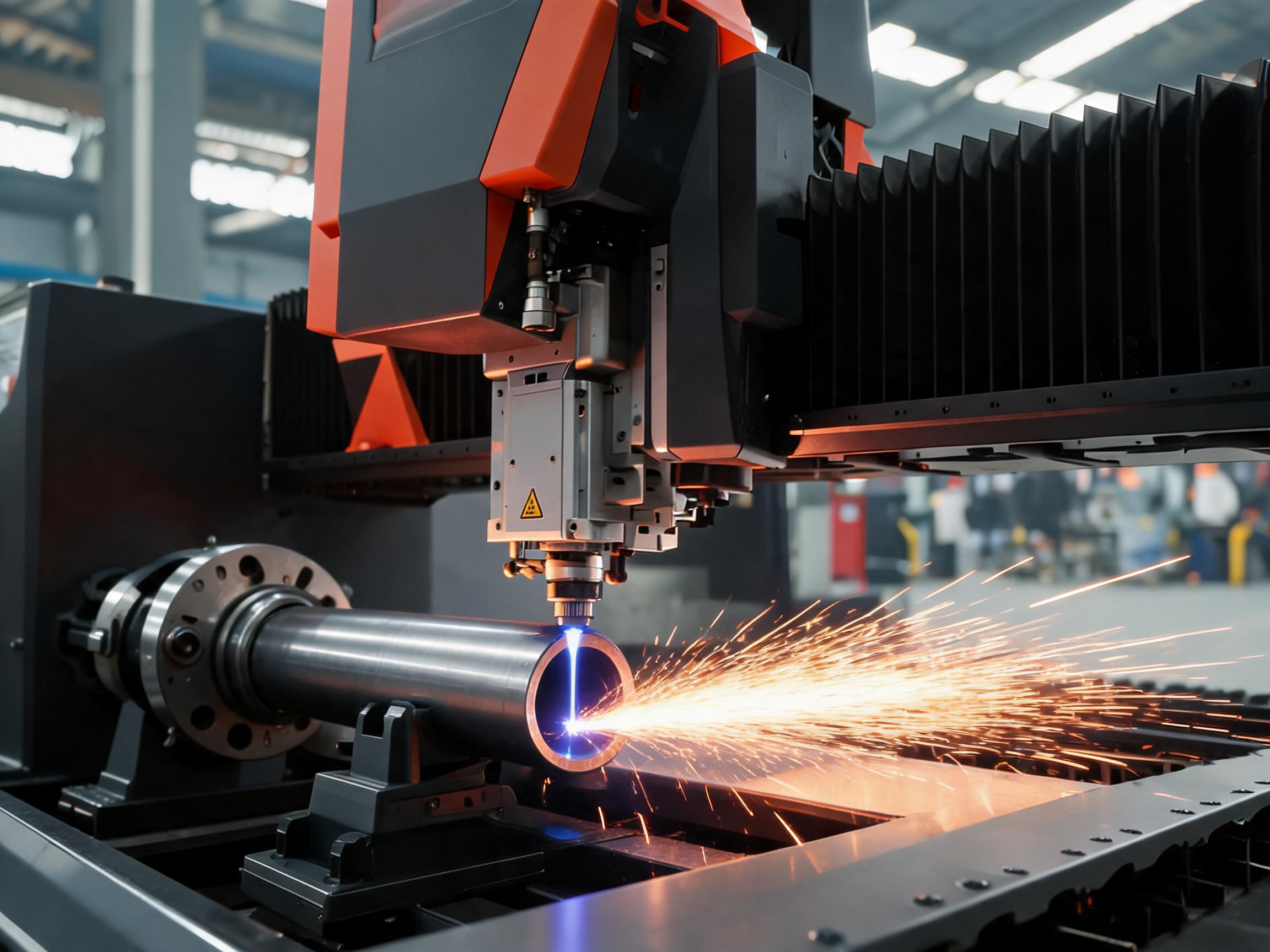
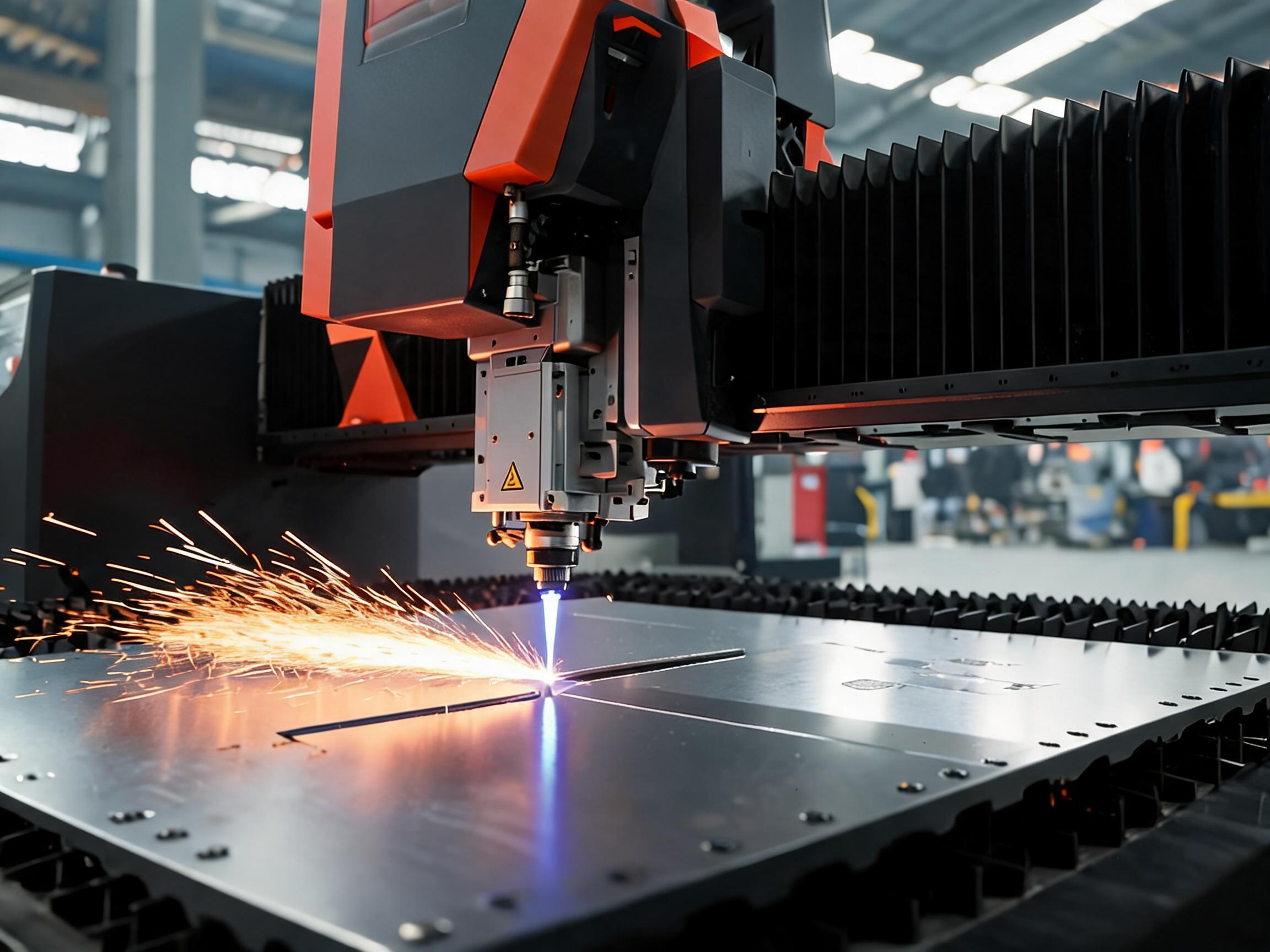
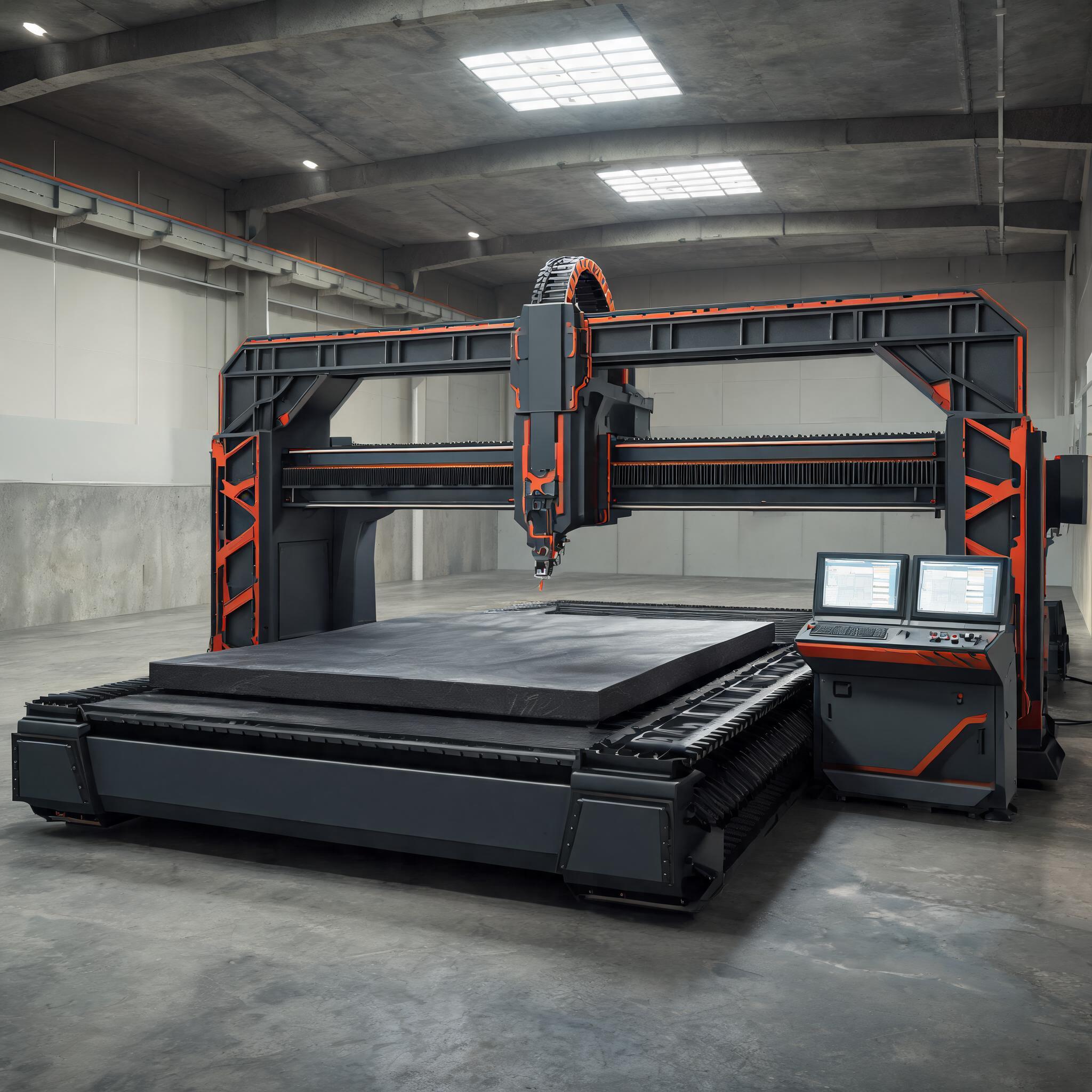
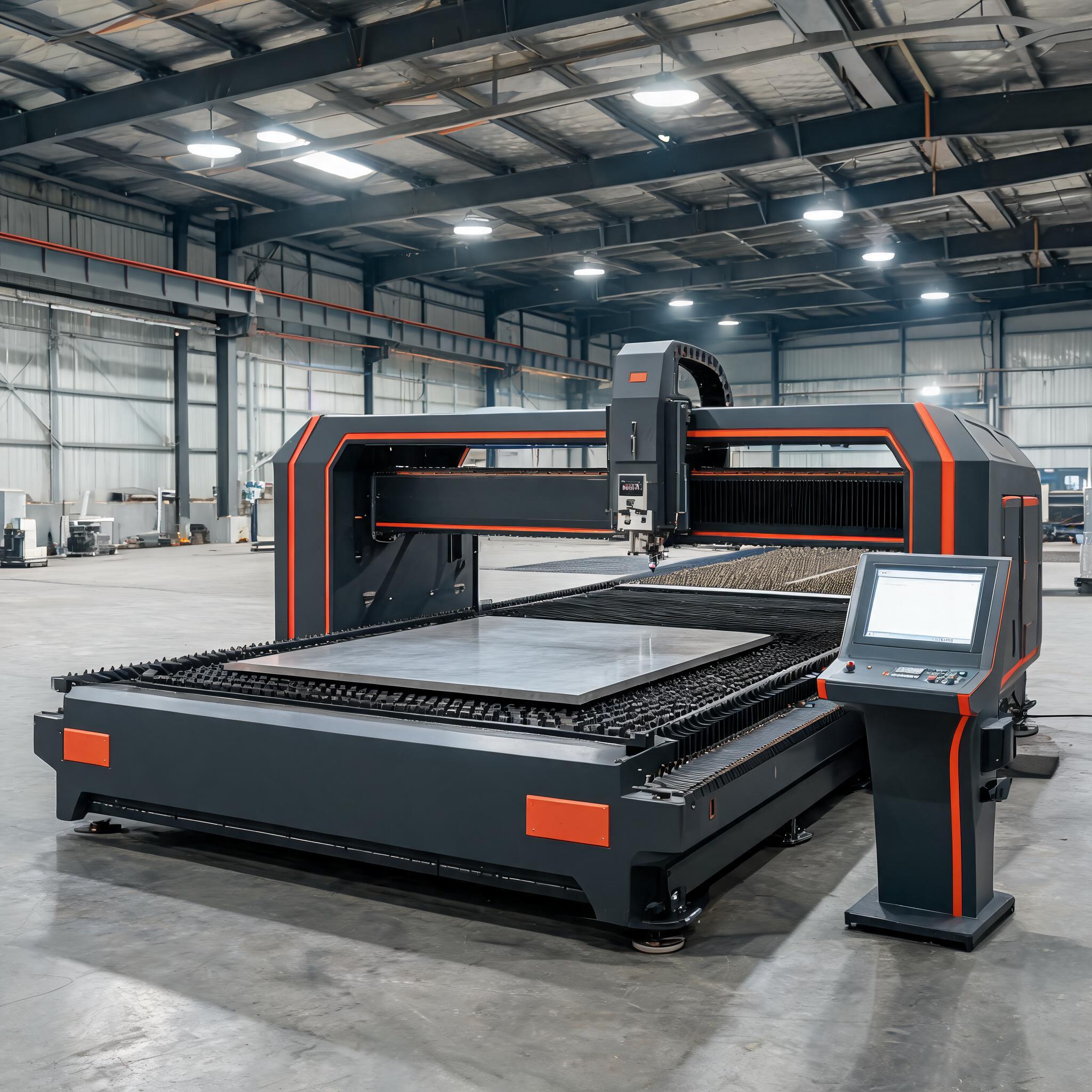
High power fiber laser cutting machines, generally classified as 8000W and above, represent the cutting edge of industrial metal fabrication technology. These machines serve heavy industries including shipbuilding, construction machinery, pressure vessel manufacturing, wind energy, and defense. Unlike medium-power systems optimized for sheet metal, high-power machines handle thick plates where plasma cutting and oxy-fuel have been the traditional standards. Xinhong CNC's high-power lineup spans 8000W to 30000W, with working areas from 1500x3000mm to 2500x12000mm for specialized applications.
Power Classes and Their Application Sweet Spots
Understanding which power class fits your application prevents over-investment and under-utilization:
| Power Class | Optimal Material Range | Primary Applications | Typical Buyer Profile |
|---|---|---|---|
| 8kW-10kW | 1-20mm carbon steel | General fabrication, structural steel | Job shops transitioning from medium power |
| 12kW-15kW | 3-30mm carbon steel | Heavy machinery, construction equipment | Fabricators upgrading from plasma |
| 20kW-24kW | 5-40mm carbon steel | Shipbuilding, bridge components, pressure vessels | Heavy industry manufacturers |
| 30kW+ | 10-50mm+ carbon steel | Ultra-heavy plate, specialized defense/aerospace | Strategic infrastructure suppliers |
The key insight is that higher power does not simply mean faster cutting across all thicknesses. The advantage of high power becomes significant above 12mm for carbon steel and above 8mm for stainless steel. Below these thresholds, medium-power machines (3kW-6kW) deliver comparable or superior results at lower operating costs.
Beam Quality and Cutting Dynamics
High-power laser cutting is not just about raw wattage. Beam quality, measured by the BPP (beam parameter product), determines how tightly the laser can be focused. A smaller focus spot enables higher power density at the cutting front, which directly affects maximum thickness, cutting speed, and edge quality. Premium laser sources like IPG maintain excellent BPP even at 20kW+ power levels, while lower-cost sources may experience beam quality degradation as power increases.
The cutting head's adaptive optics system plays a crucial role at high power. Auto-focusing heads with capacitive height sensors maintain the optimal focal position relative to the plate surface, compensating for plate flatness variations and thermal expansion during long cuts. The focal lens selection (typically 7.5-inch or 10-inch focal length) affects the depth of focus and cutting performance on different thicknesses. Shorter focal lengths concentrate energy for thin material speed, while longer focal lengths provide the depth of focus needed for thick plate cutting.
Machine Structure and Motion System Engineering
High-power cutting generates substantial reaction forces and thermal loads that the machine structure must handle without compromising accuracy. The gantry structure must be rigid enough to maintain ±0.03mm/m positioning accuracy during high-speed contour cutting on thick plate. Xinhong CNC uses stress-relieved welded steel construction with finite element analysis (FEA) optimized ribbing patterns to maximize stiffness-to-weight ratio.
The motion system typically uses Japan-made Yaskawa servo motors with high-resolution absolute encoders, paired with Taiwan HIWIN or THK linear guide rails and precision rack-and-pinion drives. The drive system must achieve accelerations of 0.8-1.2G for efficient contour cutting while maintaining smooth motion that prevents vibration-induced edge striation. Dual-drive systems on the Y-axis (two motors with electronic synchronization) eliminate gantry skew on wide machines.
Gas Delivery Systems for High-Power Cutting
Assist gas delivery at high power involves more complex plumbing than medium-power machines. The gas pressures and flow rates required for thick plate cutting demand larger-diameter hoses, high-flow regulators, and robust nozzle designs. Oxygen cutting of carbon steel at 20kW+ requires 0.8-2.0 bar nozzle pressure with flow rates of 20-40m3/hour. Nitrogen cutting of stainless steel requires 10-25 bar pressure with flow rates of 40-80m3/hour.
The gas delivery system should include pressure monitoring with alarms for low gas supply, automatic gas type switching for multi-material operations, and safety relief valves. Buyers should verify that the machine's gas control system supports the pressure ranges needed for their material mix. Some machines designed primarily for thin sheet cutting have gas systems that cannot deliver the pressures required for thick plate nitrogen cutting.
Software and Process Optimization
The CypCut control software included with Xinhong CNC machines provides a comprehensive parameter library for common materials and thicknesses. However, high-power cutting often requires parameter customization to achieve optimal results on specific alloys or thickness combinations. Buyers should understand the software's parameter management capabilities: can operators create and save custom cutting parameter sets? Does the software support conditional parameters that adjust speed and power based on contour geometry (corners, circles, straight lines)?
Nesting software integration is another critical factor. Efficient nesting can improve material utilization by 5-15%, which significantly impacts profitability when processing expensive alloys. CypCut includes basic nesting functionality, but operations with complex part mixes may benefit from dedicated nesting software like OptiNest or CAM software integrated through DXF/DWG file exchange.
Installation Planning and Facility Requirements
High-power fiber laser cutting machines require more facility preparation than lower-power models. The combined weight of a 20kW machine with exchange table can exceed 20 tons, requiring a reinforced concrete foundation rated for 2500-3000kg/m2. The floor must be flat within ±2mm over the machine footprint to ensure proper machine leveling. Facilities in seismic zones should consult structural engineers about additional foundation requirements.
Electrical infrastructure is a major consideration. A 20kW machine with all peripherals requires 120-150kVA of 3-phase power at 380V or 400V. Facilities must verify transformer capacity, cable sizing, and circuit breaker ratings. The assist gas infrastructure (oxygen and nitrogen) requires dedicated piping from gas storage to the machine, with pressure regulation and flow monitoring. Compressed air for pneumatic components requires 0.5-0.8MPa at 2-5m3/min with proper filtration and drying.
Quality Assurance and Acceptance Testing
For high-power machine investments, a comprehensive factory acceptance test (FAT) is essential. The FAT should cover: dimensional accuracy verification using laser interferometer or ballbar testing; cutting quality across the full material thickness range; exchange table cycle time measurement; safety system functional testing (interlocks, emergency stops, light curtains); and software functionality verification. Buyers should attend the FAT in person or via live video, and receive a signed test report with all measurements.
Post-installation, establish a quality monitoring routine that tracks cutting performance over time. Key metrics include: edge quality rating (visual standard), dimensional accuracy of benchmark parts, kerf width consistency, and cutting speed for reference thicknesses. Deterioration in any metric signals the need for maintenance or calibration. Xinhong CNC provides benchmark test parts and measurement protocols as part of the installation package.
Total Cost of Ownership Analysis
Beyond the purchase price, buyers must account for: electrical consumption (35-80kW during cutting, depending on power class), assist gas costs (oxygen and nitrogen), consumables (nozzles, protective lenses, filter cartridges), maintenance parts (linear guide lubricant, chiller coolant, seals), and labor (operator, maintenance technician). A 20kW machine operating 2 shifts can consume 250000-400000 kWh annually, representing a significant operating cost that should be factored into pricing calculations.
Compare the total cost per cut part against alternatives: plasma cutting with secondary operations, outsourced laser cutting, or waterjet cutting. High-power fiber laser cutting often wins on total cost per part when accounting for eliminated secondary operations, reduced material waste from better nesting, and faster turnaround times.
Frequently Asked Questions
What distinguishes a high-power fiber laser from a medium-power one?
High-power machines (8kW+) feature reinforced structures, higher-capacity cooling systems, more powerful electrical systems, and gas delivery systems rated for higher pressures and flow rates. The cutting head and optical path components are also upgraded to handle higher energy levels.
What is the maximum thickness a high-power machine can cut?
Our 30kW machine cuts carbon steel up to 50mm, stainless steel up to 40mm, and aluminum up to 30mm. Practical limits depend on edge quality requirements: structural-grade cuts are possible at maximum thickness, while precision-grade cuts may require staying 20% below maximum.
How long does installation take?
5-7 days for standard configurations. This includes machine assembly, laser alignment, axis calibration, parameter setup, and operator training. Custom configurations or multi-machine installations may require additional time.
What is the typical ROI period?
18-36 months for operations processing 500+ tons annually of 12mm+ plate. ROI depends on current processing method, material mix, labor costs, and outsourcing rates. We can provide a customized ROI analysis based on your specific operation.
Are spare parts readily available?
Yes. We maintain inventory of common consumables and spare parts. Standard items ship within 3-7 days. Laser source modules and major components ship within 7-14 days. Critical warranty parts can be expedited within 48 hours.
What training is provided?
5-7 days of on-site training covering: machine operation, CypCut software, parameter optimization for different materials, daily and periodic maintenance, troubleshooting common issues, and safety procedures. Additional training sessions can be arranged.
Can the machine process plates larger than the working area?
Yes, with the continuous cutting function. The machine can index large plates by repositioning, though this requires operator intervention and reduces throughput. For production cutting of oversized plates, consider a custom working area configuration.
What is the machine's expected service life?
The machine frame and motion system are designed for 15+ years of industrial service. The laser source has a rated lifespan of 80000-100000+ hours. Electronics and control systems typically last 8-10 years before requiring upgrades. Proper maintenance significantly extends service life.
Do you offer custom machine configurations?
Yes. We build custom working areas, multi-axis configurations (tube cutting, bevel cutting), and specialized automation integrations. Custom projects require 45-90 days depending on complexity. Contact us with your specific requirements.
How do you handle international shipping and customs?
We handle FOB or CIF shipping terms. Machines are packed in steel frame crates with moisture protection. We provide all necessary documentation for customs clearance, including CE certificates, packing lists, and commercial invoices. Buyers handle import duties and local transportation.