
Understanding laser welding cleaning machine Technology and Applications
A 1500W laser welding machine represents the optimal power level for precision metal joining across light to medium gauge materials. This output delivers sufficient energy density for full-penetration welds on stainless steel up to 4mm, carbon steel up to 5mm, and aluminum up to 2mm, while maintaining the control needed for thin-sheet applications. The 1500W power class balances welding speed, penetration depth, and equipment cost, making it the most widely adopted laser welding power level in sheet metal fabrication, automotive component manufacturing, and consumer goods production.
Shandong Xinhong CNC Technology has supplied 1500W laser welding systems to manufacturers across more than 30 countries since introducing our welding product line. Our machines integrate continuously adjustable laser power from 0 to 1500W, pulse width modulation from 0.1 to 20ms, and frequency control from 1 to 500Hz, giving operators the flexibility to tune parameters for each material and joint configuration.
Core Components of a 1500W Handheld Laser Welder
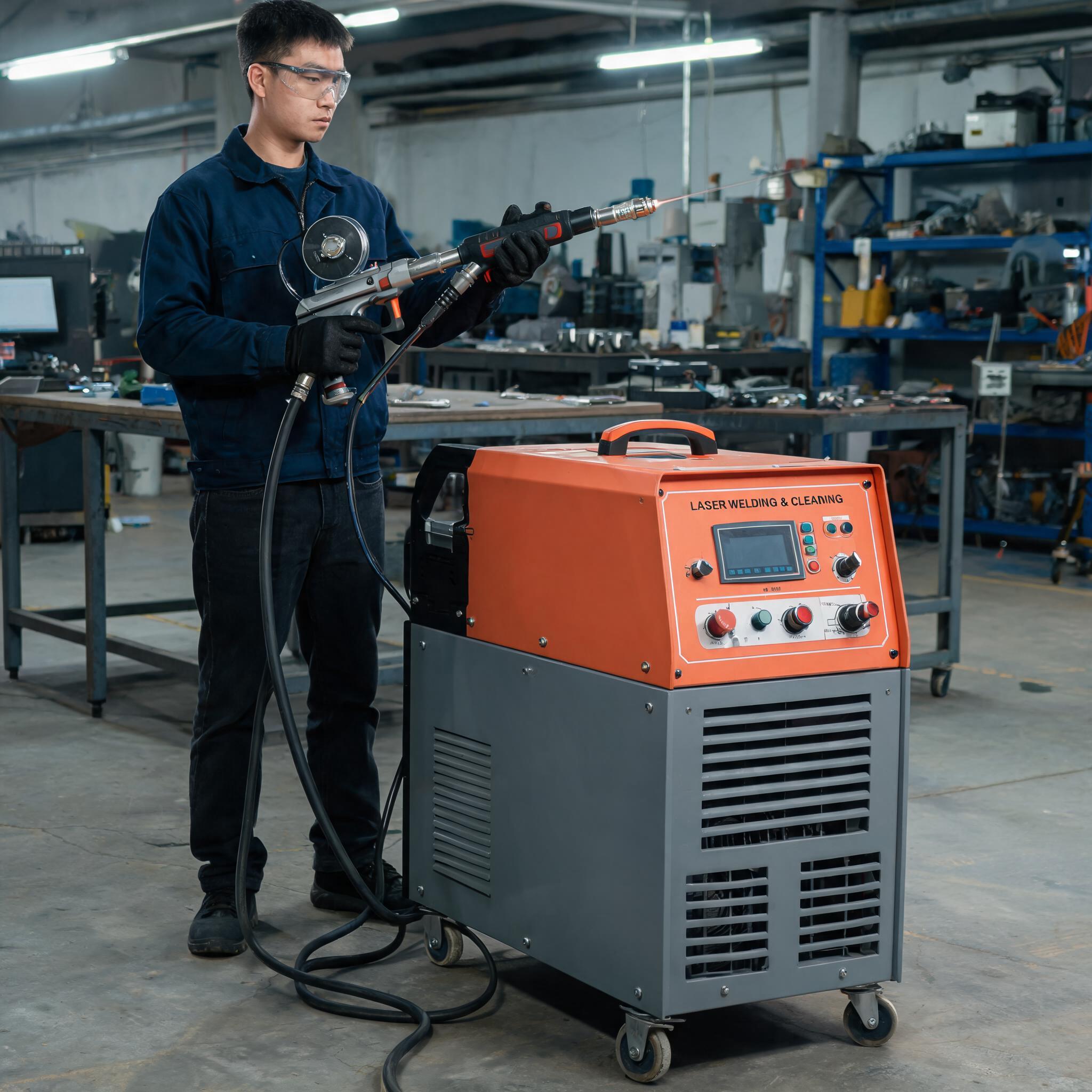
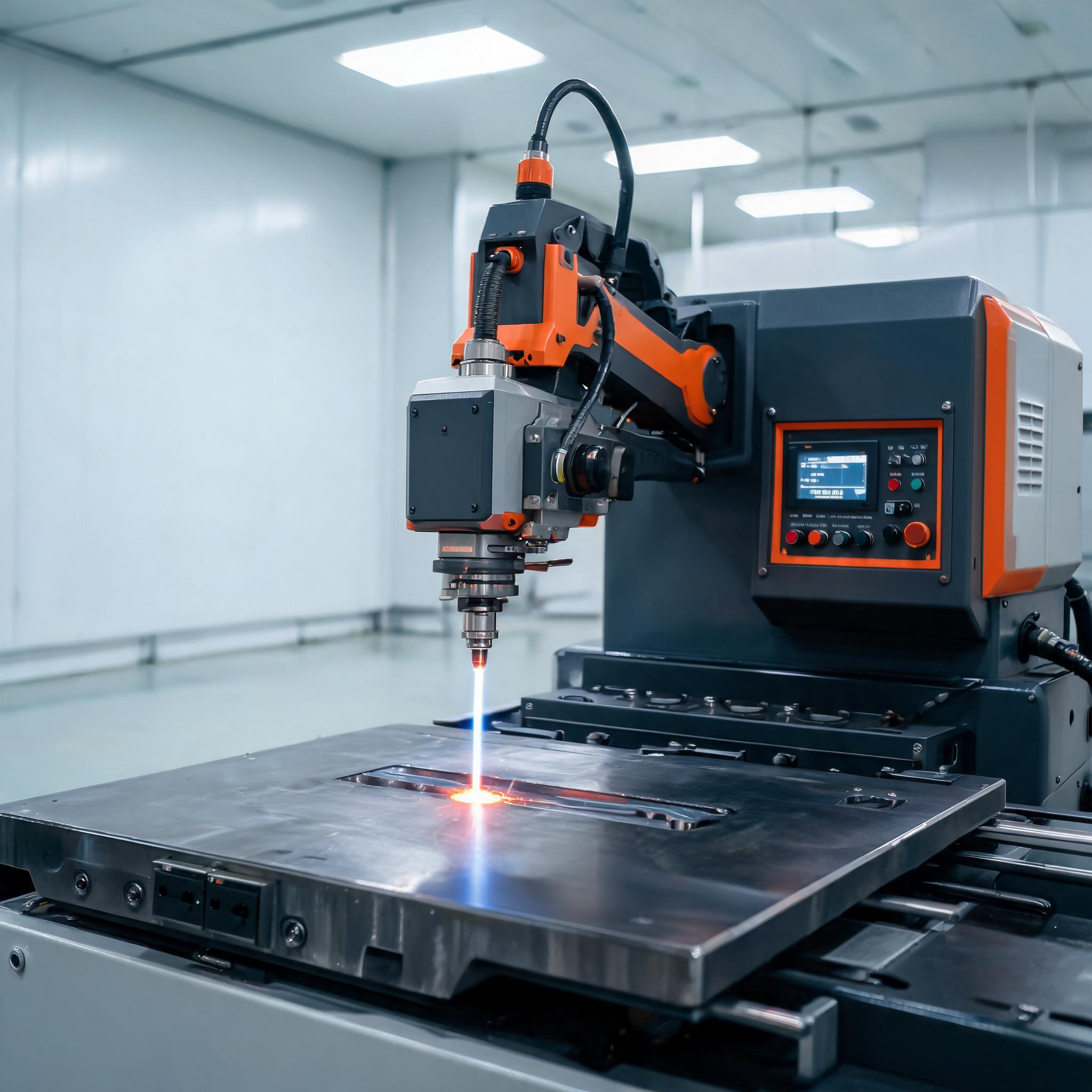
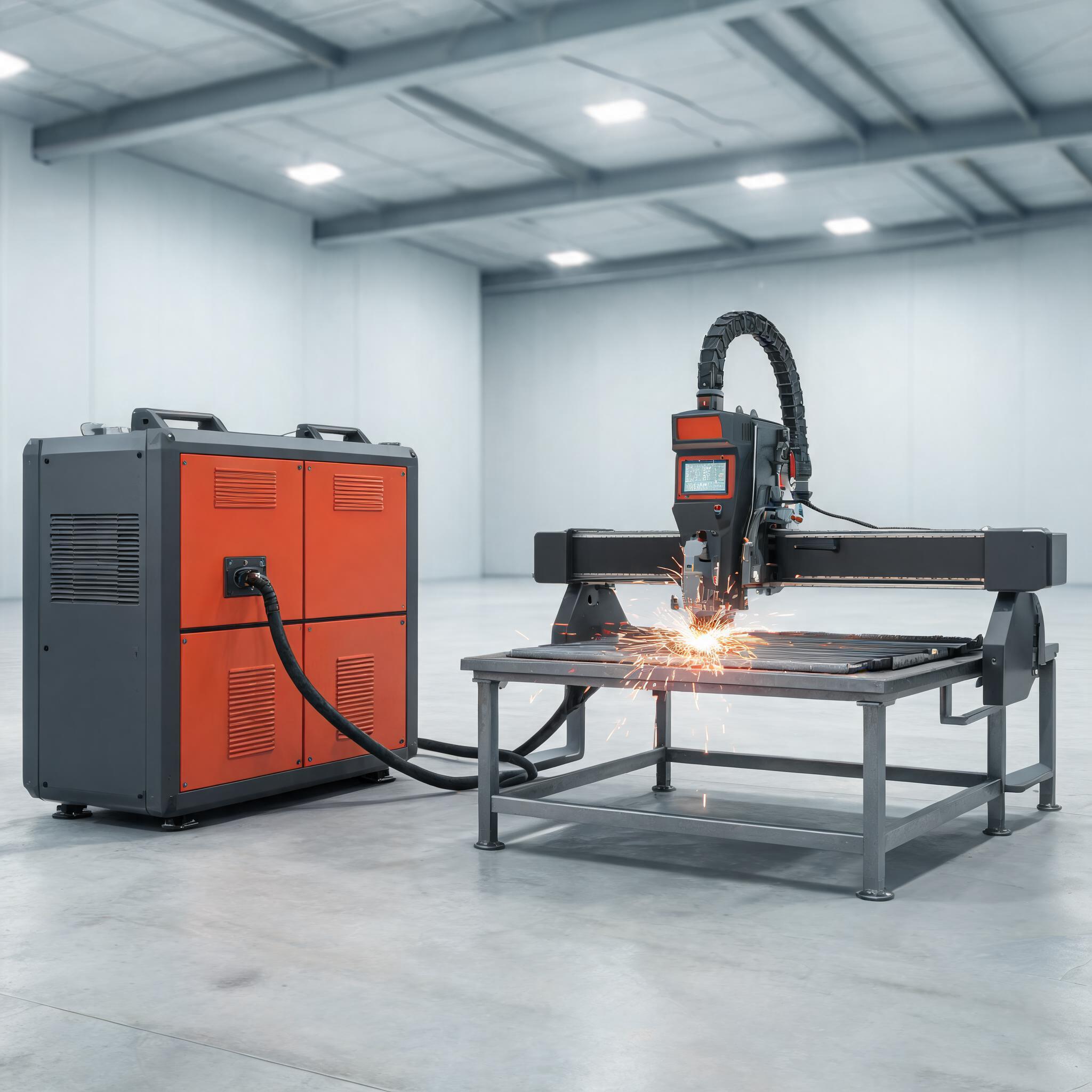
The handheld 1500W laser welding machine consists of five primary subsystems that determine welding quality, reliability, and operator experience:
- Laser source: Fiber laser generator with 1500W rated output, available from MAX, Raycus, or IPG. Source lifetime typically exceeds 100,000 hours. Beam quality (BPP) ranges from 0.8 to 1.2 mm*mrad depending on source brand.
- Welding gun: Ergonomic handheld gun weighing 1.2 to 1.8 kg, integrating collimating lens, focusing lens, and protective lens. Gun cable length ranges from 5 to 15 meters for workshop flexibility. Trigger switch controls laser emission with safety interlock.
- Control system: Touchscreen controller (typically 7 to 10 inch) for parameter setting including power, pulse width, frequency, duty cycle, and welding speed. Preset parameter libraries for common materials and thicknesses reduce setup time.
- Water chiller: Industrial water chiller (typically 2 to 4 HP) maintaining laser source and gun cooling at 22 to 25 degrees Celsius. Dual-temperature circuit design separates source cooling from gun cooling for optimal thermal stability.
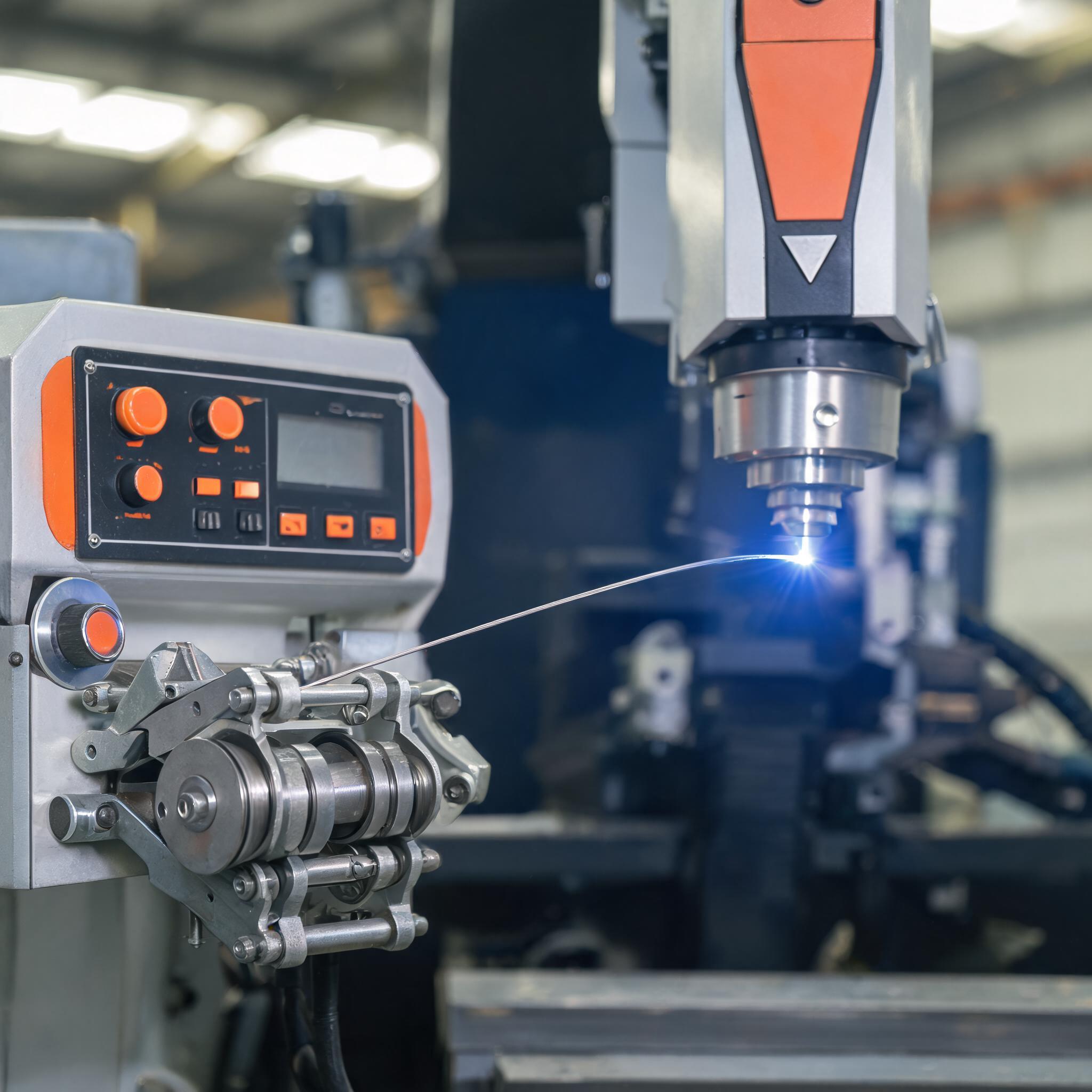
- Wire feeder (optional): Automatic wire feeding system for gap filling and reinforcement welds. Feed diameter supports 0.8 to 1.2mm wire with adjustable speed from 0 to 8 m/min.
Materials and Thickness Capabilities
The 1500W power class provides effective welding across a broad material range. Understanding the penetration limits helps buyers match machine capability to production requirements:
| Material | Max Welding Thickness | Recommended Wire | Typical Speed |
|---|---|---|---|
| Stainless Steel | 4.0 mm | 308L / 309L | 2 to 10 mm/s |
| Carbon Steel | 5.0 mm | ER70S-6 | 2 to 12 mm/s |
| Aluminum | 2.0 mm | ER4047 / ER5356 | 1 to 6 mm/s |
| Copper | 1.0 mm | ERCu | 0.5 to 3 mm/s |
| Titanium | 2.5 mm | ERTi-2 | 1 to 5 mm/s |
Actual penetration depends on joint type, welding position, shielding gas (typically argon at 15 to 25 L/min), and beam focus. Buyers should request sample welds on their specific materials before finalizing specifications.
Selecting the Right Laser Source Brand
The laser source accounts for 40 to 60 percent of total machine cost and directly affects welding performance, maintenance, and resale value. Three primary brands dominate the market:
MAX Photonics: Chinese-manufactured laser source offering excellent cost performance. 1500W MAX sources deliver stable output with beam quality suitable for most fabrication applications. Warranty typically 24 months. Preferred for cost-sensitive projects where total investment optimization matters.
Raycus: Another leading Chinese brand with extensive service network across Asia and growing presence in Europe. Raycus 1500W sources feature robust construction and proven reliability in industrial environments. Warranty 24 months. Slightly higher beam quality than MAX for demanding applications.
IPG Photonics: American-German manufacturer representing the premium tier. IPG sources deliver superior beam quality, longer service intervals, and broader material compatibility including challenging copper and aluminum welding. Warranty 36 months. Preferred when weld appearance and consistency are critical, or when brand recognition supports buyer confidence.
Shandong Xinhong offers all three source brands and helps buyers select based on material requirements, budget, target market expectations, and after-sales service availability in their region.
Handheld vs Fixed Welding Gun Configurations
The 1500W platform supports both handheld and fixed (robotic or CNC-integrated) configurations. Each suits different production scenarios:
Handheld welding gun: Provides maximum flexibility for irregular shapes, large workpieces, on-site repair, and multi-angle welding. Operators move the gun along the joint manually. Ideal for job shops, repair work, and low to medium volume production. Training period typically 2 to 5 days for basic proficiency.
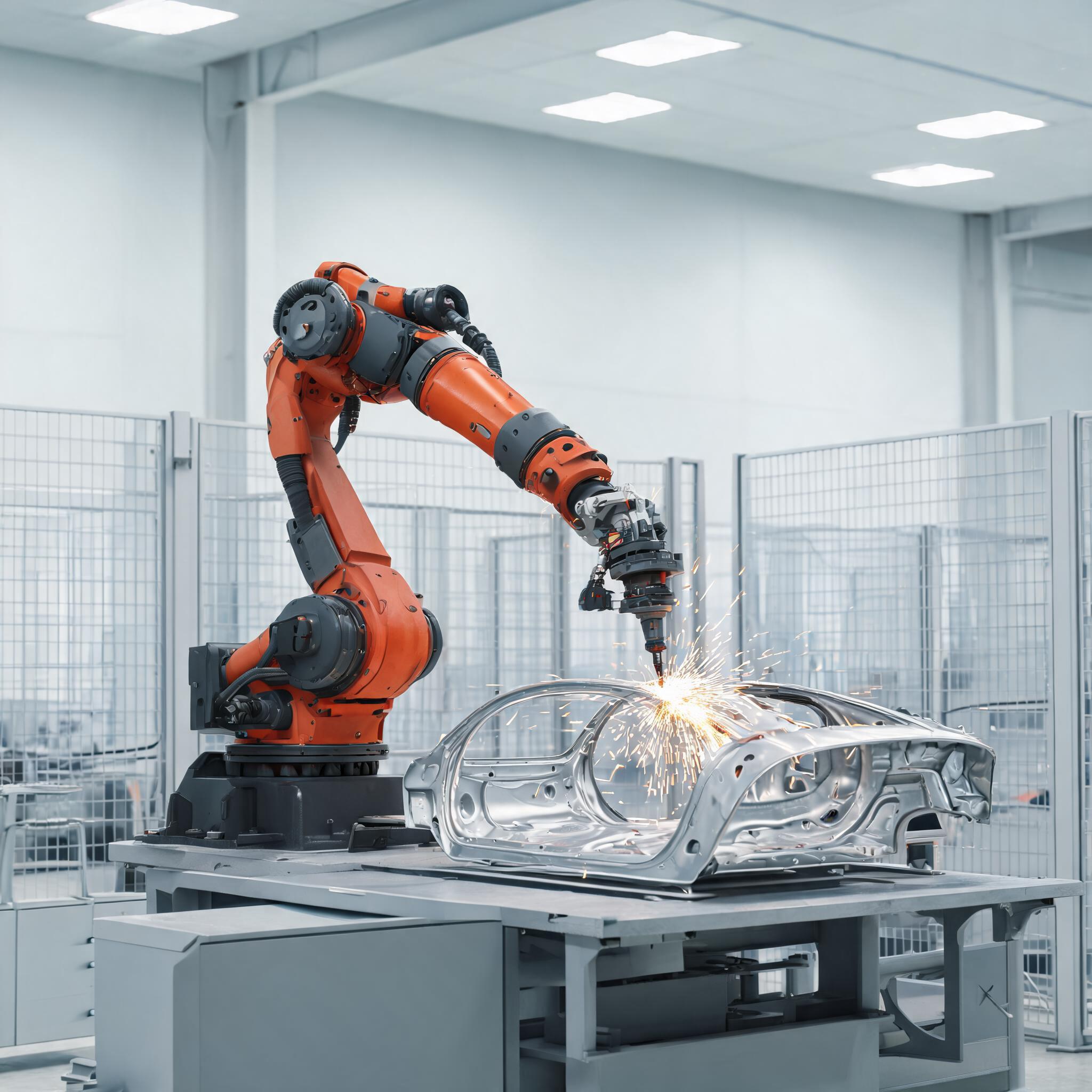
Fixed welding head: Integrated with CNC gantry, robotic arm, or custom fixture for automated, repeatable welding. Suitable for high-volume production of standardized parts. Achieves consistent weld quality with minimal operator dependency. Programming time varies from 30 minutes to several hours per part.
Many manufacturers start with a handheld configuration and later add a fixed head as volume grows. Xinhong machines support gun swapping within 30 minutes, making this transition practical.
Welding Quality Factors and Optimization
Achieving consistent, high-quality laser welds requires attention to several interacting variables:
Shielding gas selection: Argon provides adequate protection for stainless steel and carbon steel at 15 to 25 L/min flow rate. Argon-helium mixtures improve penetration on aluminum and copper. Nitrogen can substitute for argon on carbon steel but risks porosity on stainless. Gas purity should be 99.99 percent or higher.
Joint preparation: Laser welding tolerates minimal gap compared to TIG or MIG. For 2mm material, gap should not exceed 0.2mm. Wire feeding can compensate for gaps up to 1mm but adds cost and complexity. Edges should be clean, deburred, and free of oil or oxide layers.
Beam focus position: Focus point typically set at the material surface for thin materials or 0.5 to 1mm below surface for thicker materials. Defocus of 1 to 3mm above surface creates wider, shallower welds suitable for surface cleaning mode.
Travel speed: Speed directly affects penetration depth and weld width. Slower speed increases penetration but risks burn-through on thin materials. Optimal speed balances full penetration with controlled heat input. Operator skill determines consistency in handheld welding.
Safety Requirements for 1500W Laser Welding
Class 4 laser radiation at 1500W presents serious eye and skin hazards. Compliance with safety standards is mandatory:
- Protective eyewear: Must be rated for 1064nm wavelength with OD6+ (optical density 6 or higher). Different lens shades suit different ambient light conditions. Provide dedicated eyewear for all operators and visitors.
- Enclosure or controlled area: Designate a laser-controlled area with restricted access, warning signs, and interlocked doors where feasible. For handheld welding, maintain minimum 5 meter clearance around the work area.
- Fume extraction: Metal vapor and particulate generated during welding require local exhaust ventilation. Position extraction nozzle within 10 to 15cm of the weld point. HEPA filtration recommended for stainless steel welding to capture hexavalent chromium.
- Fire prevention: Remove flammable materials from the welding area. Maintain fire extinguisher access. Spatter from laser welding is minimal compared to arc welding but can still ignite combustibles within 1 meter.
- Training: All operators should complete laser safety training covering beam hazards, reflection risks, electrical safety, and emergency procedures. Document training records for insurance and regulatory compliance.
Comparing 1500W Laser Welding to Traditional Methods
Buyers evaluating 1500W laser welding should understand how it compares to established welding technologies:
| Factor | 1500W Laser Welding | TIG Welding | MIG/MAG Welding |
|---|---|---|---|
| Speed | 2 to 10 mm/s | 1 to 3 mm/s | 3 to 8 mm/s |
| Heat Affected Zone | 0.5 to 1.5 mm | 2 to 4 mm | 3 to 6 mm |
| Distortion | Minimal | Moderate | High |
| Post-weld finishing | Often none needed | Grinding required | Grinding and cleaning |
| Skill requirement | Low to moderate | High | Moderate |
| Equipment cost | Higher initial | Lower | Lower |
Maintenance and Consumables
Proper maintenance ensures consistent weld quality and extends machine lifetime. Key maintenance items include:
Protective lens replacement: The protective lens shields the focusing optics from spatter and vapor. Replace every 40 to 80 welding hours depending on material and application. Cost per lens is modest, and keeping spares on hand prevents downtime. Inspect lens condition daily before starting work.
Gas nozzle cleaning: Shielding gas nozzle accumulates spatter residue over time. Clean every 8 to 16 hours of operation using brass brush and compressed air. Replace nozzle if inner diameter becomes deformed or blocked.
Water chiller maintenance: Check water level weekly. Replace deionized water every 6 months. Inspect filter monthly and replace when pressure drop exceeds 0.1 MPa. Verify water temperature stability at 22 to 25 degrees Celsius. Clean condenser fins quarterly.
Laser source inspection: Monitor output power monthly using a power meter. Power degradation exceeding 10 percent indicates source aging or optical contamination. Contact service for diagnosis. Source lifetime typically 100,000 hours with gradual power decline rather than sudden failure.
Packaging, Shipping, and Installation
Standard 1500W handheld laser welding machine packages include main machine unit, welding gun with cable, water chiller, control system, safety glasses, gas regulator, and accessory kit. Total weight ranges from 120 to 180 kg. The system ships in two to three wooden cases with foam padding.
Sea freight is the standard shipping method for international orders, with transit times of 25 to 45 days to most ports. Air freight is available for urgent orders but significantly increases cost. Xinhong provides FOB Qingdao or CIF destination port terms based on buyer preference.
Installation involves connecting water chiller, gas supply, and power (220V single phase or 380V three phase depending on configuration). Setup typically requires 2 to 4 hours. Xinhong provides video installation guidance and remote commissioning support. On-site installation service is available in regions with partner technicians.
Cost Factors and Pricing Structure
The total cost of ownership for a 1500W laser welding machine extends beyond the purchase price:
Machine cost: Ranges from USD 4,500 to USD 12,000 depending on laser source brand, included accessories, and customization. MAX source machines occupy the lower range; IPG source machines the upper range. Raycus falls in between.
Consumables: Protective lenses, shielding gas, and welding wire constitute ongoing costs. Monthly consumable expense typically USD 50 to USD 200 depending on usage intensity. Gas consumption at 20 L/min uses approximately one standard cylinder per 8-hour shift.
Electricity: 1500W laser source draws approximately 4 to 6 kW total system power. At European industrial electricity rates, operating cost runs USD 0.50 to USD 1.50 per hour depending on local rates and duty cycle.
Maintenance: Annual maintenance cost including lens replacements, water changes, and filter replacements typically USD 200 to USD 600. Budget for occasional service visits if local support is unavailable.
Buyers should request itemized quotations separating machine, accessories, shipping, and training costs to enable accurate comparison between suppliers.
Common Applications and Industry Case Studies
The 1500W laser welding machine serves diverse manufacturing sectors:
Kitchenware and appliance manufacturing: Stainless steel sinks, cookware, range hoods, and decorative panels benefit from laser welding's minimal heat affected zone and clean weld appearance. Post-weld grinding is often eliminated entirely, reducing labor cost.
Automotive components: Battery trays, exhaust components, sensor housings, and structural brackets require precise, repeatable welds meeting automotive quality standards. Laser welding delivers the consistency and traceability needed for automotive supply chains.
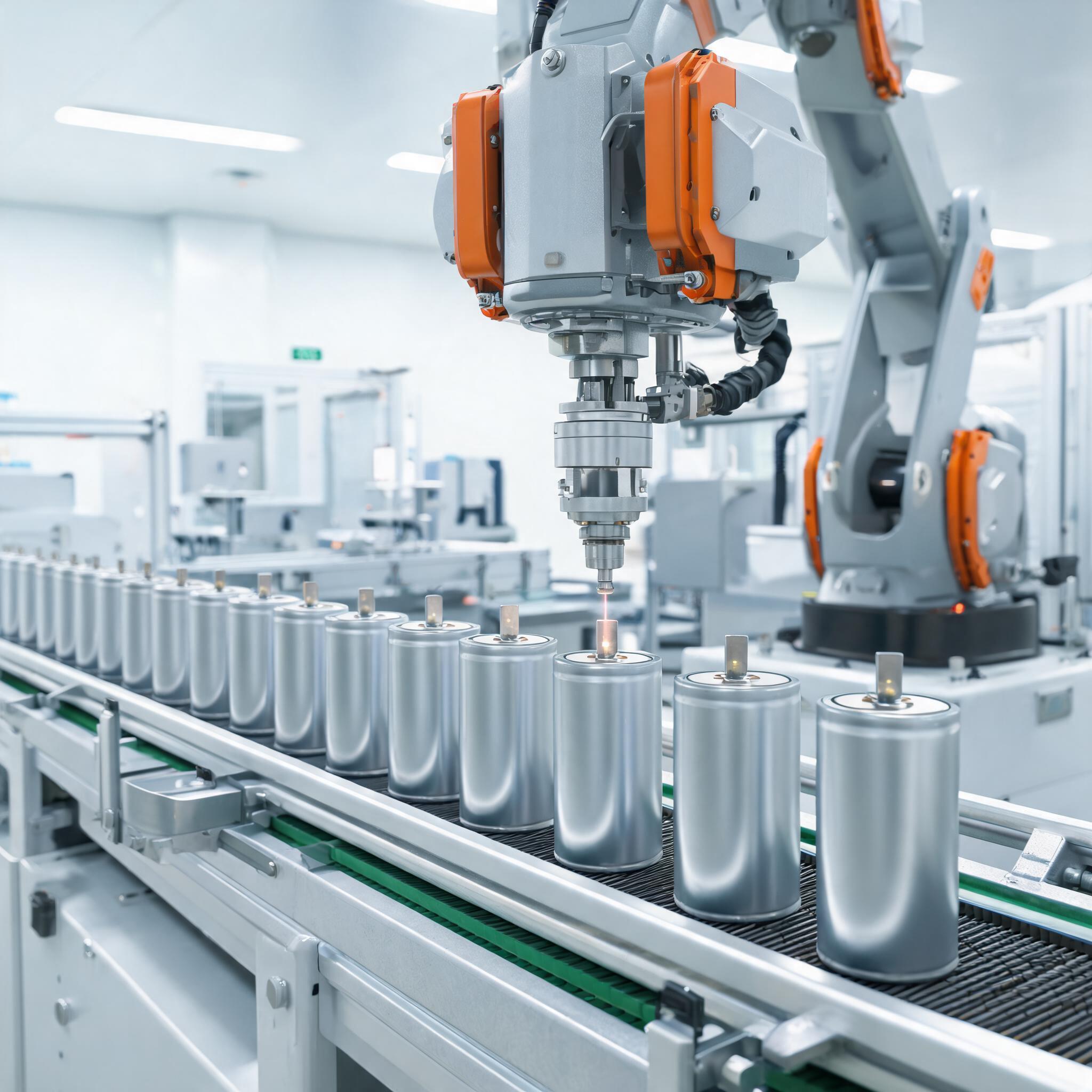
Electronics and battery manufacturing: Lithium battery tabs, electronic enclosures, and connector terminals require low-heat, high-precision welding. The 1500W power class with pulse control achieves reliable welds on thin materials without damaging adjacent components.
Advertising and signage: Stainless steel letters, logo frames, and display structures often require aesthetic welds that are nearly invisible after polishing. Laser welding produces narrow, clean seams ideal for visible joints.
Frequently Asked Questions About 1500W Laser Welding Machines
What materials can a 1500W laser welding machine weld?
The 1500W power class effectively welds stainless steel up to 4mm, carbon steel up to 5mm, aluminum up to 2mm, copper up to 1mm, and titanium up to 2.5mm. With wire feeding, gap filling extends practical welding range slightly beyond these limits.
How long does it take to learn handheld laser welding?
Most operators achieve basic proficiency within 2 to 5 days of training. Producing consistent, high-quality welds on varied joints and positions typically requires 2 to 4 weeks of practice. Xinhong provides training videos and remote parameter guidance.
What shielding gas is required?
Argon at 99.99 percent purity is the standard shielding gas at 15 to 25 L/min flow rate. For aluminum welding, an argon-helium mixture improves penetration and surface finish. Nitrogen is acceptable for carbon steel but not recommended for stainless steel.
What is the laser source lifetime?
Fiber laser sources from MAX, Raycus, and IPG typically last 100,000 hours of operation. Power may gradually decrease by 10 to 20 percent near end of life rather than failing suddenly. Source replacement cost at end of life is a significant but infrequent expense.
Can the machine perform welding and cleaning?
Many 1500W welding machines support cleaning mode by defocusing the beam and adjusting parameters. However, dedicated cleaning requires different optics and pulse settings. Some Xinhong models offer 3-in-1 functionality combining welding, cutting, and cleaning in one system.
What power supply is required?
Standard configurations require 220V single phase or 380V three phase at 50 or 60 Hz. Total system power draw is approximately 4 to 6 kW. Confirm local voltage and phase availability before ordering. Step-down transformers can adapt where needed.
What warranty is included?
Xinhong provides a 24-month warranty on the complete machine and a 24 to 36-month warranty on the laser source depending on brand. Warranty covers manufacturing defects and component failure under normal use. Consumables such as protective lenses are not covered.
Is on-site installation available?
On-site installation is available in regions where Xinhong has partner technicians, including parts of Europe, Southeast Asia, and the Middle East. For other regions, we provide detailed video installation guides and remote commissioning via video call. Most buyers complete installation within 2 to 4 hours.
Can I weld galvanized steel with a 1500W laser welder?
Galvanized steel can be welded but zinc vaporization causes porosity and requires adequate ventilation. Best practice is to remove zinc coating from the weld area before welding. Alternatively, use wire feeding with silicon-bearing wire to reduce porosity.
What is the maximum welding gun cable length?
Standard cable length is 5 meters. Extended cables of 10 and 15 meters are available. Longer cables reduce maneuverability slightly and may marginally affect beam delivery efficiency. Choose cable length based on typical workpiece size and workshop layout.
How does ambient temperature affect welding?
Ambient temperature between 10 and 35 degrees Celsius has minimal effect on weld quality. The water chiller maintains stable laser source temperature regardless of ambient conditions. Extreme cold below 5 degrees Celsius requires antifreeze in the cooling system. Extreme heat above 40 degrees Celsius may reduce chiller efficiency.