
Understanding 20kW Fiber Laser Cutting Technology
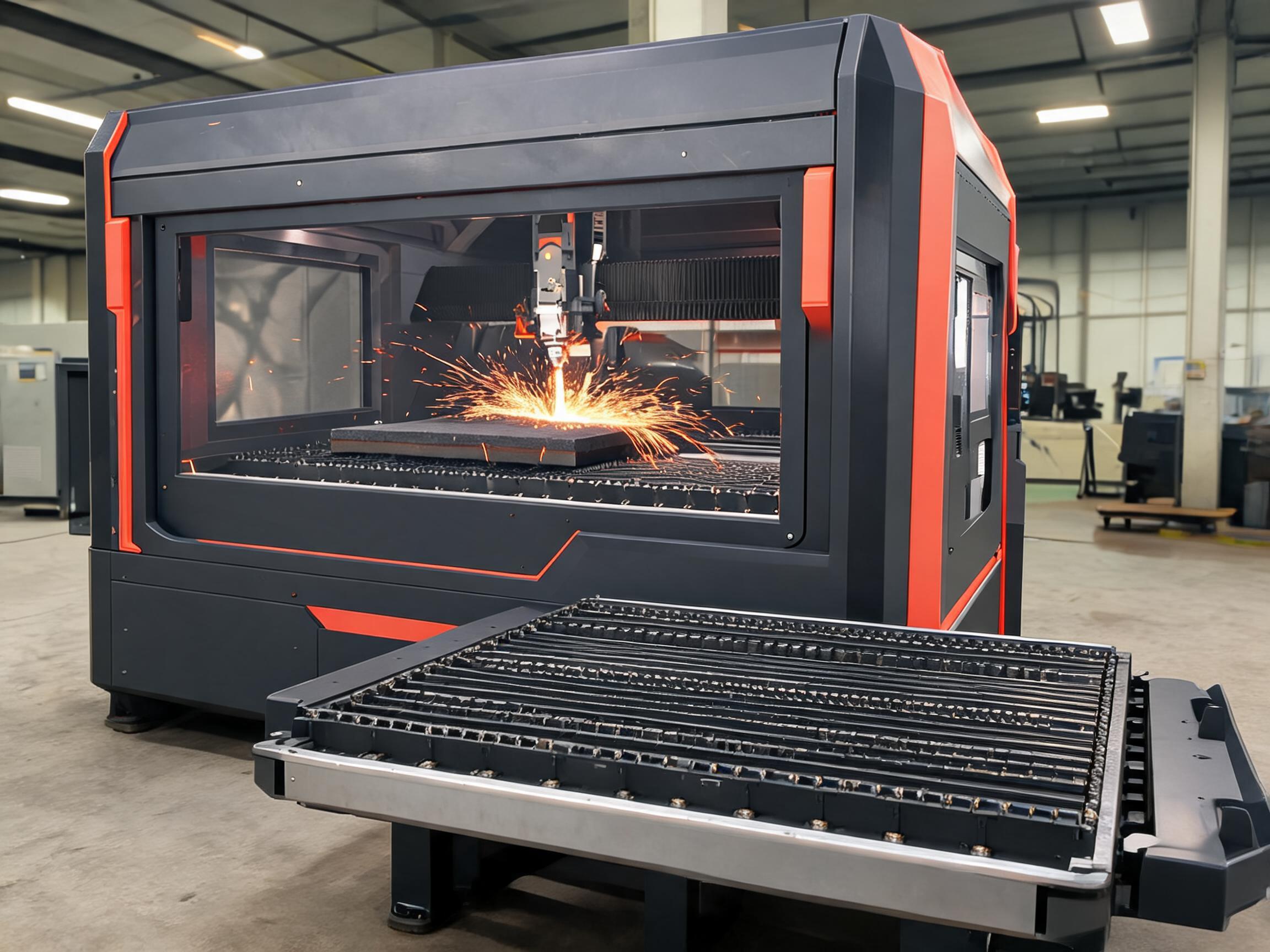
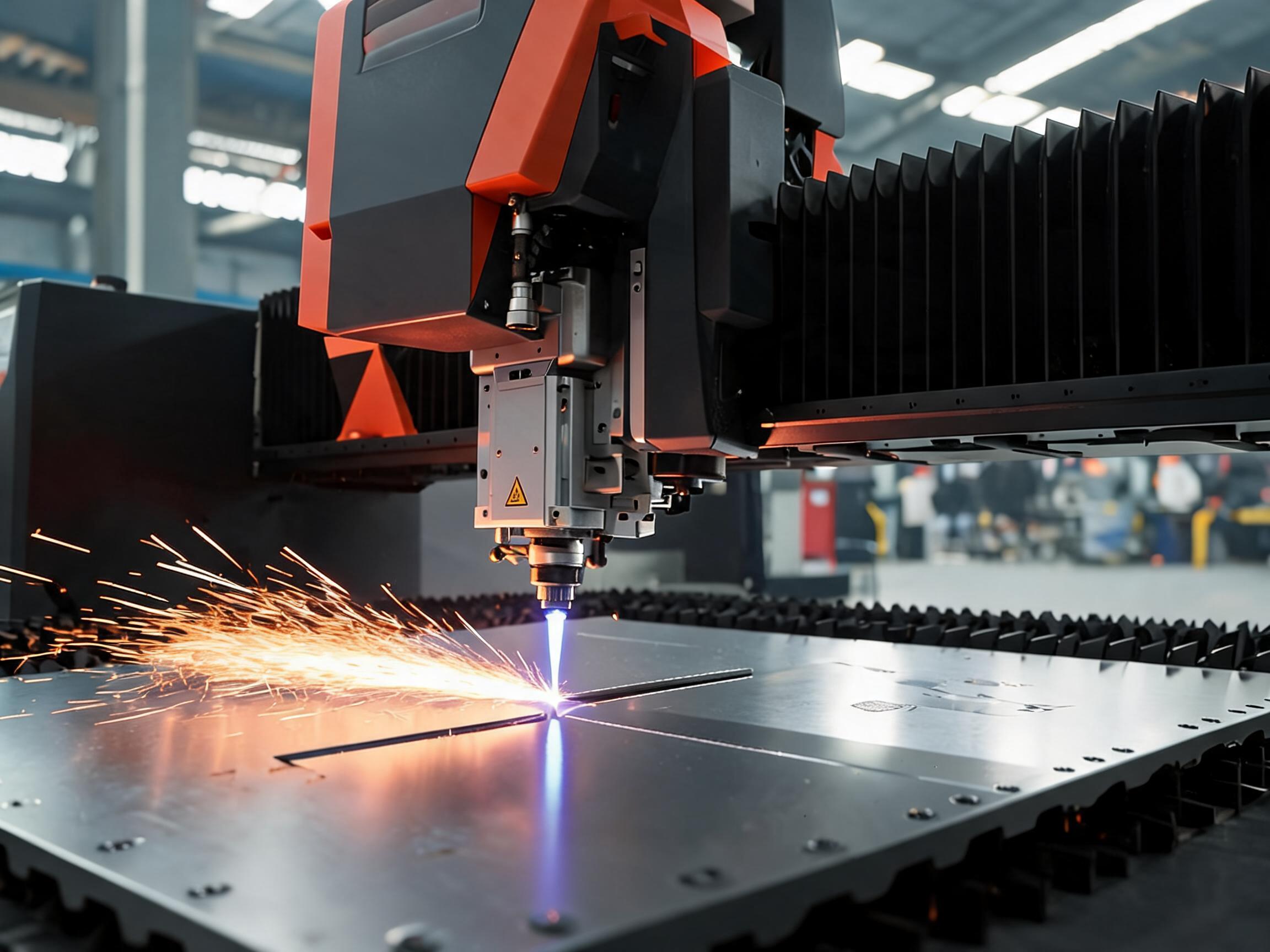
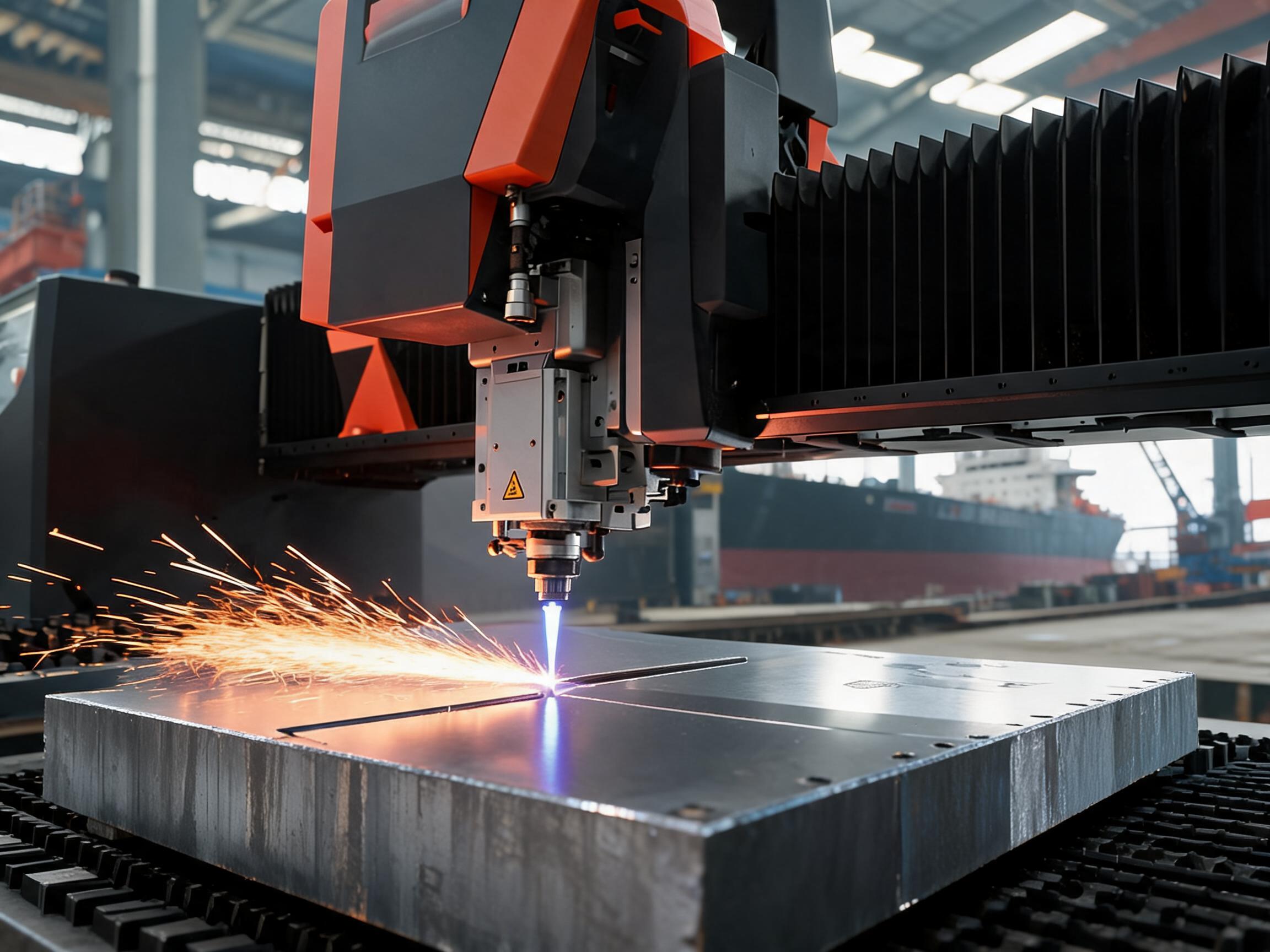
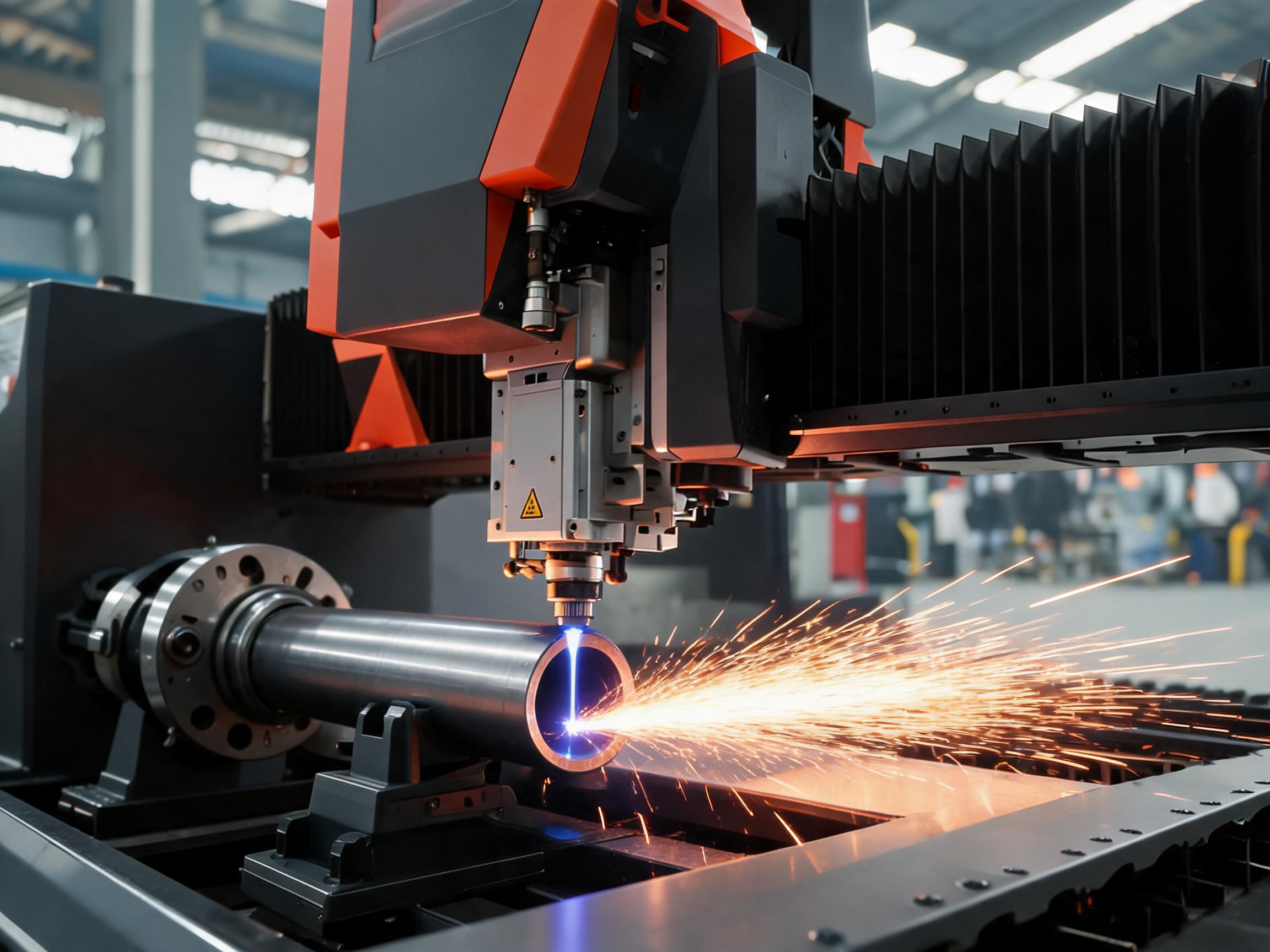
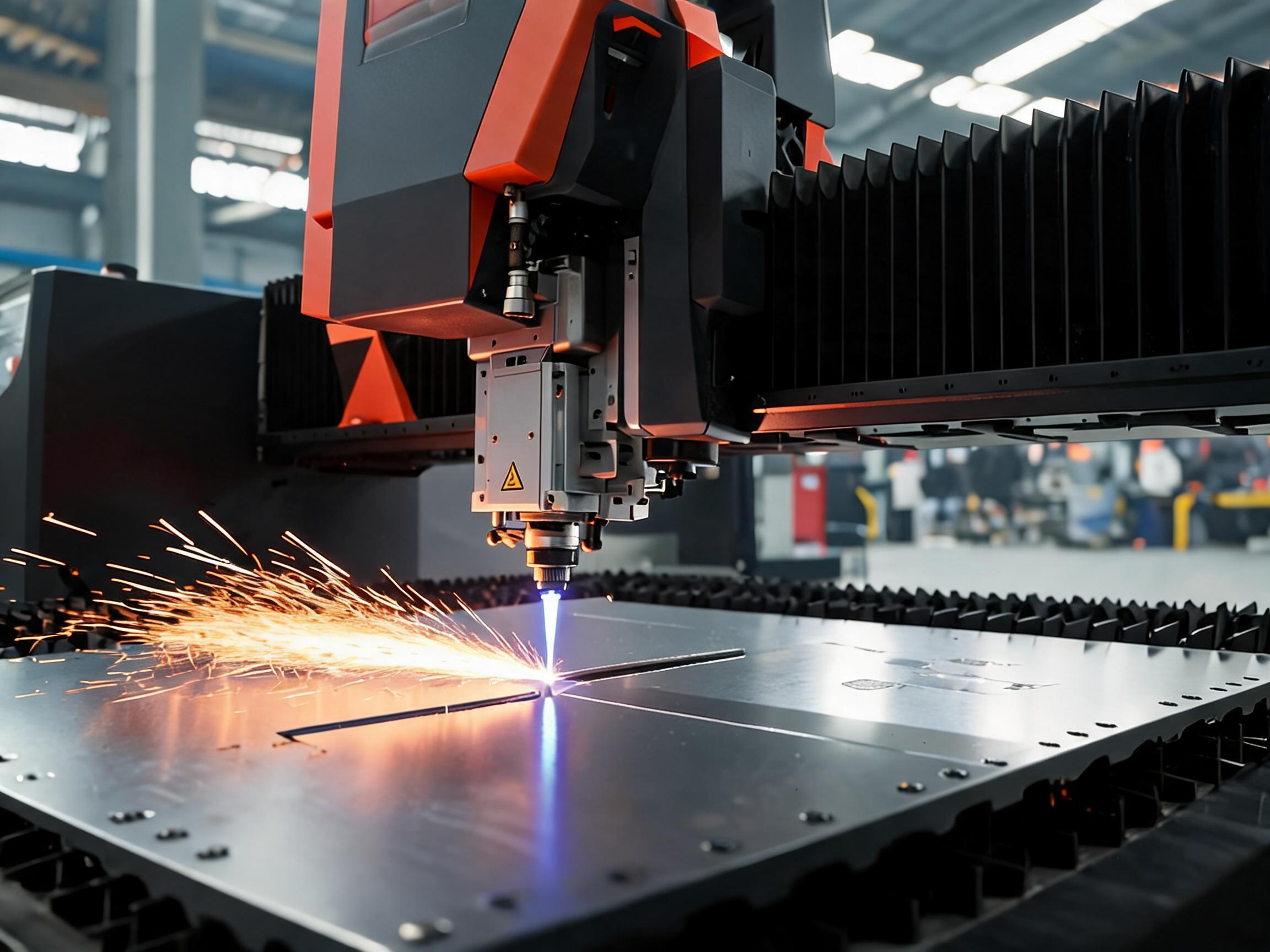
A 20kW fiber laser cutting machine represents the upper range of industrial laser cutting capability, designed for heavy plate fabrication where plasma cutting and oxy-fuel have traditionally dominated. At 20000 watts, the machine processes carbon steel up to 40mm in a single pass with edge quality that meets structural welding preparation standards. The 20kW power class is particularly relevant for shipbuilding, bridge construction, pressure vessel manufacturing, and heavy machinery fabrication where thick plate processing with minimal secondary operations is essential.
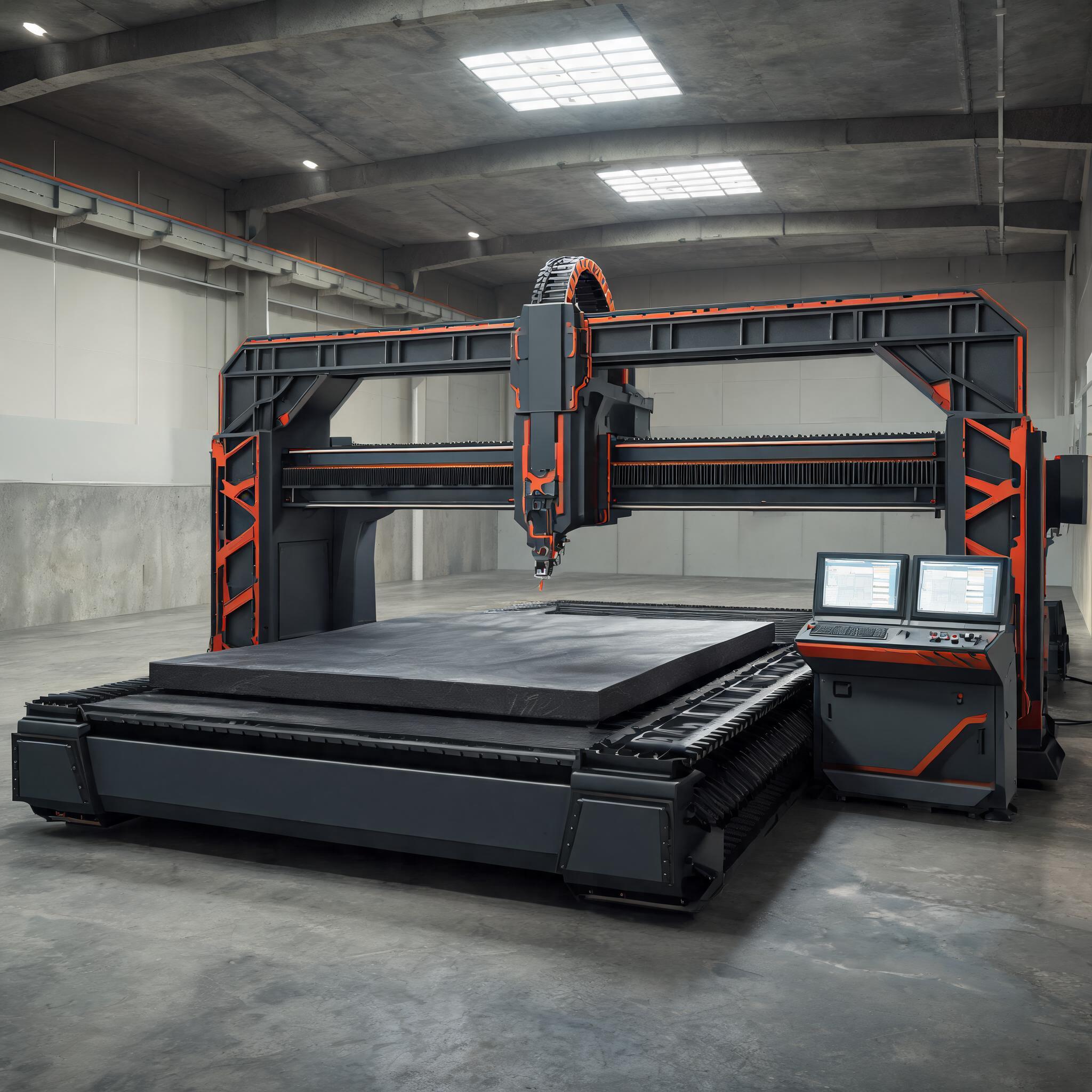
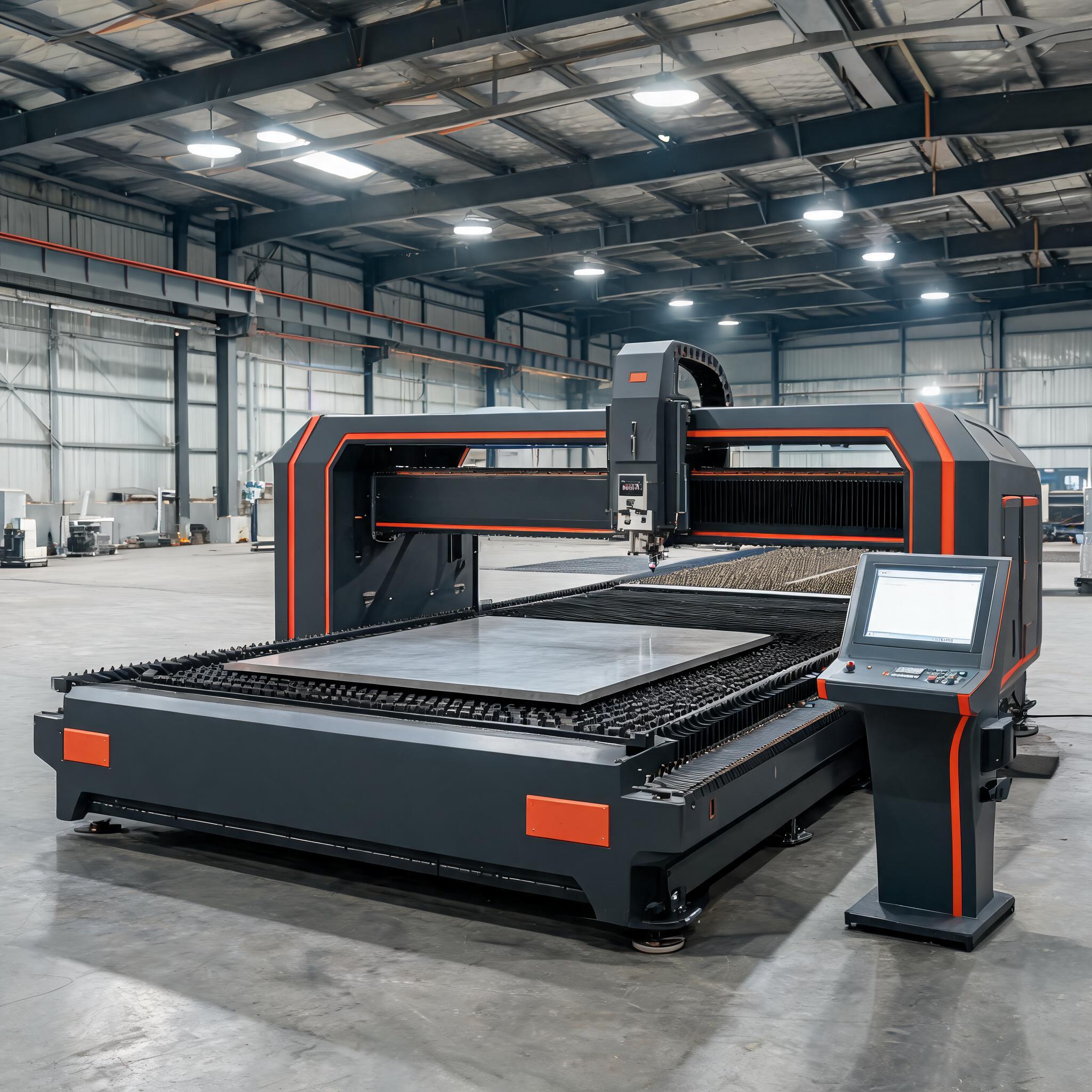
Xinhong CNC's 20kW machines are built with reinforced gantry structures to handle the higher cutting forces and thermal loads associated with thick plate processing. The machines feature IPG or Raycus high-power laser sources, dual-pressure gas delivery systems for optimized assist gas flow, and advanced cutting heads with auto-focusing capability.
Performance Comparison: 20kW vs Lower Power Classes
| Material & Thickness | 12kW Speed | 20kW Speed | Speed Gain |
|---|---|---|---|
| Carbon Steel 10mm | 3.0m/min | 4.5m/min | 50% |
| Carbon Steel 20mm | 1.2m/min | 2.0m/min | 67% |
| Carbon Steel 30mm | 0.5m/min | 1.2m/min | 140% |
| Stainless Steel 15mm | 1.0m/min | 1.8m/min | 80% |
| Aluminum 12mm | 0.8m/min | 1.5m/min | 88% |
The data shows that the 20kW advantage becomes more pronounced as material thickness increases. For shops processing significant volumes of 20mm+ carbon steel, the throughput improvement can justify the higher capital investment. However, for thin sheet processing (under 6mm), the speed difference diminishes, and the higher power may actually cause more dross and heat-affected zone issues if parameters are not optimized.
Structural Design and Thermal Management
A 20kW machine generates substantially more heat than lower-power models, requiring a more robust structural design. The machine bed must dissipate thermal energy effectively to prevent thermal expansion that compromises cutting accuracy. Xinhong CNC uses welded steel beds subjected to 600C annealing treatment to eliminate internal stresses, followed by precision machining after natural aging. This process ensures the bed maintains dimensional stability throughout years of high-power operation.
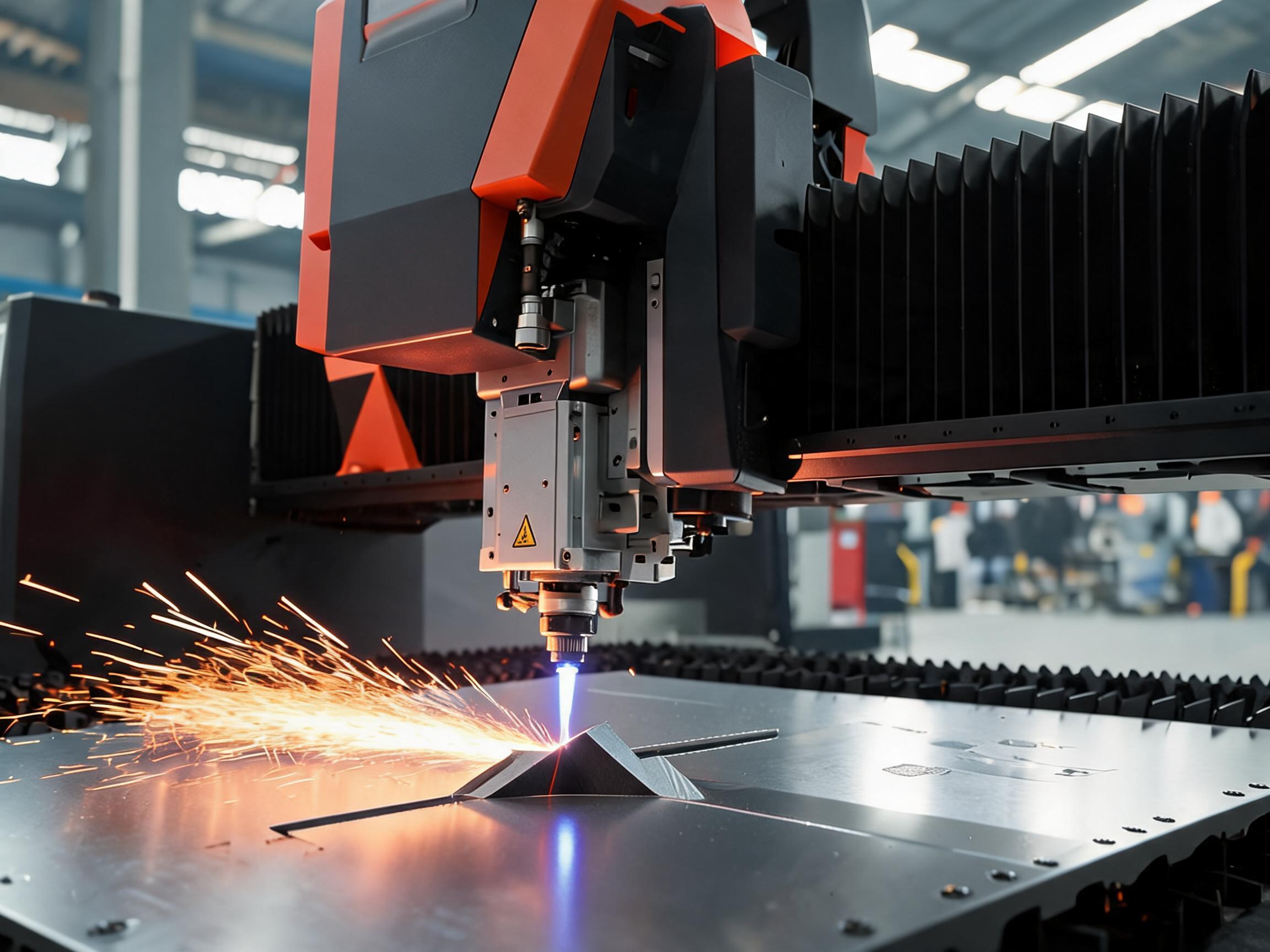
The cutting head on a 20kW machine requires enhanced cooling and protection. The protective lens assembly must handle higher reflected energy and spatter volume. Auto-focusing cutting heads with capacitive height sensing are standard, as manual focus adjustment is impractical when cutting 30-40mm plate where the focal point shifts significantly with temperature changes during long cuts.
Assist Gas Requirements and Cost Analysis
At 20kW, assist gas consumption is significantly higher than at lower power levels. Carbon steel cutting with oxygen typically requires 20-30m3/hour at 0.8-1.5 bar pressure. Nitrogen cutting of stainless steel at 20kW demands 40-60m3/hour at 10-20 bar pressure. These consumption rates make gas supply infrastructure a critical consideration in the total cost of ownership.
Buyers should evaluate three gas supply options: cylinder banks (lowest capital but highest per-unit cost), liquid gas tanks (moderate capital, lower per-unit cost), and on-site nitrogen generators (highest capital but lowest nitrogen cost over time). For operations running 2-3 shifts with significant nitrogen cutting, an on-site nitrogen generator can pay for itself in 12-24 months. Xinhong CNC manufactures complementary nitrogen generators specifically sized for laser cutting operations.
Working Area and Material Handling Considerations
20kW machines typically serve heavy plate applications, requiring larger working areas. Standard configurations range from 2000x4000mm to 2000x6000mm, with custom sizes available up to 2500x12000mm for shipbuilding applications. The larger the working area, the more critical the material handling system becomes. Exchange tables rated for 5-ton sheets require robust hydraulic or pneumatic lifting systems.
For heavy plate operations, consider whether the machine includes or supports plate loading cranes, magnetic lifting devices, and automated sheet storage towers. These material handling systems are often the bottleneck in heavy plate fabrication, not the cutting speed itself. A 20kW machine that cuts 30mm plate in 90 seconds but takes 10 minutes to load and unload the sheet achieves lower actual throughput than a properly integrated system.
Electrical Infrastructure and Facility Preparation
A 20kW fiber laser cutting machine has substantial electrical requirements. The total system, including laser source, chiller (40kW+ cooling capacity), air compressor, dust extraction, and exchange table, typically requires a 3-phase 380V or 400V supply at 120-150kVA. Buyers must verify that their facility's transformer capacity and distribution panels can handle this load.
Power quality matters for high-power laser cutting machines. Voltage fluctuations exceeding ±5% can cause laser source power instability. Facilities with unreliable power grids should consider installing a voltage stabilizer or isolation transformer. The machine's control system should include power monitoring with automatic shutdown if voltage or phase balance exceeds safe limits.
Cutting Quality Standards and Inspection Methods
For thick plate cutting at 20kW, quality verification should follow recognized standards. Edge perpendicularity should be within ±0.5 degrees for structural applications. Dross formation should be minimal: light dross that removes with a scraping tool is acceptable for most applications, but heavy dross requiring grinding indicates parameter optimization is needed. Surface roughness (Ra) should be below 12.5 for carbon steel up to 30mm and below 6.3 for stainless steel.
Buyers should establish a cutting quality acceptance protocol with measurable criteria. This protocol should include: edge angle measurement using a bevel gauge, visual inspection for dross and oxidation, dimensional verification of test parts using CMM or calipers, and kerf width consistency measurement at the top and bottom of the cut. Documenting these parameters at machine acceptance provides a baseline for monitoring degradation over time.
Safety Considerations for High-Power Laser Operations
20kW laser cutting machines generate intense laser radiation that requires fully enclosed safety enclosures with interlocked access doors. The enclosure must use laser-absorbing materials rated for the specific wavelength (1080nm for fiber lasers). Safety windows for observation must have appropriate optical density ratings. Emergency stop circuits must be redundant and accessible from all operator positions.
Fire suppression is critical when cutting thick carbon steel with oxygen assist. The dust extraction system must handle spark-laden fume loads with spark arrestors and fire-resistant ducting. Buyers should install auxiliary fire extinguishing systems (CO2 or dry chemical) in the cutting area. Operator training must include fire response procedures and the risks of cutting flammable materials or materials with oil contamination.
Supplier Evaluation and Due Diligence
When evaluating suppliers for a 20kW machine investment, buyers should conduct thorough due diligence. Request references from customers operating similar equipment, preferably in the same industry and material thickness range. Visit the manufacturer's factory if possible, or arrange a video tour showing the assembly line, testing area, and quality control processes. Verify the manufacturer's experience with 20kW specifically: a supplier with extensive 6kW experience but limited 20kW installations may face unexpected engineering challenges.
Xinhong CNC has manufactured fiber laser cutting machines since 2005, with installations across Europe, Southeast Asia, and the Middle East. Our 20kW machines use the same proven gantry platform as our 12kW and 30kW models, ensuring structural integrity and parts compatibility. We provide installation, training, and ongoing support through direct service teams and regional partners.
ROI Analysis and Investment Justification
To justify a 20kW machine investment, calculate the total cost of ownership including: machine purchase price, shipping and installation, electrical infrastructure upgrades, assist gas system installation, operator training, and consumable costs (nozzles, lenses, protective windows, filter cartridges). Compare this against current processing costs (outsourced cutting, plasma cutting time, secondary operations) and the revenue from increased capacity.
Key ROI factors include: reduced outsourcing of thick plate cutting, elimination of secondary operations (grinding, milling), faster turnaround on structural projects, and the ability to accept thicker plate work that competitors cannot handle. A 20kW machine typically achieves ROI in 18-36 months for shops processing 500+ tons of 20mm+ plate annually.
Frequently Asked Questions
What materials can a 20kW fiber laser cut?
Carbon steel up to 40mm, stainless steel up to 30mm, aluminum up to 25mm, brass up to 12mm, and copper up to 10mm. Actual capabilities depend on assist gas type and cutting parameters.
How does 20kW compare to plasma cutting for thick plate?
Fiber laser at 20kW produces significantly better edge quality, smaller kerf width, less heat-affected zone, and no bevel angle compared to plasma. For plate over 25mm, plasma remains faster, but laser wins on quality and eliminates secondary machining.
What is the maintenance schedule for a 20kW machine?
Daily: clean nozzle and protective lens, check gas pressures. Weekly: inspect and clean cutting head, check chiller water level. Monthly: calibrate beam alignment, check linear guide lubrication. Quarterly: replace protective lens and nozzle pack, inspect electrical connections. Annually: comprehensive alignment, chiller service, laser source diagnostics.
Can I upgrade my 12kW machine to 20kW later?
No. The laser source, cooling system, and electrical infrastructure are sized for specific power levels. Upgrading requires replacing these major components, which is typically not cost-effective compared to purchasing a new machine.
What floor preparation is needed?
A level reinforced concrete floor with minimum 250mm thickness and load capacity of 3000kg/m2. The floor must be flat within ±2mm over the machine footprint. Vibration isolation pads are recommended if the facility has heavy forging or stamping equipment nearby.
Do you provide installation and training?
Yes. Our engineers install the machine, perform calibration, and provide 5-7 days of operator training covering operation, programming, maintenance, and troubleshooting. Additional training days can be arranged.
What is the warranty period?
Standard warranty is 2 years on the laser source (IPG) and 1 year on the machine. Extended warranty options are available. Contact us for specific terms.
How long do consumables last at 20kW?
Nozzle life: 40-80 hours depending on material and gas type. Protective lens: 100-200 hours. Filter cartridges: 3-6 months depending on material and dust load. Higher power and thicker materials consume consumables faster.
Can the machine be integrated with existing ERP or MES systems?
The CypCut controller supports standard networking and can export production data. Custom MES integration requires API development, which we can scope as a project requirement.
What support is available after purchase?
Remote diagnostics via TeamViewer, spare parts shipment within 3-14 days, and on-site service through partner networks. Response time for critical issues is 2-4 hours remotely, 48-72 hours on-site for international locations.