
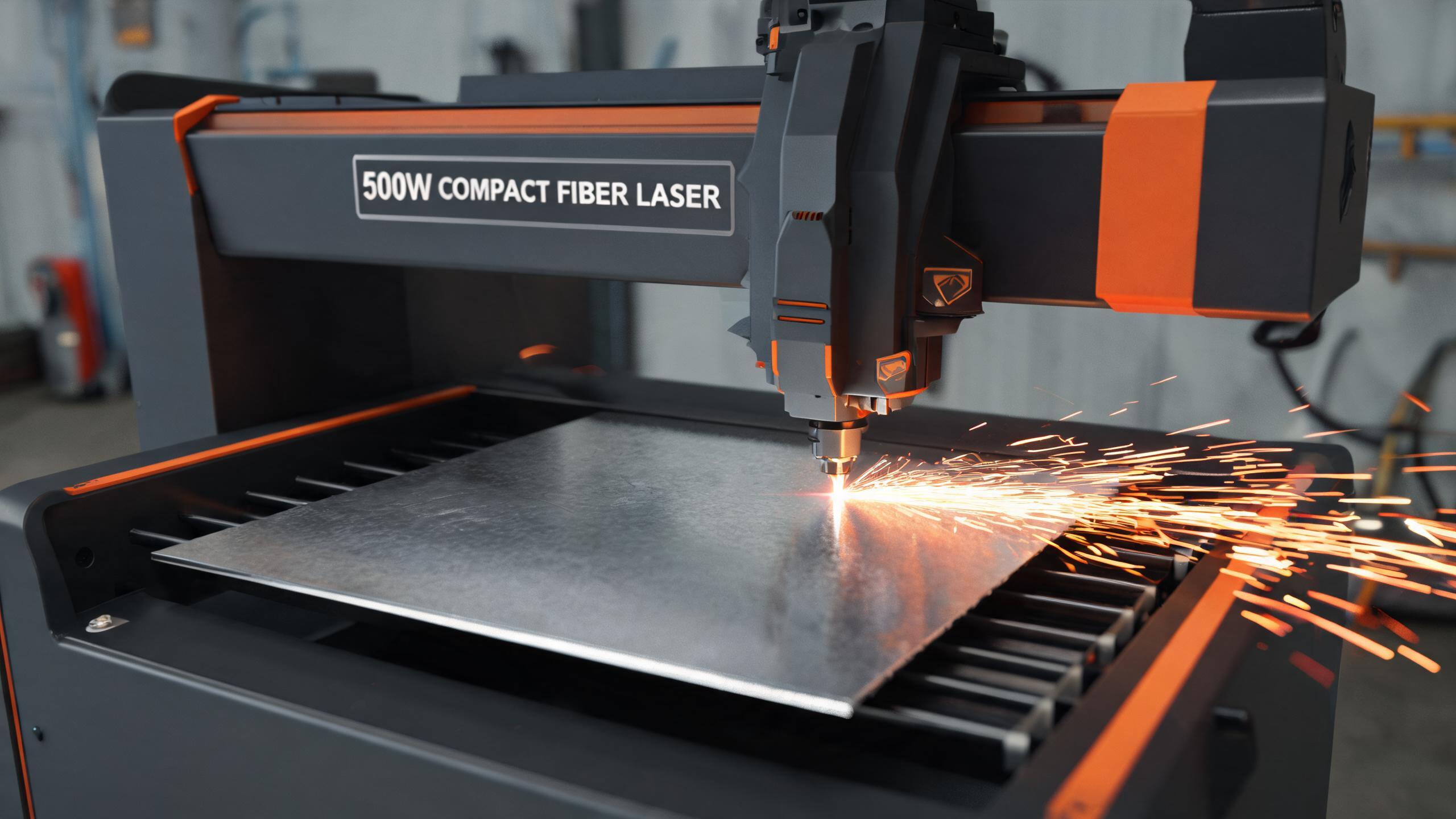
En komplett 2026-kjøperguide til metallplate-laserkuttemaskiner, som dekker valg av arbeidsområde fra 1300×900 mm til 2000×6000 mm, presisjonskrav fra ±0,02 mm til ±0,05 mm/m, budsjett og totale eierkostnader, en…
Hva er en metallplate-laserkuttemaskin og hvorfor 2026 betyr noe
Et metallplate-laserkuttemaskin bruker en høyenergi-fiberlaserstråle fokusert gjennom optikk for å smelte, brenne eller fordampe metallplater langs en programmert bane. Sammenlignet med tradisjonelle mekaniske skjæremetoder gir fiberlaserteknologi smalere kuttbredder, renere kanter, minimale varmepåvirkede soner og betydelig raskere prosesseringshastigheter. For fabrikanter betyr dette mindre materialavfall, redusert etterbehandling og høyere gjennomstrømning per skift.
Hvorfor 2026? Fiberlasermarkedet fortsetter å bevege seg mot høyere effekttettheter til lavere prisnivåer. Maskiner som var premium-investeringer for fem år siden – 3000W lukkede systemer med byttebord og nitrogenkuttekapasitet – er nå tilgjengelige for mellomstore jobbverksteder. Samtidig blir europeiske sikkerhetsforskrifter og miljøstandarder strengere, noe som gjør CE-samsvarende lukkede maskiner til standardvalget snarere enn en valgfri oppgradering.
Trinn 1: Velg riktig arbeidsområde for dine plateformater
Arbeidsområdet bestemmer den maksimale plate størrelsen du kan prosessere uten forhåndskutting. Å kjøpe en maskin med et bord som er for lite betyr at du må kutte standard valseplater ned før lasting – noe som kaster bort materiale og legger til et håndteringstrinn. Å kjøpe et bord som er for stort kaster bort gulvplass og øker maskinkostnaden uten fordel.
| Arbeidsområde | Typisk bruksområde | Xinhong-modell eksempel |
|---|---|---|
| 1300×900 mm | Små deler, prototyper, skilt | 500W Economy |
| 1300×2500 mm | Standard metallplater, kabinetter | 1500 W |
| 1500×3000 mm | Mest vanlig: hele standardplater | 2000 W / 3000W Compact |
| 3000×1500 / 4000×2000 mm | Store formater, blandet plate/rør | 1000W Large Format |
| 2000×6000 mm | Tunge plater, konstruksjonsstål | 12000W / 30000W |
Kjøpertips: Den vanligste standard platestørrelsen i Europa er 1500×3000 mm (også 1250×2500 mm). Et arbeidsområde på 1500×3000 mm eliminerer forhåndskutting for disse størrelsene og er det optimale valget for de fleste metallplateverksteder.
Trinn 2: Match laserstyrke med tykkelsesområdet ditt
Effekten bestemmer hva du kan kutte og hvor raskt. Målet er å matche din typiske materialtykkelse med et effektnivå som håndterer det effektivt uten å overinvestere i unødvendig kapasitet.
| Typisk tykkelse | Anbefalt effekt | Best egnet for |
|---|---|---|
| 0,5–3 mm | 500W | Skilt, tynnplate, oppstartsbedrifter |
| 1–6 mm | 1500 W | Lett fabrikasjon, kabinetter |
| 1–8 mm | 2000 W | Generell metallplate, jobbverksteder |
| 1–12 mm | 3000 W | Allsidig produksjon, konstruksjonsbraketter |
| 20–70 mm | 6000W–30000W | Tunge plater, konstruksjonsstål |
Trinn 3: Forstå presisjonskravene
Posisjoneringsnøyaktighet avgjør om delene dine passer sammen i montering uten sekundær maskinering. Xinhongs metallplate-laserkuttemaskiner leverer nøyaktighet fra ±0,02 mm til ±0,05 mm/m avhengig av modell:
- ±0,02 mm (500W Economy): Tilstrekkelig for skilt, tynnplatedeler og prototyping der stramme toleranser ikke er kritiske.
- ±0,03 mm (2000W, 3000W Compact): Produksjonskvalitetspresisjon for braketter, kabinetter og komponenter som krever konsistent passform for sveising eller montering.
- ±0,05 mm/m (1000W, 3000W, 12000W+): Egnet for større formater der akkumulert avvik over lange avstander må holde seg innenfor spesifikasjonen.
Trinn 4: Budsjett og totale eierkostnader
Innkjøpsprisen er bare en del av ligningen. En fullstendig kostnadsvurdering inkluderer:
| Kostnadsfaktor | Lav effekt (500W–2000W) | Høy effekt (3000W+) |
|---|---|---|
| Førsteinvestering | Lavere | Høyere |
| Strøm per time | Lavere (220V enfase mulig) | Høyere (380V 3-fase kreves) |
| Hjelpegasskostnad | Trykkluft er tilstrekkelig | N₂ eller O₂ kreves (PSA-generator anbefales) |
| Vedlikehold | Linserens, smøring av skinner | Samme + vedlikehold av kjøler, service på byttebord |
| Levetid for laserkilde | 35 000+ timer | 50 000+ timer (forseglet resonator) |
| Operatørkompetanse kreves | Grunnleggende (CypCut-programvare, autofokus) | Middels (parametertilpasning, gasshåndtering) |
2026 Marketstrender som påvirker kjøpet ditt
- Lukkede maskiner blir standard: Europeisk CE-samsvar og forskrifter for arbeidsplasssikkerhet driver etterspørselen etter fullt lukkede maskiner med sikkerhetslåste dører. Den 3000W Compact modellen med lukket kabinett er designet spesielt for dette markedet.
- Nitrogenproduksjon på stedet: Ettersom flere verksteder kutter rustfritt stål og aluminium, driver kostnadene for flaskenitrogen kjøpere mot integrerte PSA-nitrogengeneratorer med 6–12 måneders tilbakebetalingstid.
- Høyere effekt til lavere kostnad: 3000W-maskiner er nå priset der 2000W-maskiner var for tre år siden, noe som gjør dem til det nye standardvalget for generell metallplatefabrikasjon.
- Automatiseringsintegrasjon: Byttebord, automatiske lastesystemer og integrering av nestingsprogramvare blir stadig mer forventede funksjoner snarere enn premium-tillegg.
For visuelle demonstrasjoner av metallplate-laserkutting i aksjon kan du se relaterte videoer på YouTube ved å søke etter „fiber laser sheet metal cutting demonstration” for å se reelle kuttehastigheter og kantkvalitet.
Shandong Xinhong CNC Technology Co., Ltd. har produsert fiberlaserkuttemaskiner siden 2005. Hver metallplate-laserkuttemaskin er CE-sertifisert, bygget med IPG/RAYCUS/GW-laserkilder og Schneider Electric-styresystemer, og støttet av ISO 9001:2015 kvalitetsstyring. Kontakt oss med platestørrelsene dine, materialtyper og produksjonsvolum for en skreddersydd anbefaling.
Relaterte artikler i denne serien
- Lasermetallskjæremaskin: Hvordan velge riktig effekt for stålplatene dine?
- CNC-fiberlaserskjæremaskin vs. tradisjonell skjæring: Hvem vinner?
- CNC-fiberlaserkutter: Nøkkelfunksjoner for tung stålbearbeiding
- De 5 beste fiberlaserskjæremaskinene for rustfritt stål i 2026
Lenker til relaterte artikler vil bli lagt til når alle artiklene i denne serien er publisert.