
Stainless Steel Laser Cutter: Selection and Application Guide
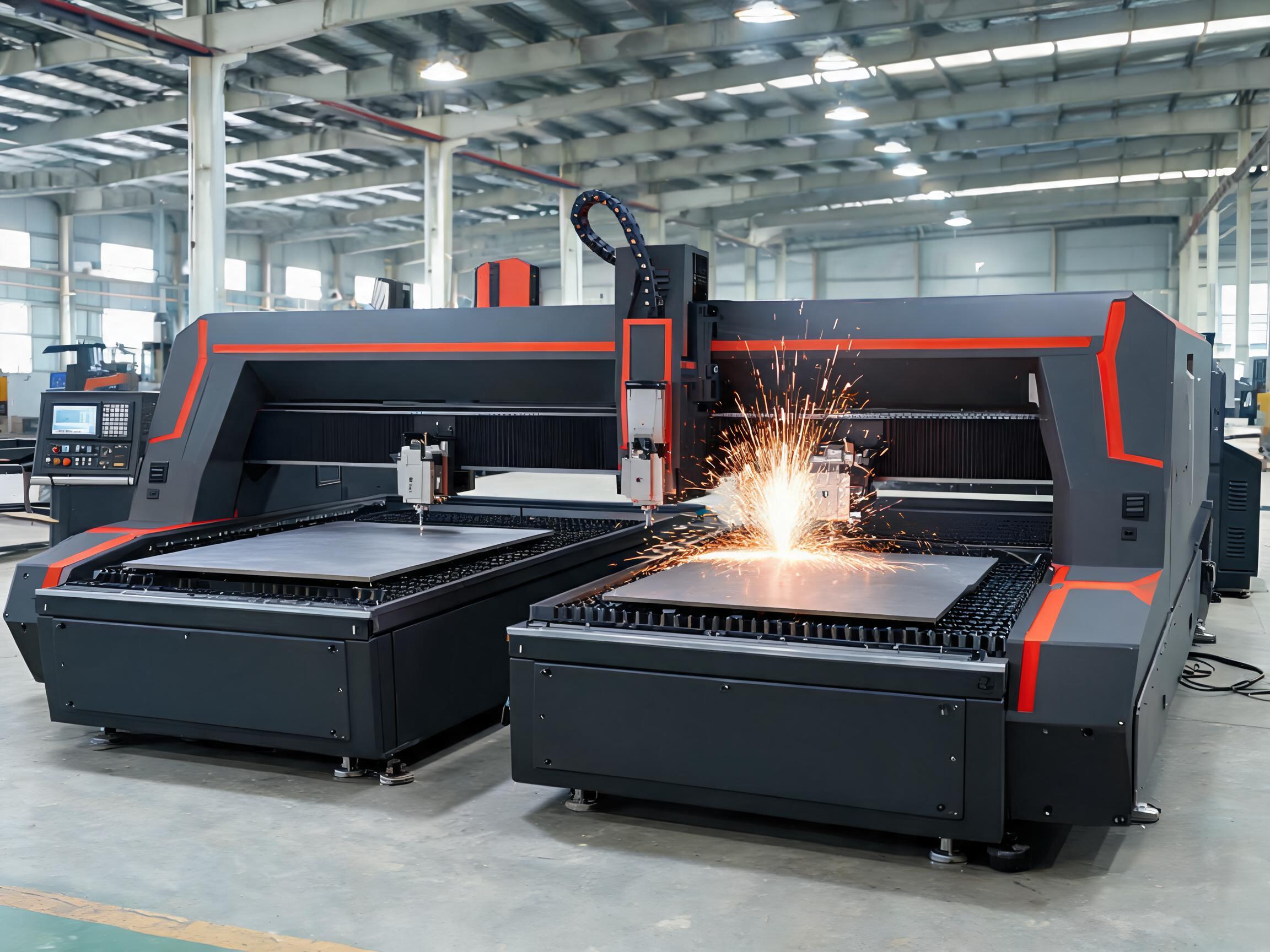
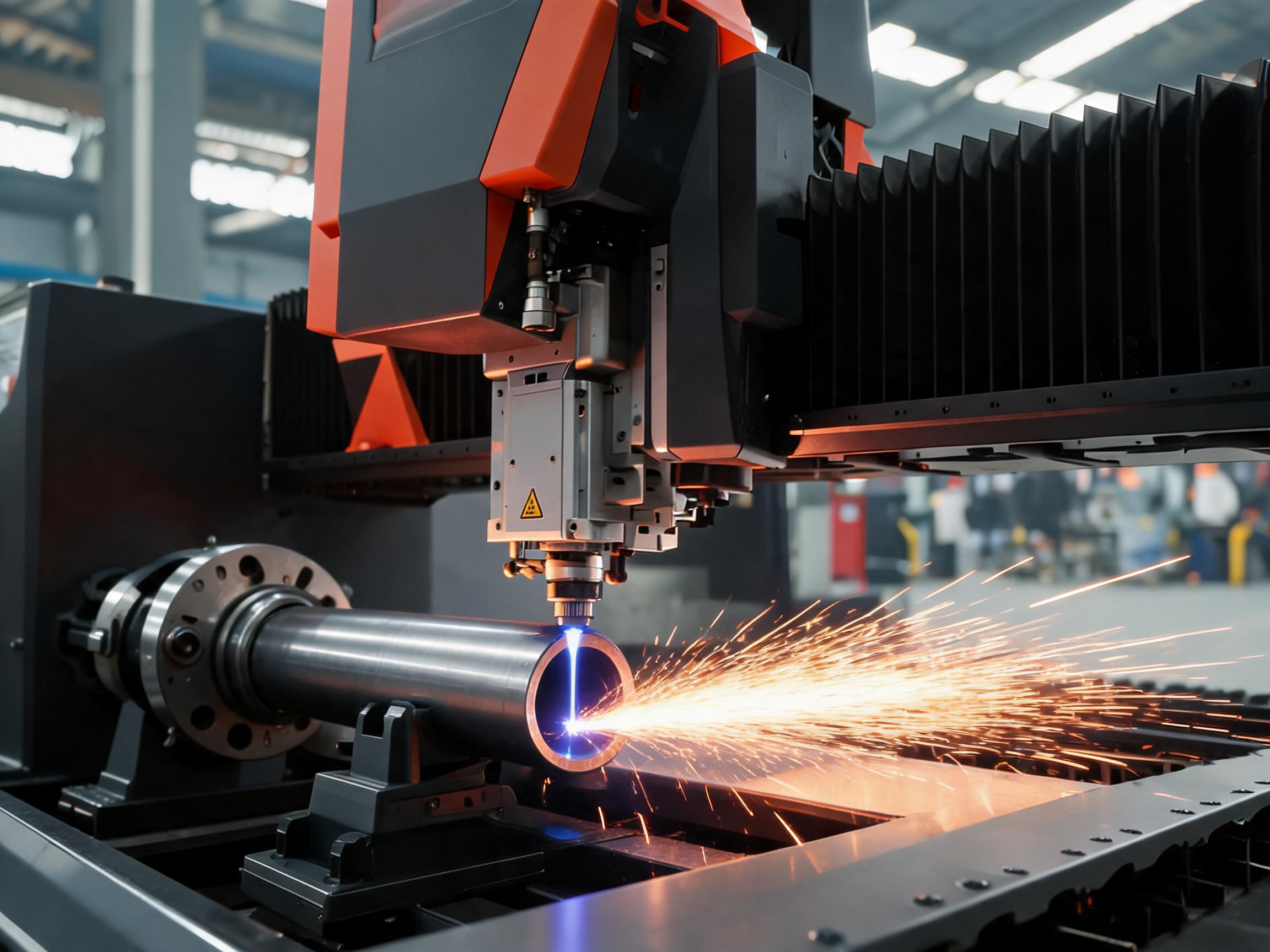
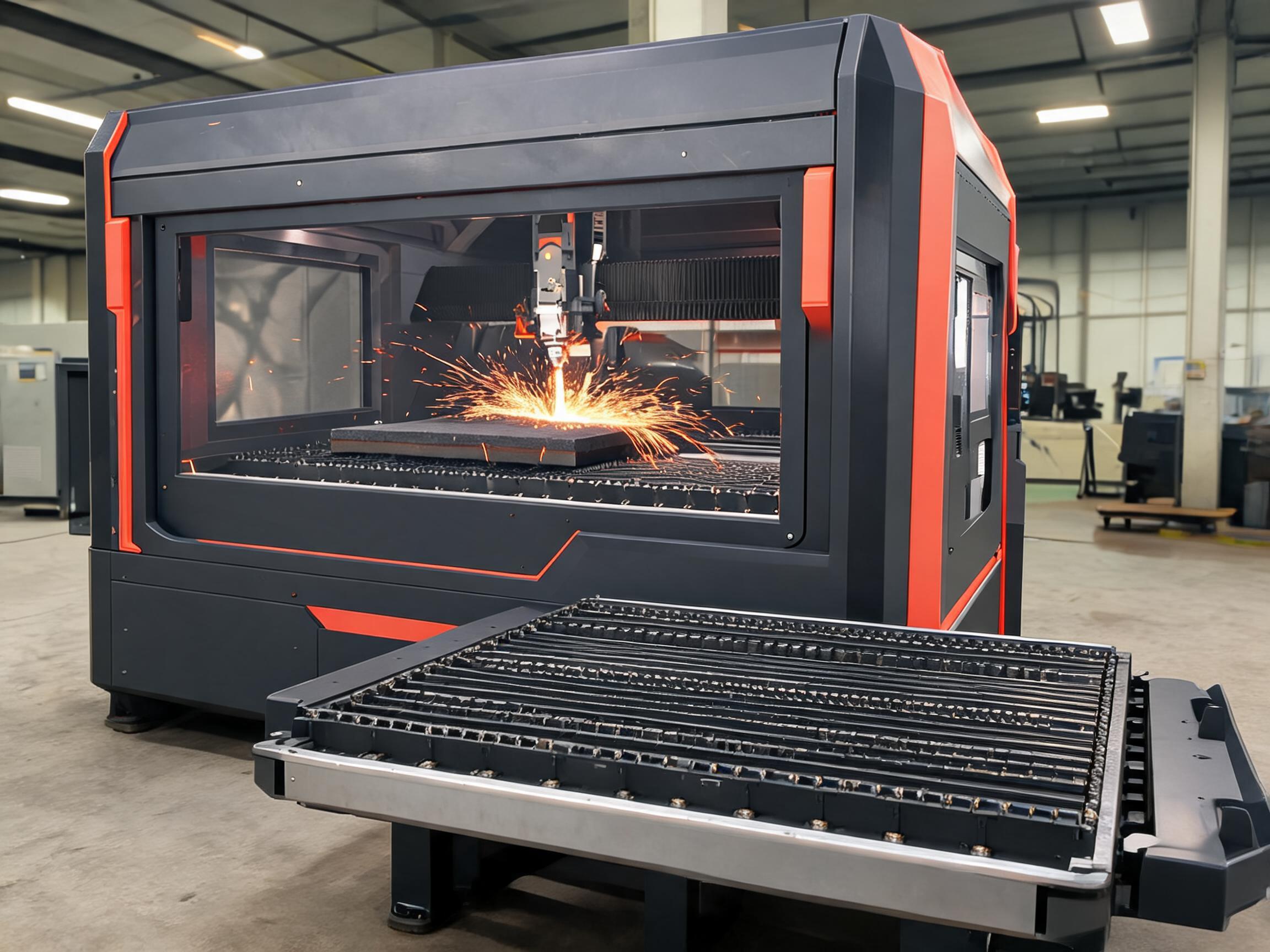
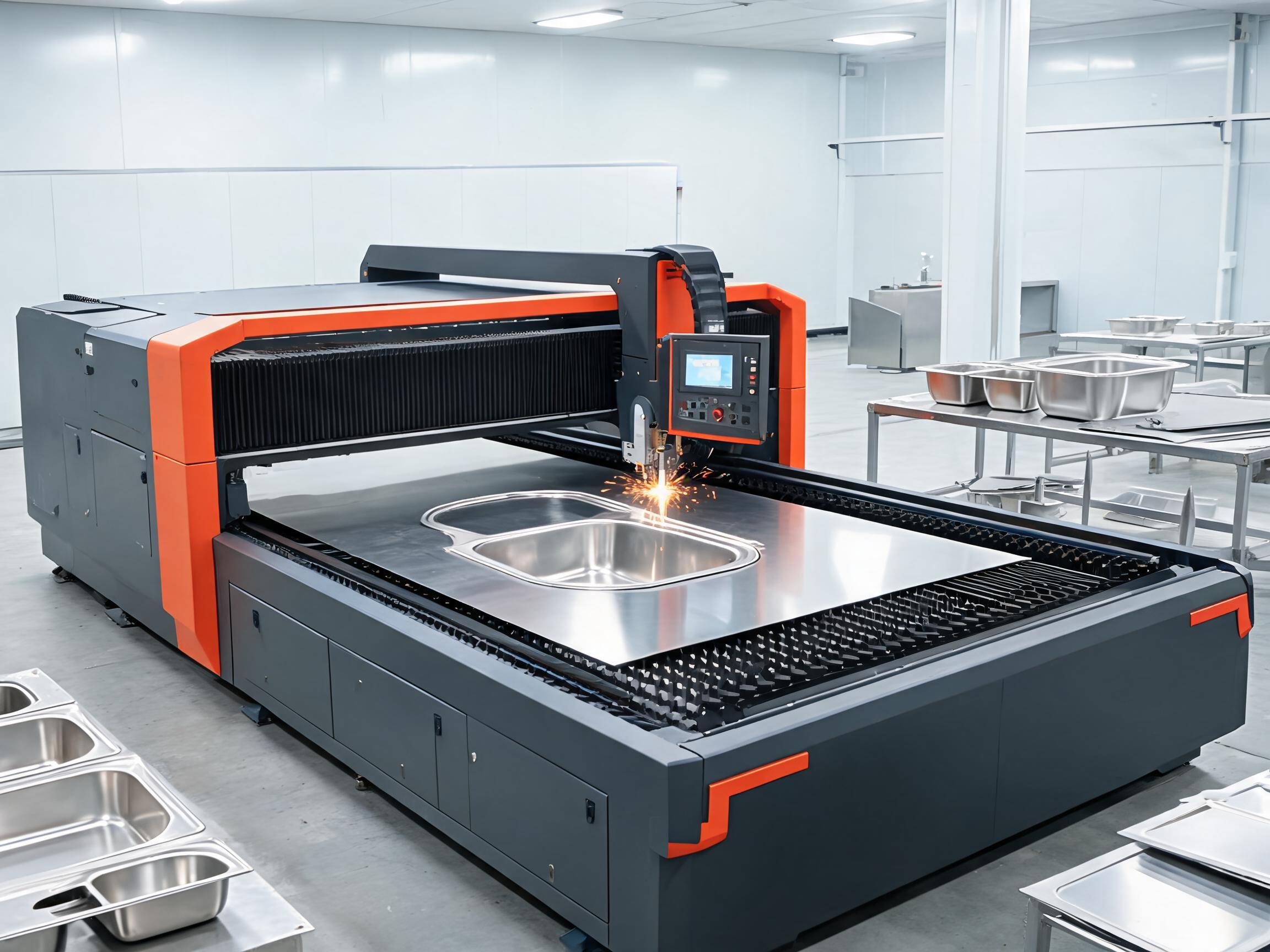
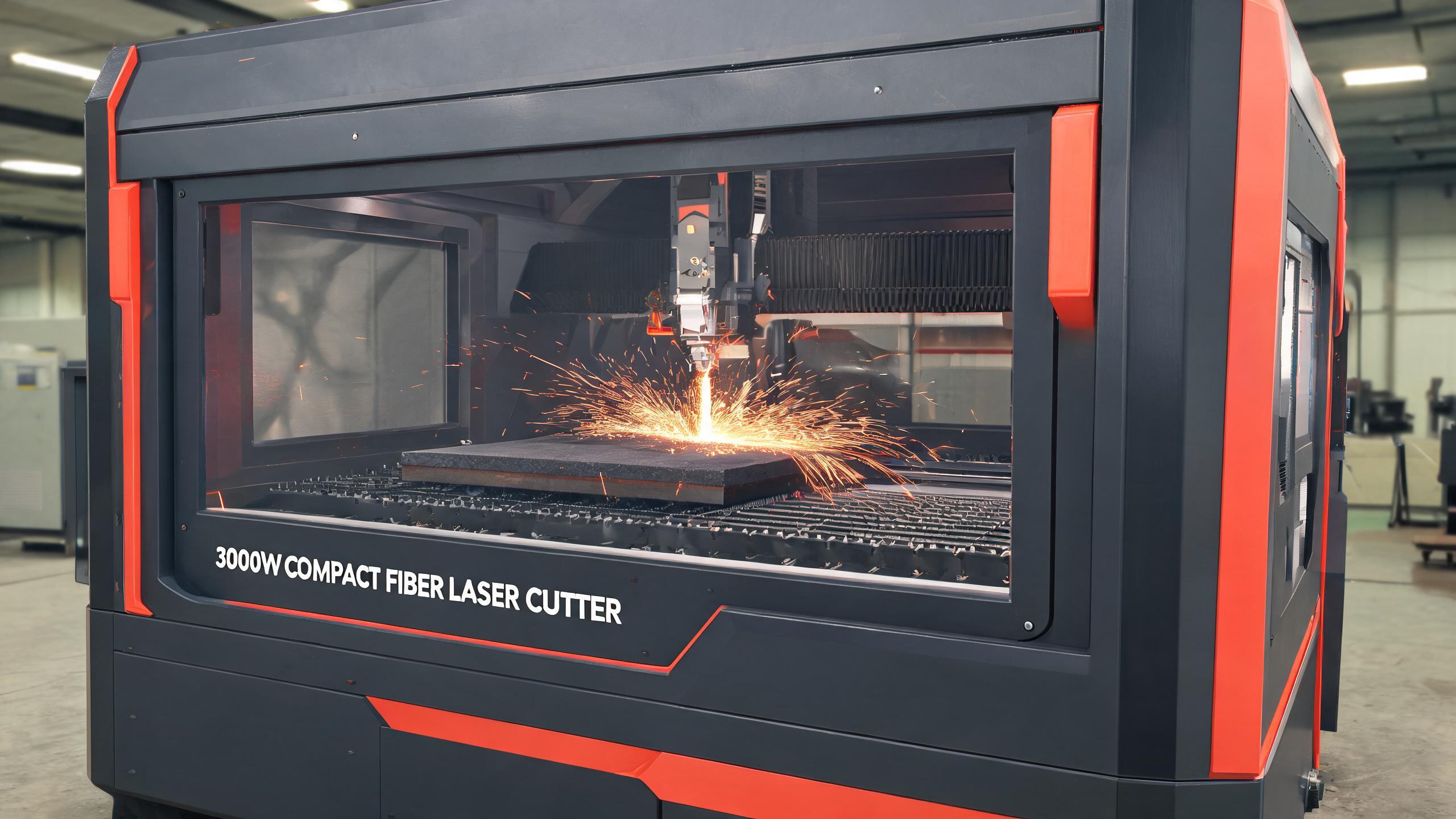
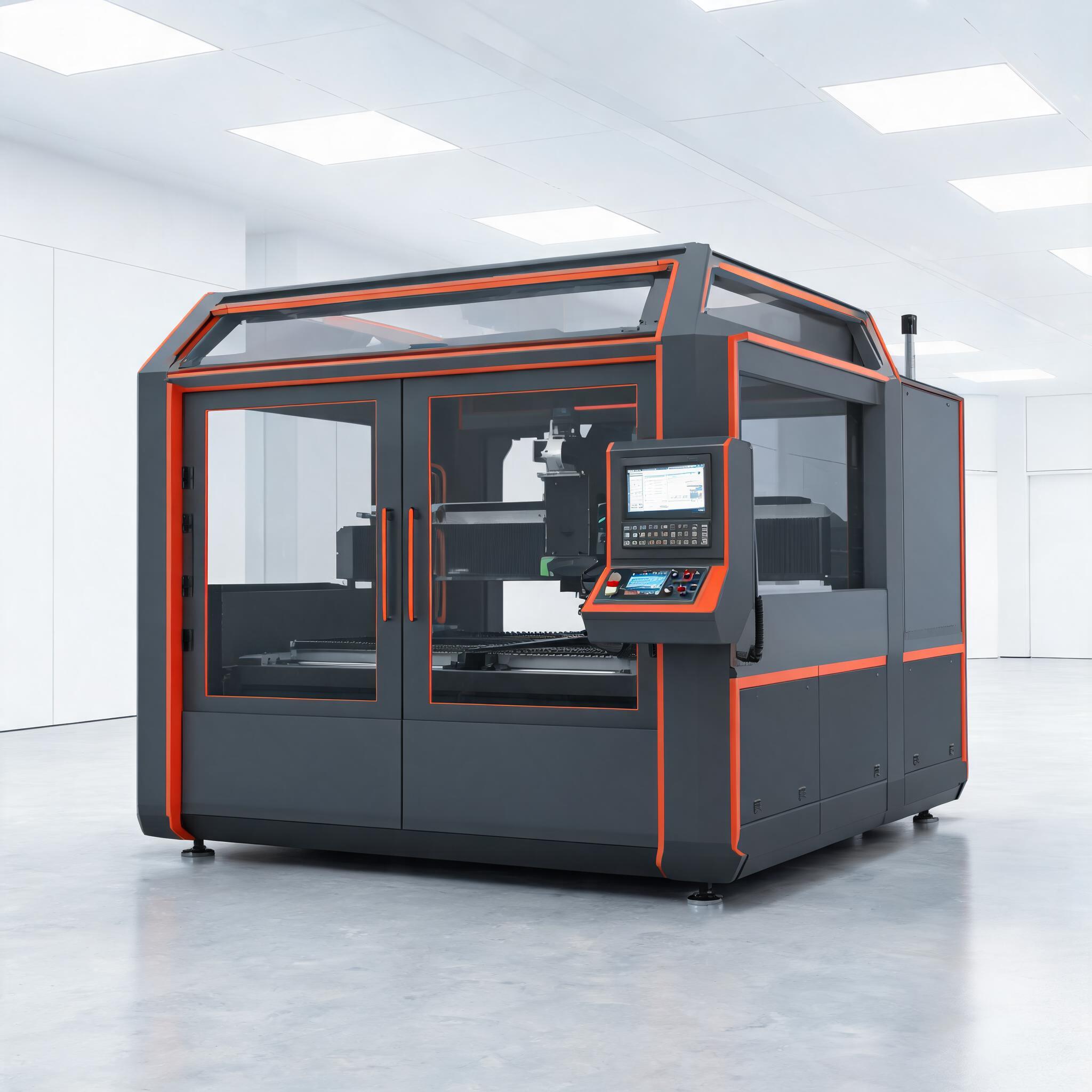
A stainless steel laser cutter is a fiber laser cutting machine optimized for cutting stainless steel sheets and plates with clean, oxide-free edges. Xinhong CNC Technology manufactures laser cutting machines specifically configured for stainless steel processing, with nitrogen assist gas systems that produce bright, clean cut edges without oxidation discoloration.
Stainless Steel Cutting Capabilities
Fiber laser cutting is ideal for stainless steel due to its high reflectivity absorption at 1070nm wavelength. Cutting capabilities by laser power:
- 2000W: SS up to 6mm, cutting speed 2-8 m/min
- 3000W: SS up to 8mm, cutting speed 3-12 m/min
- 6000W: SS up to 12mm, cutting speed 4-18 m/min
- 8000W: SS up to 16mm, cutting speed 5-22 m/min
- 12000W: SS up to 20mm, cutting speed 6-28 m/min
Why Nitrogen Assist Gas Matters for Stainless
Stainless steel cutting requires nitrogen (N2) as assist gas to prevent oxidation. Oxygen would cause exothermic reactions leading to burned edges and carbon residue. Key nitrogen parameters:
- Purity: 99.99% or higher for bright edges
- Pressure: 8-25 bar depending on thickness
- Flow rate: 200-800 L/min depending on nozzle and thickness
Using bottled or liquid nitrogen is expensive for high-volume production. Xinhong's integrated PSA nitrogen generators produce 99.99% purity nitrogen on-site at 20% of bottled gas cost.
Stainless Steel Grades and Laser Cutting
Different stainless steel grades respond differently to laser cutting:
| Grade | Cut Quality | Notes |
|---|---|---|
| 304/304L | Excellent | Most common, cuts cleanly with N2 |
| 316/316L | Excellent | Marine grade, slightly slower cutting |
| 430 | Good | Ferritic, may need parameter adjustment |
| 201 | Good | Lower cost, higher carbon content |
Cutting Edge Quality Standards
For stainless steel, edge quality is critical in applications like food equipment, medical devices and architectural components. Xinhong machines achieve edge quality standards including:
- Surface roughness Ra < 3.2μm for thickness up to 5mm
- Perpendicularity tolerance within ±0.05mm per mm thickness
- No dross or minimal dross that wipes off easily
- No oxidation discoloration when using N2 assist
- Minimal heat-affected zone (HAZ) < 0.1mm
Applications Across Industries
Stainless steel laser cutting serves diverse industries:
- Food and beverage: Equipment frames, conveyor parts, sanitary fittings
- Medical: Surgical instrument components, enclosures, brackets
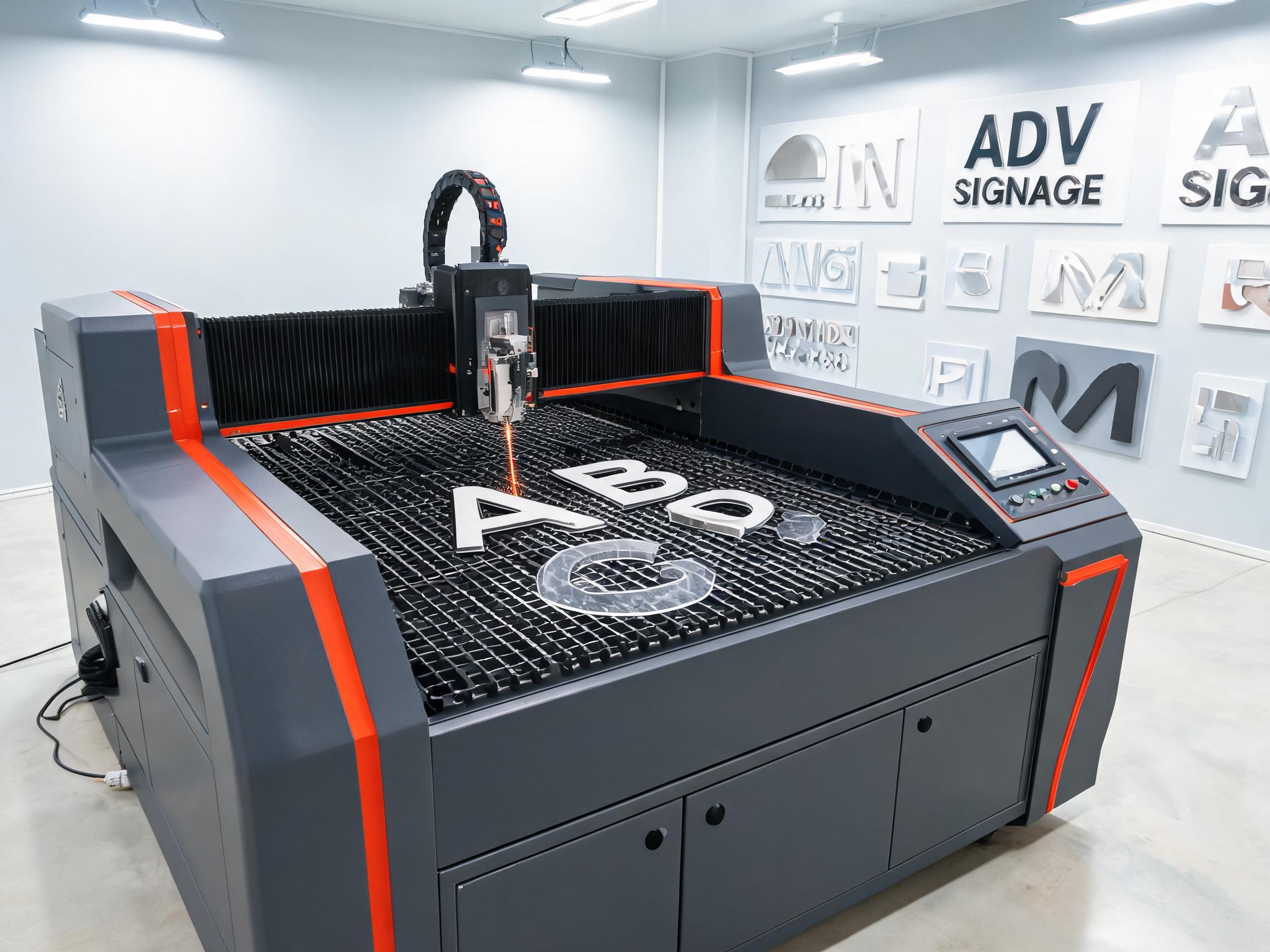
- Architectural: Decorative panels, railings, signage
- Chemical processing: Tank components, flanges, pipe fittings
- Automotive: Exhaust components, decorative trim
- Kitchen equipment: Sinks, countertops, appliance housings
Focal Position and Cutting Head Technology
Stainless steel cutting quality depends heavily on focal position accuracy. Xinhong machines use auto-focusing cutting heads with:
- Servo-driven focus adjustment with 0.01mm precision
- Capacitive height sensing for sheet flatness compensation
- Collision protection to prevent head damage
- Parameter-linked focus tracking for different thicknesses
Production Throughput Optimization
Maximizing throughput on a stainless steel laser cutter involves:
- Batch nesting to minimize travel between cuts
- Common-line cutting to reduce cutting length
- Optimized pierce times for thick materials
- Exchange tables for parallel loading
- Consistent N2 pressure to maintain cutting speed
Comparing Fiber Laser to Other Stainless Cutting Methods
| Method | Max SS Thickness | Edge Quality | Speed | Operating Cost |
|---|---|---|---|---|
| Fiber Laser | 20mm+ | Excellent | High | Medium |
| CO2 Laser | 12mm | Good | Medium | High |
| Plasma | 40mm+ | Fair | High | Low |
| Waterjet | 100mm+ | Excellent | Low | High |
Safety Considerations for Stainless Cutting
Stainless steel laser cutting generates fumes containing chromium and nickel compounds. Proper safety measures include:
- Downward ventilation cutting bed with filtration
- Dust extraction system with HEPA and metal fume filters
- Enclosed cutting area with interlocked doors
- Laser safety class 1 enclosure
- Operator PPE including laser safety glasses
Quality Control and Certification
Xinhong stainless steel laser cutting machines are manufactured under ISO 9001:2015 quality management. Each machine undergoes:
- Laser power calibration before shipment
- Cutting accuracy testing on standard test pieces
- Safety system verification including interlocks and emergency stops
- CE compliance testing and documentation
After-Sales Support Network
Xinhong provides comprehensive after-sales support including:
- Remote technical support via video and teamviewer
- On-site service within 72 hours for critical issues
- Spare parts dispatch within 24 hours from stock
- Annual maintenance contracts available
- Software updates and parameter library expansions
Frequently Asked Questions
Why does stainless steel need nitrogen instead of oxygen for cutting?
Nitrogen prevents oxidation at the cut edge, producing clean, bright surfaces. Oxygen would cause burning and leave oxide residue that compromises corrosion resistance. For food-grade and medical applications, nitrogen-cut edges are mandatory.
Can I cut both stainless and carbon steel on the same machine?
Yes, fiber laser cutting machines can switch between nitrogen (for stainless) and oxygen (for carbon steel) through the control system. Gas switching is automatic, and parameter libraries are pre-configured for each material and thickness.
What nitrogen purity is needed for bright edge stainless cutting?
99.99% purity nitrogen produces the brightest edges. Lower purity (99.5%) is acceptable for non-critical applications but may show slight discoloration on thicker materials.
How much nitrogen does a stainless steel laser cutter consume?
Consumption varies by thickness: 3mm SS uses approximately 200-400 L/min, 6mm uses 400-600 L/min, and 10mm uses 600-800 L/min at 12-20 bar pressure. A PSA generator can supply these flow rates continuously.
What is the cutting speed for stainless steel?
At 6000W: 3mm SS cuts at 12-18 m/min, 6mm at 4-8 m/min, 10mm at 2-4 m/min. Higher power machines cut faster. Speed also depends on edge quality requirements.
Do stainless steel laser cuts need secondary finishing?
With proper parameters and nitrogen assist, edges typically need no finishing. Deburring may be needed for thicker materials (>10mm). Edges meet most fabrication standards without grinding or polishing.
Can the machine handle textured or patterned stainless sheets?
Yes, but textured surfaces may require adjusted focus parameters. Capacitive height sensing compensates for surface irregularities. Pattern direction can affect cutting speed on heavily textured sheets.
What is the expected machine lifetime for stainless cutting operations?
With proper maintenance, Xinhong machines are designed for 10-15 years of production use. Laser source lifetime is typically 100,000+ hours. Regular maintenance and genuine spare parts extend machine life significantly.